Inquiry
Form loading...

What Are the 10 Best Wall Cladding Materials?

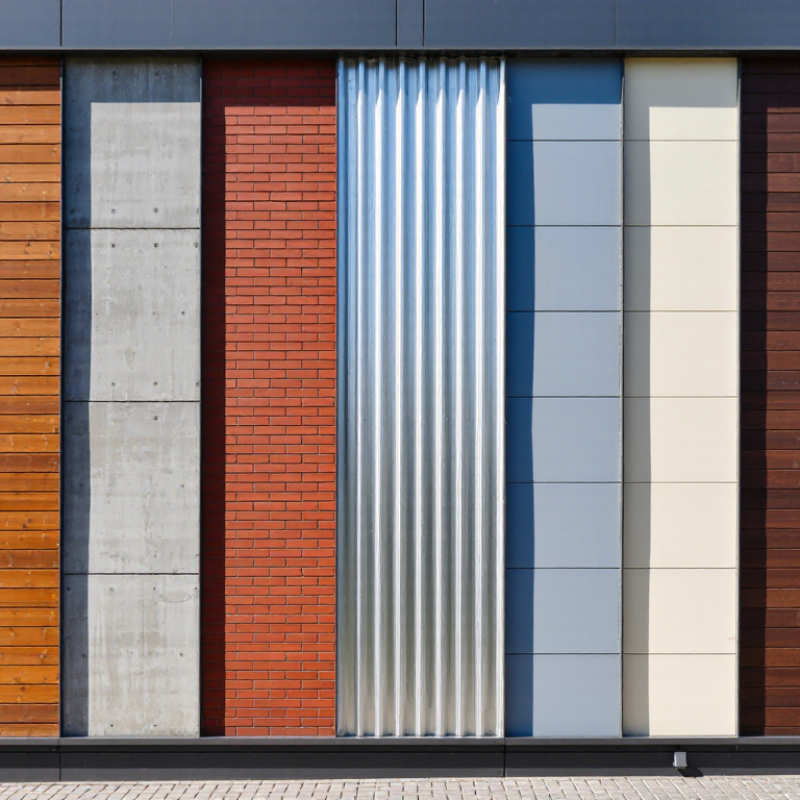
A wall is more than a boundary. It faces rain, sun, wind, and everyday wear. The right Wall Cladding can protect a building while shaping its character. Yet the best choice depends on more than appearance. Climate, structure, installation, maintenance, and budget all matter.

Architect Louis Kahn once said, “The sun never knew how great it was until it hit the side of a building.” His observation gives the exterior surface a powerful role. It also points to a practical question: how will a material perform when exposed to real conditions? A timber board may bring warmth, but it needs suitable upkeep. Stone can feel enduring, but its weight may require structural review. Metal, brick, fiber cement, vinyl, and composite products each bring different trade-offs.

No material is perfect. Even a well-designed façade can disappoint if water details or installation are overlooked. That deserves a closer look. This guide compares ten widely used wall cladding materials, focusing on appearance, durability, cost considerations, and care. It is intended to help homeowners, designers, and builders ask better questions—not replace project-specific advice. Check local product specifications and consult qualified professionals before choosing. A sample panel beside a window can reveal color shifts that a brochure misses. That small test is easy to forget. It can prevent an expensive mismatch.
What Are the 10 Best Wall Cladding Materials?

Wall Cladding Defined: Its Role in the Exterior Wall Assembly

Wall cladding is the visible outer layer of an exterior wall, but it is not the wall’s only defense. It may be made from wood, masonry, metal, fiber cement, or other materials. Cladding helps manage rain, sun, and physical wear while shaping a building’s appearance. It also works with the layers behind it, including the water-resistive barrier, sheathing, insulation, and structural framing. That distinction matters. Cladding alone should not be assumed to keep every drop of water out.

In many wall assemblies, some moisture passes behind the cladding. A drainage space and properly detailed flashing help direct that water back outside. Ventilation can also help the cavity dry, though the right design depends on the cladding and local conditions. At a window, for example, the sill flashing needs to guide water outward rather than into the wall.

Small gaps, blocked drainage paths, or poorly sealed penetrations can undermine an otherwise durable material. Details matter more than they seem. The complete assembly should account for climate, fire performance, structural loads, and expected movement. No single cladding choice solves every problem, and even a sound design can be difficult to execute perfectly on site.
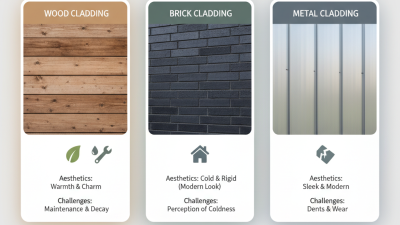
How to Compare 10 Cladding Materials: Cost, Durability, Fire, and Thermal Performance

Cladding prices vary with transport, labor, detailing, and local availability, so broad cost tiers are more useful than fixed estimates. Vinyl is often a lower-cost option, but heat can warp it and its appearance may age unevenly. Engineered wood can cost less than solid wood, yet both need moisture control and periodic maintenance. Fiber cement usually costs more to install than vinyl, but it resists rot and insects. Details matter.

Brick and natural stone tend to have high material and labor costs, while offering long service lives when properly installed. Both resist fire well, though mortar joints and the wall behind them still matter. Stucco ranges from economical to costly depending on its layers and finish; cracking can admit water. Metal panels are durable and generally noncombustible, but dents and thermal bridging deserve attention. Ceramic or porcelain cladding is tough and fire resistant, though heavy panels require careful fixing. High-pressure laminate varies by composition and fire rating, so check product-specific test data.

Thermal performance is easy to misread. Cladding alone rarely provides substantial insulation; the full wall assembly, including insulation, air gaps, and thermal bridges, matters more. Wood may slow heat flow compared with metal, but it does not replace insulation. Fire performance also depends on the complete assembly, not just the visible surface. I would not rank these materials with one universal score: installation quality can change the outcome, and that makes comparisons imperfect.

The 10 Best Wall Cladding Materials: Key Uses and Performance Trade-Offs

Wall cladding is a weather screen, not a substitute for insulation or careful detailing. The 2024 Global Status Report from UNEP and GlobalABC attributes 34% of global energy demand and 37% of energy- and process-related carbon dioxide emissions to buildings and construction in 2022. ENERGY STAR estimates that air sealing and insulation can reduce average home heating and cooling costs by about 15%; cladding helps most when the wall assembly is designed as a whole. Details matter.

Brick and natural stone offer durable, impact-resistant finishes, but both add weight; stone also raises anchoring and cost demands. Fiber cement resists moisture and fire well, though cut edges need protection. Wood and engineered wood bring warmth and lower weight, but require attention to moisture, movement, and maintenance. Metal suits lightweight rainscreen systems, yet can dent and conduct heat across poorly detailed connections.

Vinyl is economical and low-maintenance, but has limits around impact resistance and heat exposure. Stucco creates a continuous finish, though cracks can admit water. Terracotta performs well in ventilated façades, with more demanding support systems. Glass brings daylight, but can increase glare, solar heat gain, and cleaning needs. No universal winner. I would compare project-specific environmental product declarations and maintenance plans before ranking these materials; that comparison is easy to overlook.

What Are the 10 Best Wall Cladding Materials? — The 10 Best Wall Cladding Materials: Key Uses and Performance Trade-Offs
Material Common Uses Durability Moisture Performance Fire Performance Maintenance Relative Installed Cost Key Trade-Off
Brick veneer Residential façades, institutional buildings, and traditional or contemporary exterior walls Very high; masonry units can last for decades when properly installed Durable, but the wall assembly needs drainage, flashing, and weep openings to manage water behind the veneer Noncombustible masonry provides strong fire resistance Low; occasional joint inspection and repointing may be needed High Long service life and low upkeep, but relatively heavy and labor-intensive to install
Natural stone Feature walls, premium façades, civic buildings, and landscape-facing elevations Very high; performance depends on stone type, anchoring, and exposure Generally strong, though some stones absorb water and may require suitable detailing or sealing Most natural stone is noncombustible Low to moderate; cleaning and periodic checks of joints and anchors are advisable Very high Distinctive appearance and longevity, offset by weight, cost, and specialized installation
Fiber-cement panels or lap siding Houses, multifamily buildings, and light-commercial façades High; resists rot and insect damage, though impact resistance varies by product Good when joints, edges, clearances, and the drainage plane are properly detailed Generally offers good fire resistance; confirm the tested rating of the specific product and assembly Low to moderate; painted finishes may need recoating over time Moderate Balances durability and cost, but is heavy and can be damaged by improper cutting or handling
Metal panels Commercial façades, industrial buildings, rainscreen systems, and modern residential exteriors High; lifespan depends on metal type, coating, fasteners, and exposure Panels shed rain effectively, but seams, penetrations, and drainage details are critical Metal itself is generally noncombustible; insulated panel cores and the full assembly require separate fire review Low to moderate; inspect coatings, fasteners, and areas exposed to corrosion Moderate to high Lightweight and quick to install, but panels can dent and may expand, contract, or corrode if poorly specified
Wood siding Homes, cabins, renovations, and façades seeking a natural appearance Moderate to high with suitable species, detailing, and maintenance Requires protection from prolonged wetting; drainage, ventilation, and ground clearance matter Combustible; fire requirements and permitted treatments vary by location and assembly Moderate to high; paint or stain may need periodic renewal Moderate Warm appearance and repairability, but upkeep and moisture management are more demanding
Vinyl siding Cost-conscious residential construction and remodeling Moderate; does not rot, but can crack, fade, or deform under impact or high heat Panels shed water, but the wall behind them still needs a properly detailed water-resistive barrier Combustible and can soften or deform in heat; check local code requirements Low; typically needs washing and occasional replacement of damaged sections Low Affordable and low-maintenance, but less impact-resistant and less heat-tolerant than many alternatives
Stucco Residential and commercial façades, especially in dry or moderate climates High when correctly installed; cracking can allow water entry if not repaired Needs appropriate drainage, flashing, and control joints; drying potential is important in wet climates Mineral-based stucco is generally noncombustible Low to moderate; inspect for cracks and repair damaged areas Moderate Creates a seamless finish, but workmanship and moisture detailing strongly affect performance
Exterior-grade high-pressure laminate (HPL) panels Commercial buildings, ventilated façades, and projects needing a broad range of colors or patterns High when panels are correctly specified and installed; edge and fixing details matter Suitable for rainscreen use when designed with drainage and ventilation behind the panels Varies by panel construction and rating; verify the product and complete façade assembly Low; routine cleaning and inspection of fixings are typical Moderate to high Offers consistent finishes and design flexibility, but fire classification and system detailing need careful review
Terracotta panels Architectural façades, institutional buildings, and ventilated rainscreen systems High; fired clay is stable, though panels and fixings must be protected from impact and movement Panels tolerate weather well; cavity drainage and secure attachment remain essential Fired terracotta is noncombustible Low; periodic checks of joints and support systems are recommended High Durable, color-stable, and well suited to rainscreens, but heavier and more specialized than basic siding
Glass curtain wall Offices, mixed-use buildings, storefronts, and façades designed for daylight and views High when engineered for wind loads and maintained; glass and seals may need eventual replacement Relies on carefully designed seals, pressure management, drainage paths, and installation quality Glass is noncombustible, but fire performance depends on the complete system and perimeter fire-stopping Moderate to high; cleaning, seal inspection, and hardware maintenance may be required Very high Maximizes daylight and transparency, but costs more and can increase glare, heat gain, and energy demands
Note: Cost and performance are relative, not universal. Actual results depend on local labor and material prices, climate, product specifications, installation quality, wall assembly, and applicable building codes. “Best” depends on project priorities such as budget, appearance, fire requirements, maintenance, and energy performance.

Fire-Rating Benchmark: ASTM E84 Class A Means FSI 0–25 and SDI 0–450

Among the 10 best wall cladding materials, fire performance should be checked alongside durability, moisture control, and installation details. ASTM E84 Class A sets a flame-spread index (FSI) of 0–25 and a smoke-developed index (SDI) of 0–450. These thresholds are reflected in the International Code Council’s 2024 International Building Code. FSI and SDI are test results, not a ranking of total fire safety. That distinction matters.

ASTM E84 evaluates surface-burning behavior under controlled conditions. It does not establish how an entire wall assembly will perform in a real fire. A metal panel, fiber-cement board, stone veneer, or wood product may have different results depending on its finish, substrate, and installation. For some exterior wall assemblies, code requirements may also call for NFPA 285 testing. Check the exact product documentation and local code before specifying materials. A Class A label alone is not enough.

Tips: Ask for the tested assembly details, not just a sales sheet. Confirm that the report covers the same thickness, coating, and backing you plan to use. Small substitutions can matter. It is easy to overread one number. Use a qualified building professional to verify the full wall design.

Installation and Code Checks: NFPA 285 Tests the Fire Performance of Wall Assemblies

When comparing wall cladding materials, fire behavior depends on the complete wall, not just the visible finish. NFPA 285 evaluates vertical and lateral flame spread across a representative exterior wall assembly under a defined fire exposure. It is a test method, not a simple material rating. That distinction matters. A panel that performs well alone may behave differently over foam insulation, a drained cavity, or a combustible weather barrier.

Project teams should verify whether the locally adopted building code requires NFPA 285 for the proposed wall design. Requirements can depend on building height, occupancy, construction type, and materials. Compare the tested assembly with the project drawings: cladding thickness, insulation, membranes, cavity depth, sheathing, fasteners, and joints all count. Small changes matter. A seemingly minor substitution may fall outside the tested configuration. Request the test report or, where permitted, an accepted engineering evaluation before procurement.

Coordinate the architect, fire-protection consultant, and code official, and document each layer and interface. Do not treat an NFPA 285 pass as a guarantee against every fire scenario; it indicates performance under specified test conditions. The details can be messy. Experienced teams may discover late that a sealant or cavity detail differs from the tested assembly. Photograph field conditions before concealment.

10 Wall Cladding Materials: Representative Material Density

Approximate bulk density in kg/m³. Values vary by product, formulation, and moisture content; density alone does not indicate cladding quality or installed system weight.

Code check: NFPA 285 evaluates fire propagation in an exterior wall assembly, not a cladding material in isolation. Confirm whether the specific wall design requires testing under the applicable code and jurisdiction.