The choice of the right WPC Foam Board can significantly impact construction and design projects. With increasing demand globally, buyers often feel overwhelmed. Understanding key factors will help you navigate the market.
WPC Foam Boards offer durability and versatility. They are lightweight yet strong, making them ideal for various applications. From signage to marine construction, their use is expanding. However, not all WPC Foam Boards are created equal. Variation in quality exists. Buyers must assess specifications, including density and water resistance.
In 2026, the landscape of WPC Foam Boards will evolve further. Innovations in technology will enhance performance and sustainability. Yet, it is crucial to remain critical. The best board for one project may not suit another. Always reflect on your specific needs before making a choice.
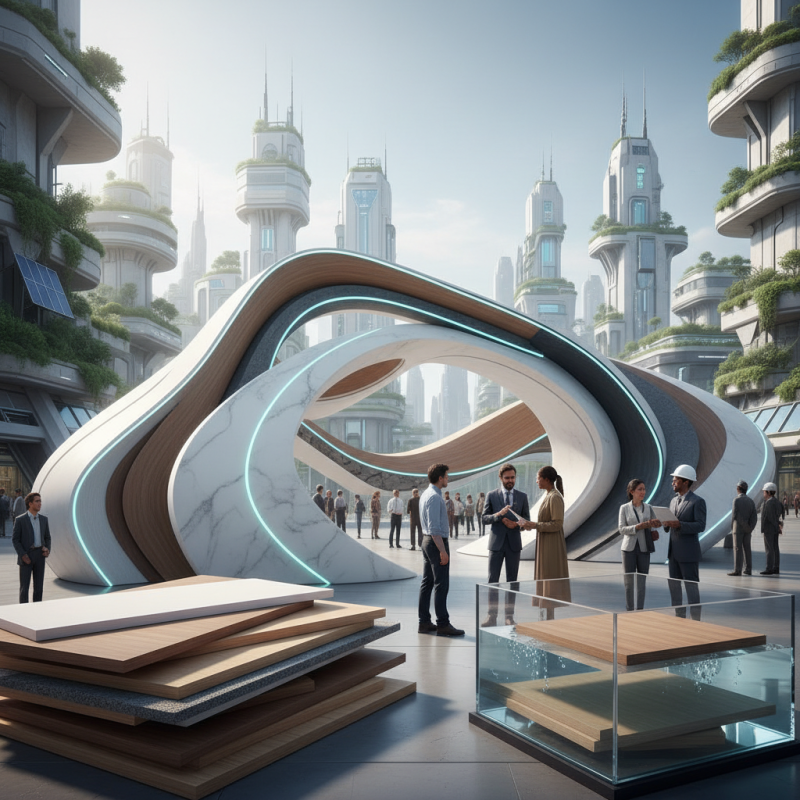
WPC foam boards are evolving materials made from wood plastic composite. They are known for their durability and versatility in various applications. Architects and builders favor these boards for both indoor and outdoor projects. Their lightweight nature makes them easy to handle and install.
These boards are commonly used in signage, packaging, and construction. The water-resistant properties enhance their appeal for outdoor use. However, there are concerns about their environmental impact. Although they are more sustainable than traditional materials, recycling remains a challenge. It’s essential to explore all aspects when choosing WPC foam boards for specific needs.
Understanding the applications of WPC foam boards requires attention to detail. Factors like weather resistance and lifespan influence decision-making. Innovations are ongoing, but the quality can vary significantly. Buyers should conduct thorough research to find reliable suppliers. Balancing performance and sustainability is key to making informed choices.
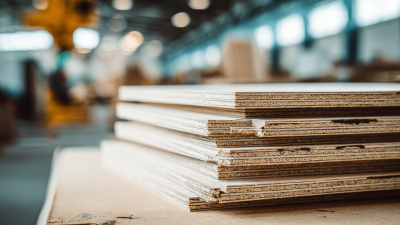
When selecting WPC foam boards, certain key features are crucial. Understanding the material's durability is essential. High-quality boards resist moisture, rot, and insects. They can weather extreme conditions, making them ideal for outdoor applications. This resilience ensures longevity, allowing users to invest wisely.
Another vital aspect is weight. Lighter boards are easier to handle during installation. They reduce labor costs and simplify transportation. Yet, lighter doesn’t always mean weaker. Balance is key. Look for boards that offer both lightweight options and robust strength.
Finally, consider the board's thickness. Thicker boards often provide better insulation and structural integrity. However, they can also be more challenging to work with. Finding the right thickness is often a matter of purpose. Reflecting on these elements is necessary for making informed choices. Each feature plays a role in your project's success. Choosing wisely means taking the time to evaluate and compare options.
In 2026, the demand for WPC foam boards is expected to grow. These boards are versatile and suitable for various applications, including construction and furniture. Identifying top manufacturers can help in making informed choices. When looking for reliability, consider companies with years of experience and positive feedback.
One of the best tips for selecting WPC foam boards is to research the materials used. Quality materials contribute to durability and performance. Not all products are created equal. Finding a manufacturer that shares transparency about their sourcing is crucial.
Don’t overlook the importance of sustainability. Many buyers are now prioritizing eco-friendly materials. Verify that the manufacturers practice responsible harvesting and production. This not only affects your choice but reflects on your brand's reputation too. Regularly reviewing your options can lead to better purchasing decisions down the line.
When comparing WPC foam boards to traditional materials, several factors come into play. WPC foam boards are lightweight and often more durable than wood or plastic. They resist moisture, making them suitable for various environments. However, the production process may not be as established as that for traditional materials. This can lead to inconsistencies in quality.
Traditional materials, like plywood and PVC, have a long history. They are trusted by professionals and widely available. Yet, these materials can warp or degrade over time. WPC foam boards avoid such issues but may not match the rigidity of wood in specific applications. Users should consider this when selecting material for a project.
Cost is another area where these materials differ. WPC foam boards may offer a competitive price point, yet there are instances of higher costs due to varying production techniques. It’s essential for buyers to evaluate the long-term benefits of each type. A well-informed decision will lead to better results, but gaps in understanding still exist among buyers.
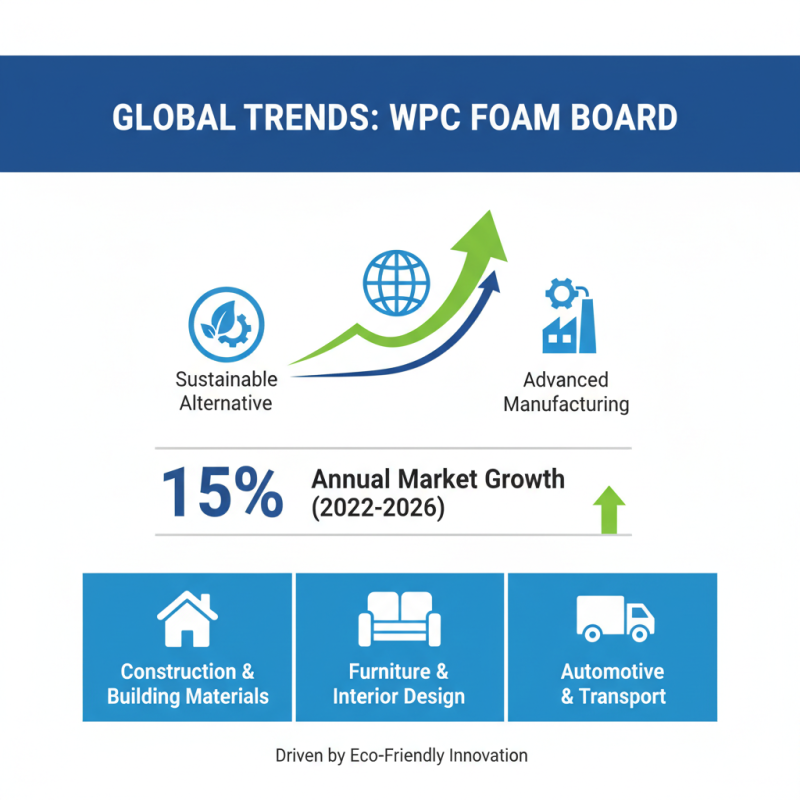
The demand for WPC foam boards is witnessing an upward trend across various industries. Recent market analysis reveals that the global WPC market is expected to grow by approximately 15% annually through 2026. This growth is driven by advancements in manufacturing technology and increasing environmental concerns. WPC foam boards, made from wood and plastic composites, offer a sustainable alternative to traditional materials.
A report from Grand View Research indicates that construction and automotive sectors are the largest consumers of WPC foam boards. These materials provide lightweight, durable solutions for a variety of applications, including insulation and structural support. The usage of WPC foam boards in building projects contributes to energy efficiency, attracting environmentally conscious builders and designers.
Challenges exist, however. Some industry experts highlight that the initial cost of WPC foam boards can be a barrier. Although they offer long-term savings, shorter-term financial considerations may deter buyers. Additionally, market penetration varies by region, with some areas lagging in awareness and adoption. Continued education and promotion are vital for overcoming these hurdles.