2026 Top Wpc Wall Panel Trends for Global Buyers?
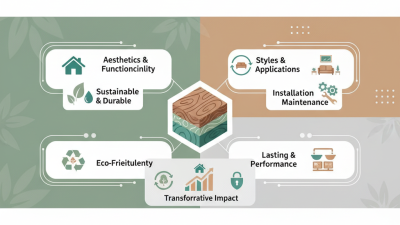
The demand for WPC wall panels is on the rise, reflecting a growing interest in sustainable building materials. According to a recent report by MarketsandMarkets, the WPC market is projected to reach over $12.5 billion by 2026, with significant growth driven by the construction and interior design sectors. This trend highlights the shift towards eco-friendly products that combine durability with aesthetic appeal.
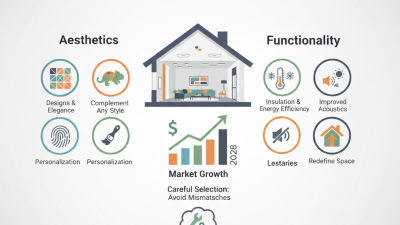
WPC wall panels offer excellent thermal insulation, moisture resistance, and low maintenance requirements. These features make them ideal for both residential and commercial applications. Industry insights also point towards increasing customization options, allowing buyers to select finishes and styles that best suit their projects. However, the market is not without challenges. Competition among manufacturers can lead to quality inconsistencies.
Global buyers should approach the selection of WPC wall panels thoughtfully. Understanding the various options available is crucial in making informed decisions. With the right knowledge, businesses can leverage the benefits of WPC wall panels while navigating potential pitfalls. Adapting to market trends will help in maximizing value and ensuring long-term satisfaction.
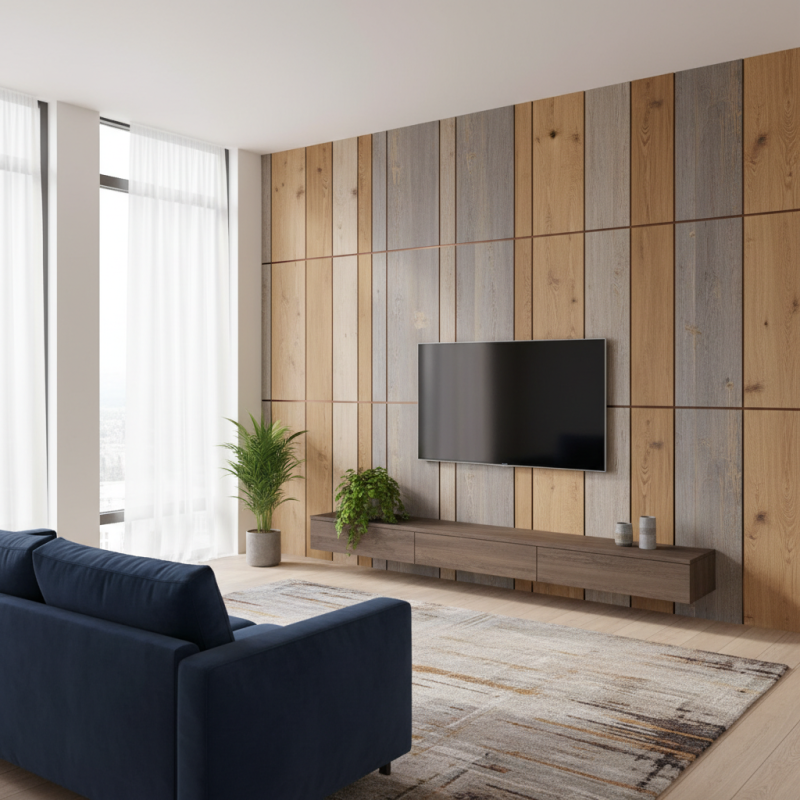
Emerging Materials and Technologies in WPC Wall Panels
The WPC wall panel market is evolving rapidly. Emerging materials are reshaping this industry. The integration of recycled plastics and natural fibers is a notable trend. These materials improve durability while reducing environmental impact. Consumers are more eco-conscious than ever. They prefer products that align with sustainability.
New technologies in manufacturing are also crucial. 3D printing offers unique design possibilities. It allows for customization in textures and colors. This innovation makes wall panels more appealing. Smart technologies are entering the market too. For instance, some panels now feature integrated lighting or insulation. Such advancements enhance functionality and aesthetics.
Despite these trends, challenges exist. The initial costs of advanced materials can be high. Not all manufacturers have the expertise to implement new technologies. Quality can vary widely. Buyers need to research manufacturers carefully. Ensuring reliable sources is essential for success in this evolving market.
2026 Top WPC Wall Panel Trends for Global Buyers
| Trend |
Material Type |
Color Options |
Applications |
Sustainability Rating |
| Natural Aesthetics |
Recycled WPC |
Brown, Green, Beige |
Residential, Commercial |
High |
| Smart Integration |
Composite WPC with Tech |
Grey, Black, White |
Modern Homes, Offices |
Medium |
| Lightweight Panels |
Foam Filled WPC |
Pastels, Bright Colors |
Interior Design, DIY |
High |
| Eco-friendly Innovations |
Biodegradable WPC |
Earth Tones |
Outdoor Spaces, Gardens |
Very High |
| Textured Finishes |
Textured WPC |
Various Custom Colors |
Commercial Interiors, Feature Walls |
Medium |
Sustainability Trends in WPC Wall Panel Production for 2026
As we approach 2026, sustainability remains at the forefront of WPC wall panel production. The industry is increasingly focused on bio-based materials. Recycled plastics are becoming a significant component. This trend reflects a growing demand from consumers for eco-friendly options.
Modern consumers prefer products that minimize environmental impact. Sustainable sourcing of raw materials is crucial. Manufacturers are exploring local sources to reduce carbon footprints. However, challenges remain in balancing cost and sustainability. Some companies struggle with supply chain complexities while trying to remain environmentally responsible.
Innovative production methods are also gaining traction. For instance, 3D printing technology allows for more efficient use of materials. This method can waste less and streamline production processes. Yet, not all manufacturers can adopt these technologies readily. The transition can be slow and requires investment. Thus, the industry still has a long way to go in achieving widespread sustainability.
Design Innovations Shaping the Aesthetic Appeal of WPC Wall Panels
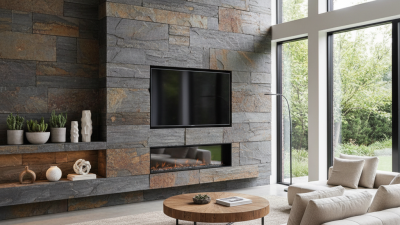
In 2026, WPC wall panels are set to evolve with innovative designs. These panels combine wood and plastic, offering durability and aesthetic flexibility. The trends are steering toward natural textures and vibrant colors. Increased urbanization is pushing buyers to seek efficient solutions that also appeal to the eye.
Innovators are experimenting with varied surface finishes. Some designs mimic the look of traditional wood grains, while others feature bold patterns for a modern twist. A unique aspect of these panels is their sustainable manufacturing process. This attracts environmentally conscious consumers looking for stylish yet responsible choices.
Tips for selecting WPC wall panels include considering the environment where they will be installed. High-moisture areas might require specific finishes for durability. Pay attention to the panel thickness; thicker panels generally offer better insulation and soundproofing. It’s worth reflecting on your choice—do aesthetics outweigh function? Both aspects should harmonize to create a pleasing and practical space.
Market Insights: Consumer Preferences for WPC Wall Panels Globally
In 2026, the trends in WPC wall panels are set to capture global attention. Consumers are leaning towards sustainable materials. This shift is evident in the growing popularity of wood-plastic composites for their eco-friendly features. People appreciate products that minimize environmental impact while maintaining durability.
Aesthetic preferences are also evolving. Modern buyers favor natural textures and earthy colors, reflecting a desire for home environments that feel organic. Consumers are sharing their experiences through social media, influencing trends rapidly. Images of beautifully designed spaces inspire others to consider WPC panels in renovation projects. Interaction drives demand, yet some choices may fall short of expectations.
Quality remains a concern. Customers want assurance that their investments are worthwhile. There are still inconsistencies in product performance across different markets. Researching specifications and reading reviews helps buyers navigate these challenges. Keeping informed aids in making better purchase decisions. Engaging with experts in the field offers valuable insights, ensuring consumers choose wisely in the dynamic landscape of WPC wall panels.
Key Manufacturers and Competitive Landscape in the WPC Industry
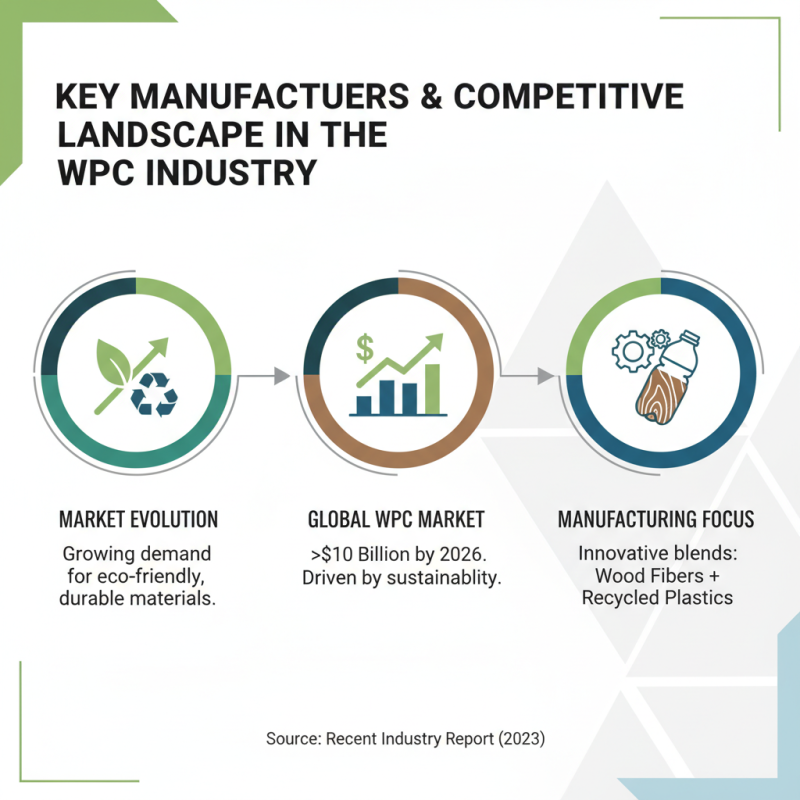
The WPC (Wood-Plastic Composite) market is evolving rapidly, reflecting changes in consumer preferences and sustainability trends. According to a recent report, the global WPC market is expected to surpass $10 billion by 2026, driven by increasing demand for environmentally friendly products. Key manufacturers are focusing on innovative materials that blend wood fibers with recycled plastics. This strategy not only meets sustainable standards but also enhances product durability.
Understanding the competitive landscape is essential. Major players are investing in research and development to create lighter, stronger panels. Emerging manufacturers are introducing unique designs to capture niche markets. However, challenges persist. Supply chain disruptions and fluctuating raw material prices often impact production costs. Furthermore, not all new players adopt sustainable practices, raising concerns among environmentally conscious buyers.
Market share varies significantly among regions. North America holds a substantial portion, driven by adoption in construction applications. Meanwhile, Asia-Pacific is witnessing rapid growth due to urbanization and modernization. Buyers need to evaluate both product quality and ethical practices when selecting WPC suppliers. Overall, the landscape is dynamic, with opportunities for innovation and areas requiring critical evaluation regarding sustainability and ethical sourcing.