China Top Bamboo Charcoal Wood Veneer Benefits and Applications?
Bamboo Charcoal Wood Veneer is gaining significant traction in the interior design and construction industries. The global wood veneer market was valued at approximately $7.79 billion in 2020, with projections showing steady growth. Bamboo charcoal, known for its sustainability and unique properties, plays a crucial role in this market. Its lightweight and resilient nature makes it an ideal material for various applications, from furniture to wall paneling.
Recent studies reveal that bamboo charcoal possesses excellent moisture-wicking properties. This quality enhances air quality and thermal regulation in indoor environments. A report by Grand View Research notes that green building materials, including bamboo products, are increasingly preferred. These materials not only meet aesthetic needs but also contribute to energy efficiency.
However, despite these advantages, not all bamboo charcoal wood veneer products meet sustainability standards. Consumers must consider sourcing practices when choosing products. Transparency in production can ensure that bamboo is harvested responsibly. Understanding these complexities is essential for making informed decisions in an evolving market.
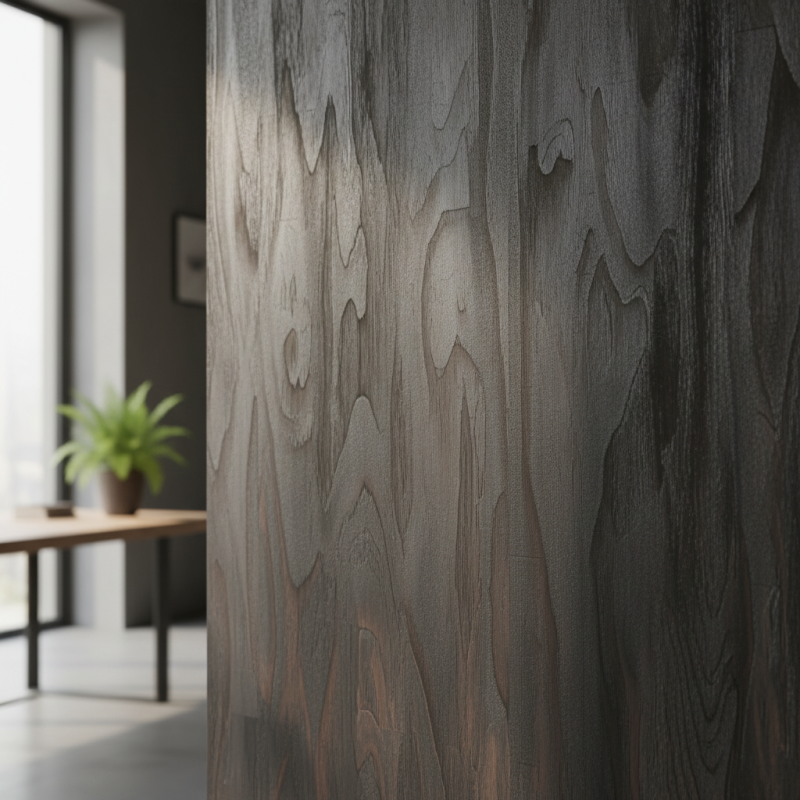
Overview of Bamboo Charcoal Wood Veneer
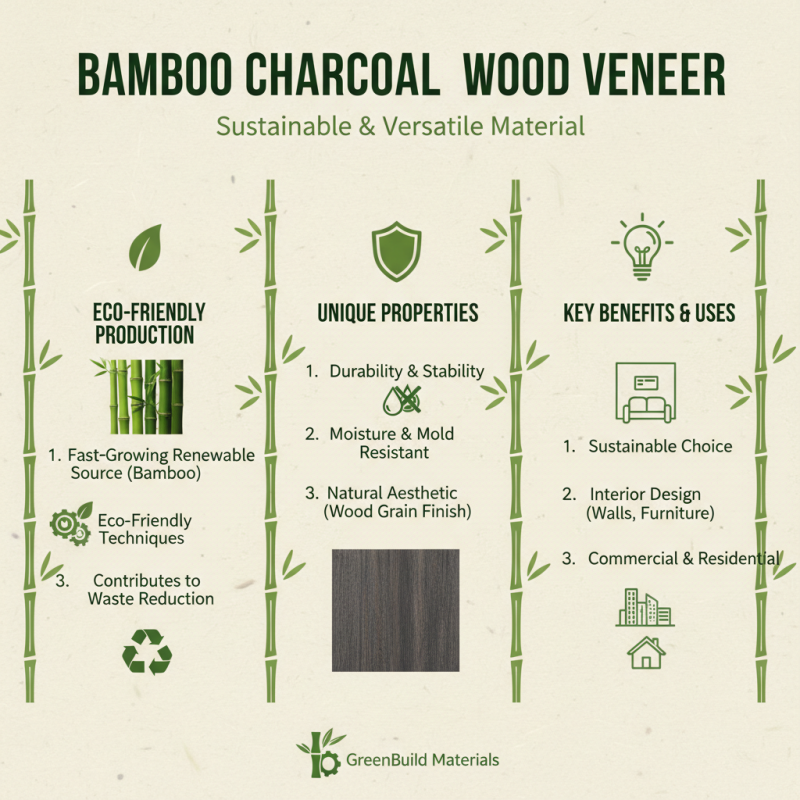
Bamboo charcoal wood veneer is gaining attention for its unique properties and sustainable benefits. This material is created from fast-growing bamboo, a renewable resource. The production process not only uses eco-friendly techniques but also contributes to reducing waste. The result is a versatile veneer that combines aesthetics with functionality.
The benefits of bamboo charcoal wood veneer are numerous. It has natural antibacterial properties that can enhance indoor air quality. This makes it an excellent choice for furniture and interior design. Additionally, the material is lightweight yet durable, providing both beauty and strength. Its unique texture and finish give it a distinct appearance, making it desirable for various applications.
While the advantages are significant, challenges exist. Sourcing high-quality bamboo is crucial to ensure consistency. Furthermore, the finishing process must be carefully managed, as imperfections can affect the final product. As consumers seek eco-friendly options, understanding the production process becomes vital. Awareness of these factors helps to appreciate the craftsmanship behind bamboo charcoal wood veneer.
Unique Properties of Bamboo Charcoal in Wood Veneers
Bamboo charcoal in wood veneers offers unique properties that enhance both functionality and aesthetics. Its high porosity allows for exceptional moisture control, preventing warping and expansion in fluctuating environments. A study by the National Bamboo Research Institute indicates that bamboo charcoal can absorb up to 30% of its weight in moisture, surpassing traditional wood materials.
The antimicrobial properties of bamboo charcoal make it an excellent choice for various applications. Research shows that bamboo charcoal prevents bacterial growth, which is vital in indoor spaces. This feature contributes to a healthier environment within homes and offices. Additionally, the natural aroma of bamboo charcoal acts as an air purifier, further elevating its appeal in interior design.
However, the production process of bamboo charcoal wood veneers is not without challenges. It requires precise control of temperature and conditions for optimal charcoal quality. Inconsistent production may lead to variations in durability and performance. Efforts to streamline these processes are ongoing within the industry. Understanding the nuances of bamboo charcoal can lead to better utilization of its benefits in wood veneers.
China Top Bamboo Charcoal Wood Veneer Benefits and Applications
| Benefit/Property |
Description |
Applications |
| Sustainability |
Made from natural bamboo, a fast-growing renewable resource. |
Furniture, flooring, and decorative panels. |
| Air Purification |
Absorbs odors and harmful pollutants from the air. |
Interior design applications including wall panels and ceilings. |
| Durability |
Resistant to moisture, mold, and pests. |
Outdoor furniture and protective wood finishes. |
| Aesthetic Appeal |
Unique texture and color variations enhance visual design. |
High-end furniture, cabinetry, and decor. |
| Heat Resistance |
Can withstand higher temperatures compared to traditional woods. |
Kitchen countertops and heat shielding applications. |
Benefits of Using Bamboo Charcoal Wood Veneers
Bamboo charcoal wood veneers are gaining attention for their unique properties. These veneers are made from bamboo, a renewable resource. This makes them eco-friendly, appealing to environmentally conscious consumers. They offer an alternative to traditional wood products, which can be unsustainable.
Using bamboo charcoal wood veneers has several benefits. Firstly, they act as natural air purifiers. The charcoal within absorbs odors and harmful toxins. This can improve indoor air quality significantly. Some users report feeling fresher and healthier in spaces decorated with these materials.
Another benefit is their durability. Bamboo is known for its strength. When processed into veneers, it retains these qualities, making it resistant to wear and tear. This means less frequent replacements, which can be cost-effective. However, some might find their aesthetic less appealing than conventional wood. The grain pattern is distinctive but may not suit every design preference. This requires careful consideration before making a choice.
Benefits and Applications of Bamboo Charcoal Wood Veneers
This bar chart illustrates the various benefits of using bamboo charcoal wood veneers, showcasing their eco-friendliness, durability, aesthetic appeal, air purification properties, and moisture control capabilities. Each benefit is represented as a percentage, reflecting its significance.
Applications of Bamboo Charcoal Wood Veneers in Various Industries
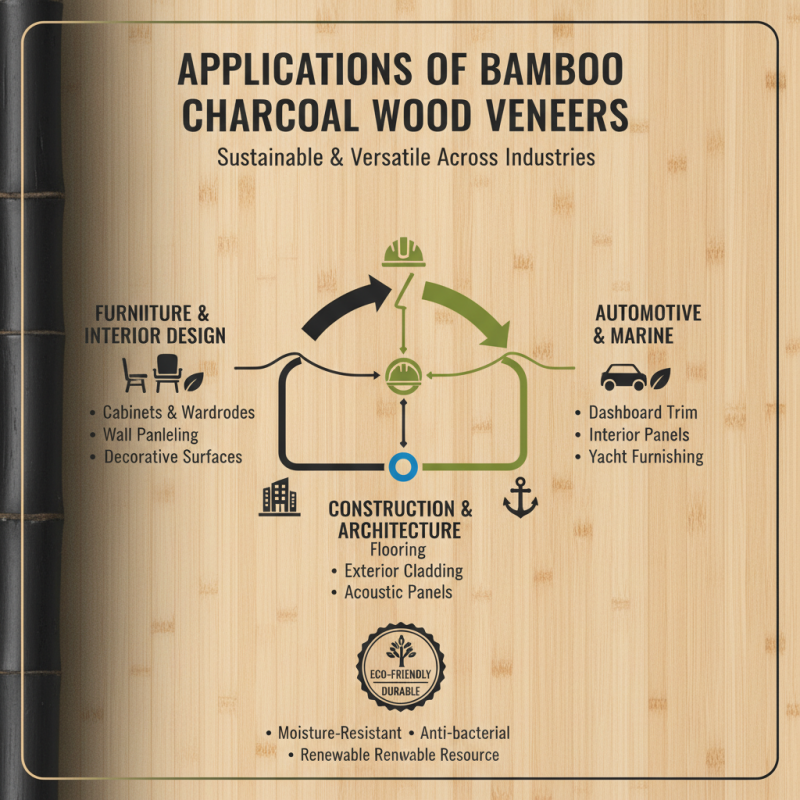
Bamboo charcoal wood veneers are gaining popularity across various industries due to their unique qualities. These veneers are not just environmentally sustainable; they also offer significant advantages in applications ranging from furniture to construction.
In the furniture industry, bamboo charcoal veneers are praised for their aesthetic appeal and durability. They resist moisture and mold, making them ideal for humid environments. According to a recent report from the Global Wood Market, about 15% of furniture manufacturers have begun incorporating bamboo materials. This shift reflects a growing trend towards sustainable sourcing. Moreover, bamboo charcoal’s natural air-purifying properties can enhance indoor environments, making them more healthy and pleasant.
In the construction sector, bamboo charcoal wood veneers are being explored for their thermal insulation properties. Studies indicate that bamboo charcoal can reduce energy consumption by up to 20% in buildings. This efficiency is appealing for architects aiming to create eco-friendly structures. While adoption is increasing, challenges remain. Some builders are concerned about the availability of consistent quality and suppliers. These factors can hinder wider acceptance in commercial projects. Despite these hurdles, the potential benefits present a compelling case for continued exploration of bamboo charcoal wood veneers.
Sustainability and Environmental Impact of Bamboo Charcoal Wood Veneer
Bamboo charcoal wood veneer has gained attention for its environmental advantages. Bamboo grows rapidly, making it a sustainable resource.
Studies show that bamboo can grow up to 91 centimeters per day. This fast growth allows for quick replenishment and reduces deforestation rates compared to traditional timber.
The production of bamboo charcoal is also environmentally friendly. The process utilizes a high-temperature method that converts bamboo into charcoal without releasing harmful substances. According to industry reports, bamboo charcoal production can sequester significant amounts of carbon dioxide. This contributes to reducing greenhouse gas emissions. Using bamboo veneer over conventional wood significantly lessens the overall carbon footprint.
In addition, bamboo wood veneer offers excellent durability. It is resistant to moisture, pests, and decay. This quality ensures longevity, reducing the need for replacements. However, the popularity of bamboo charcoal does raise questions about overharvesting. Balancing demand with sustainable practices remains a critical concern in the industry.
As bamboo charcoal veneer becomes more common, ongoing evaluation of environmental practices will be necessary.