The Benefits and Uses of Pu Stone in Modern Design and Architecture?
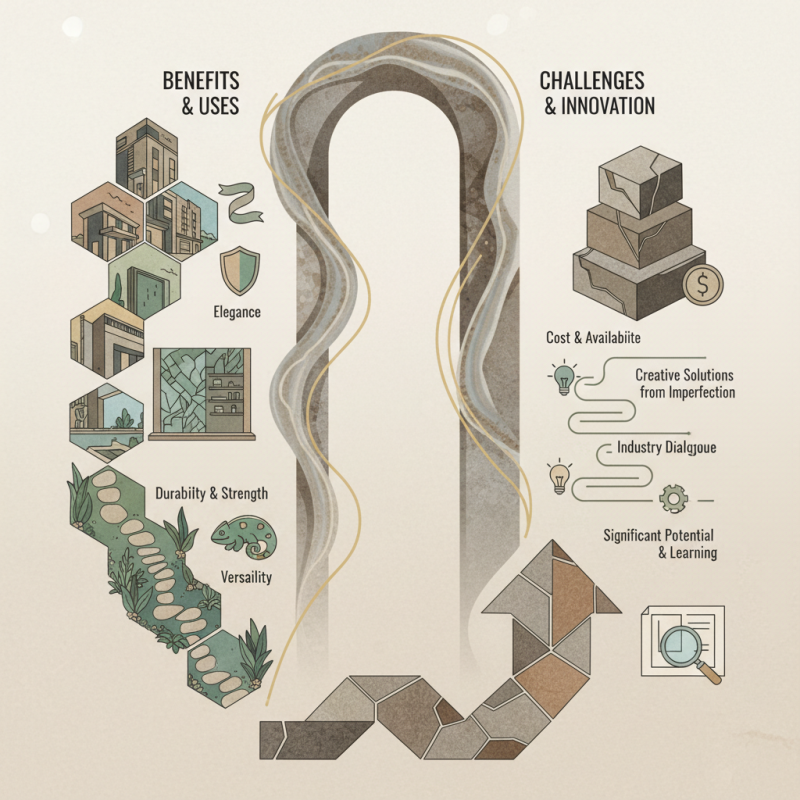
In the world of modern design and architecture, Pu Stone has emerged as a favored material. Known for its versatility, this stone offers both aesthetic appeal and functional benefits. Renowned architect Emily Zhang states, “Pu Stone transforms spaces with elegance and durability.” Designers appreciate its ability to blend seamlessly into various styles.
However, the adoption of Pu Stone is not without challenges. Some criticize its cost and availability. It's essential to weigh these factors when considering Pu Stone for projects. As architects explore innovative designs, the imperfect aspects of using Pu Stone can lead to new creative solutions. The industry's ongoing evolution necessitates open dialogue about its application.
Still, the potential of Pu Stone remains significant. Its natural beauty and strength make it a remarkable choice in architecture. Learning from the experiences of others in the field can help overcome hurdles. Engaging with Pu Stone might just redefine contemporary spaces in surprising ways.
The Historical Significance of Pu Stone in Architectural Design
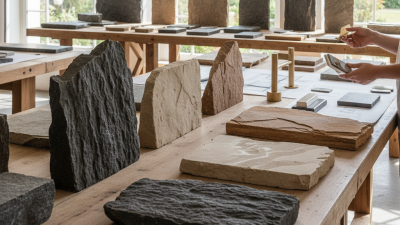
Pu stone, with its unique textural qualities, has a rich historical significance in architectural design. Dating back centuries, it was favored for its durability and aesthetic appeal. Many ancient structures built from Pu stone still stand today, showcasing its effectiveness. The stone's natural hues and patterns contributed to harmonious designs in both religious and residential buildings.
In addition to its historical roots, Pu stone has evolved in modern architecture. Architects use it for façade designs, landscaping, and even interior elements. Its versatility allows for a wide range of applications. However, sourcing Pu stone can be challenging. Different regions present varying quality and colors, making it essential to research before selection.
While Pu stone can elevate a design, its weight and cost may be limiting factors. Not every project can justify its use. Reflecting on these aspects is crucial for architects and designers when considering incorporating Pu stone. The balance between beauty and practicality often requires careful thought. This awareness adds depth to any architectural endeavor.
The Benefits and Uses of Pu Stone in Modern Design and Architecture
Physical Properties of Pu Stone That Enhance Modern Architectural Efficiency
Pu stone, with its unique physical properties, plays a vital role in modern architecture. Its durability is one of its most significant advantages. This material can withstand extreme weather conditions, making it ideal for outdoor applications. Architects appreciate its resistance to wear and tear. Buildings designed with pu stone maintain their aesthetic appeal longer than those with less resilient materials. The stone's ability to remain unscathed by rust or corrosion is particularly beneficial in urban environments.
Another remarkable feature of pu stone is its thermal insulation properties. This characteristic helps to regulate indoor temperatures effectively. Consequently, structures utilize less energy for heating or cooling. The result is both economic and environmentally friendly. Moreover, pu stone is often lightweight compared to other stones, making it easier to handle. This can lead to reduced construction costs and shorter build times. However, challenges can arise in sourcing high-quality pu stone. Not every supplier meets the necessary standards, which can compromise projects. Therefore, careful selection is crucial.
Applications of Pu Stone in Sustainable Building Practices
Pu Stone is gaining traction in sustainable building practices, offering numerous benefits. This innovative material is eco-friendly and durable. It mimics natural stone while reducing the environmental impact of traditional materials. Its lightweight nature makes it easier to transport and install. This feature significantly cuts down on energy use during construction.
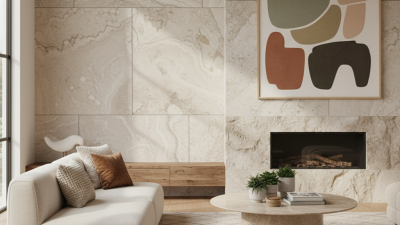
Architects and designers are getting creative with Pu Stone. They use it in facades, flooring, and even landscaping. This versatility allows for unique designs without compromising on strength. When properly sealed, it resists moisture and stains, enhancing longevity. Its aesthetic appeal lies in the various textures and colors available.
However, the adoption of Pu Stone is not without challenges. Some professionals question its long-term sustainability. While it has low environmental impact, manufacturing processes require energy. It’s crucial to balance aesthetics and environmental concerns. Continued research and development in this area will determine its place in future architecture.
The Benefits and Uses of Pu Stone in Modern Design and Architecture
| Application |
Benefit |
Sustainability Aspect |
Design Relevance |
| Exterior Facades |
Durability and Weather Resistance |
Long lifespan reduces resource consumption |
Enhances aesthetic appeal |
| Indoor Flooring |
Comfort and Slip Resistance |
Natural materials promote indoor air quality |
Versatile design options |
| Wall Cladding |
Thermal Insulation |
Energy efficiency in buildings |
Adds texture and depth to spaces |
| Countertops |
Non-porous and Easy to Clean |
Reduces chemical cleaning agents |
Natural aesthetic appeal in kitchens |
| Landscaping |
Erosion Control |
Promotes biodiversity |
Enhances outdoor visual appeal |
Market Trends: Demand and Supply of Pu Stone in Contemporary Design
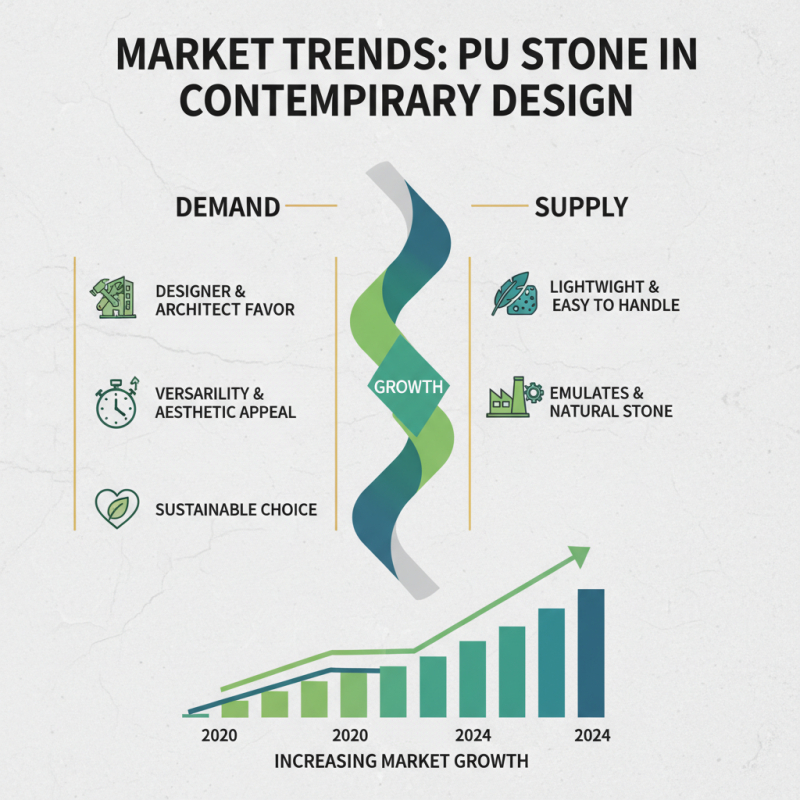
The market for PU stone has shown significant growth in recent years. Designers and architects favor PU stone due to its versatility and aesthetic appeal. This synthetic material emulates the look of natural stone while being lightweight and easier to handle. The increasing demand for sustainable materials also drives interest in PU stone among environmentally conscious consumers.
Supply chains are adapting to meet this demand. Manufacturers are investing in new technologies to improve production efficiency. However, some challenges persist, such as sourcing high-quality raw materials. As PU stone gains popularity, fluctuations in supply could affect availability and pricing.
Designers often experiment with PU stone in innovative ways. It is used for countertops, wall cladding, and decorative features. Yet, some professionals express concerns about durability. Real-world testing is crucial for understanding long-term performance. Balancing aesthetic desires with practical considerations remains an ongoing challenge.
Case Studies of Iconic Structures Utilizing Pu Stone in Their Design
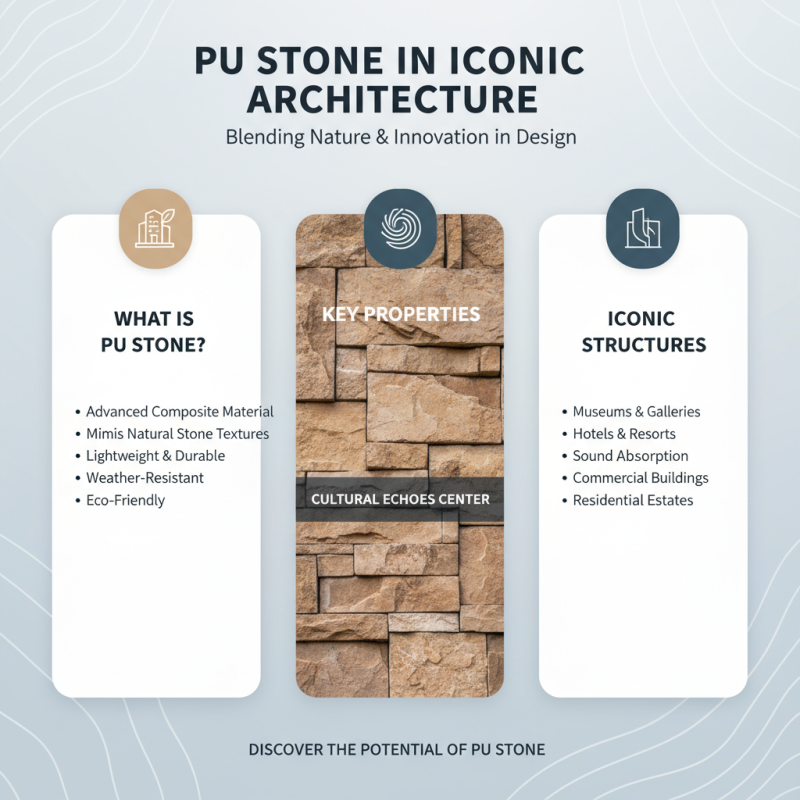
Pu stone has gained recognition in modern architecture due to its unique properties and aesthetic appeal. Many iconic structures showcase its versatility. For instance, the façade of a renowned cultural center utilizes Pu stone to create a striking visual impact. The stone’s natural textures provide warmth and blend harmoniously with surrounding landscapes.
Another notable example is a contemporary art museum featuring large Pu stone panels. This design choice not only adds a robust, textured surface but also enhances acoustic performance within the building. Visitors often comment on the refreshing atmosphere created by these stone elements. However, using Pu stone also presents challenges. Installation can be complicated, requiring skilled craftsmen. Designers must carefully consider the stone's weight and handling during construction.
The integration of Pu stone in urban settings often raises questions. Does it enhance the environment or disrupt the urban fabric? The ongoing debate emphasizes the need for thoughtful planning. Architects are recognizing that while Pu stone is beautiful and functional, its impact on a space must be thoroughly evaluated.