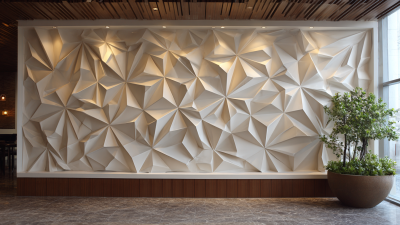
What Are the Benefits of Soft Stone in Home Design?
In the realm of home design, "Soft Stone" plays a pivotal role. Its unique textures and colors add depth, making spaces inviting and warm. Renowned interior designer, Michael Stone, once remarked, "Soft Stone brings a sense of tranquility and earthiness to any interior." This insight captures the essence of how these materials transform environments.
Soft Stone, like marble and limestone, enhances aesthetics while offering practical benefits. The natural patterns within the stone contribute to a timeless quality. They can evoke feelings of comfort, yet designers may overlook their potential. Texture and warmth can be pivotal in creating a balanced atmosphere at home.
While many prioritize modern materials, Soft Stone presents an opportunity to blend tradition with contemporary design. However, careful selection is key; not all stones suit every style. Reflecting on how we utilize Soft Stone can reshape our understanding of home aesthetics and comfort. Careful planning can unlock its full potential.
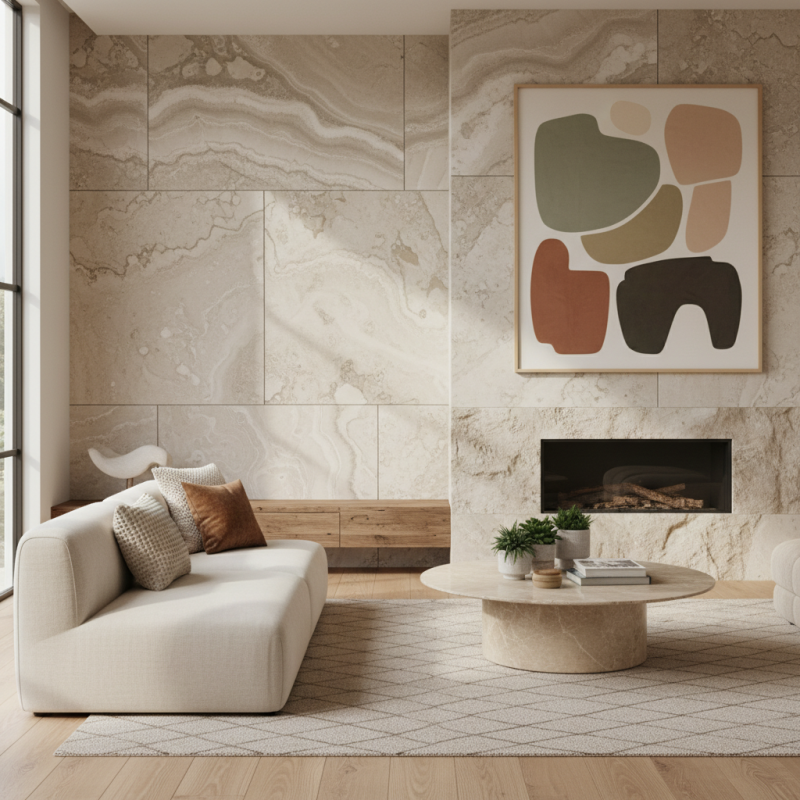
Advantages of Using Soft Stone in Interior Design
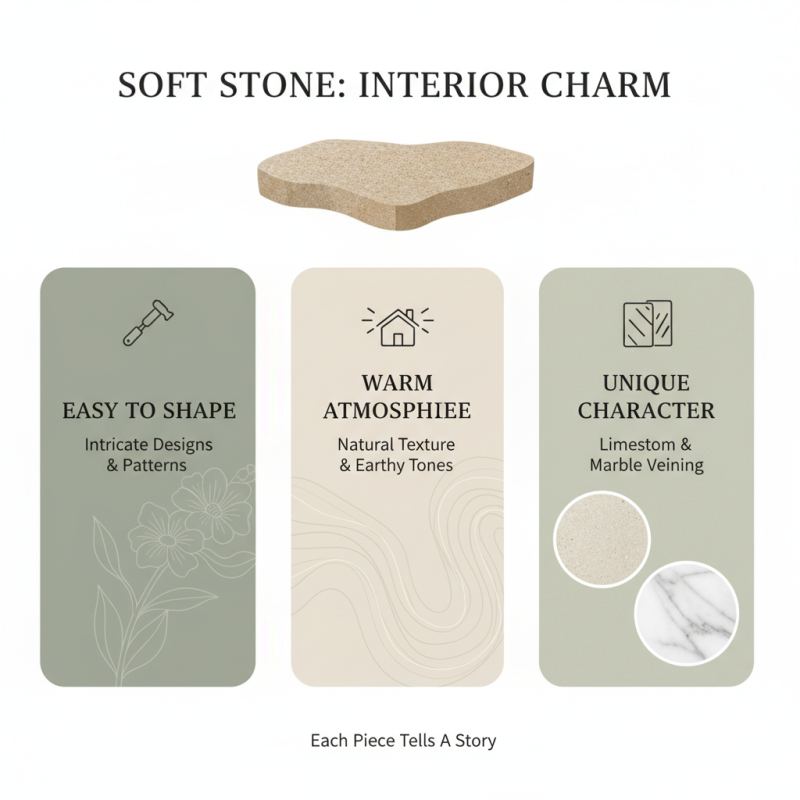
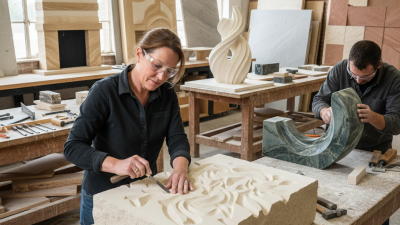
Soft stone brings a unique charm to interior design. Its natural texture and earthy tones create a warm atmosphere. Unlike hard surfaces, soft stone can be easily shaped and carved. This allows for intricate designs and unique patterns. A homeowner might choose limestone for its subtle grain or marble for its elegant veining. Each piece tells a story that adds to the home's character.
In practical terms, soft stone offers durability. It withstands wear and tear better than some materials. However, it can be more prone to scratches and stains. Regular maintenance is essential to keep it looking fresh. While soft stone is beautiful, it may not suit every space. Some people find it too soft for high-traffic areas, where harder materials might be better.
Lighting plays a crucial role in revealing the beauty of soft stone. Under the right light, the colors can shift and deepen, creating visual interest. However, poorly placed lighting can wash out these tones. Finding the right balance is vital to showcase its potential. With careful consideration, soft stone can elevate a home’s aesthetic, but it requires thoughtfulness in design choices.
Aesthetic Appeal: The Visual Impact of Soft Stone Surfaces
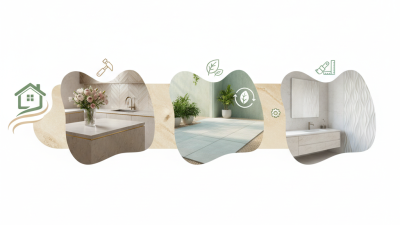
Soft stone surfaces can add a unique touch to home design. Their natural patterns and colors create an inviting atmosphere. Each piece of stone tells a story. The subtle variations in tone and texture enhance visual interest. Whether in the kitchen or bathroom, soft stone exudes warmth and sophistication.
Imagine a softly veined countertop or a textured backsplash. These elements draw the eye and spark conversation. People often pause to admire the beauty of the stone. It offers a blend of elegance and comfort. However, one must consider maintenance. Soft stone can be porous and may stain without proper care.
Choosing soft stone requires thoughtful planning. Its beauty can enhance a space, but the imperfections might challenge some. You may notice scratches over time. Sealing the surface regularly is essential for its longevity. Yet, the effort is often worth the striking visual impact it brings to your home.
What Are the Benefits of Soft Stone in Home Design? - Aesthetic Appeal: The Visual Impact of Soft Stone Surfaces
| Feature |
Description |
Visual Impact |
Durability |
| Texture Variety |
Soft stone offers a range of textures from smooth to rough, catering to diverse design preferences. |
Rich textural contrasts enhance visual interest and depth in home environments. |
Generally durable, while softer than hard stones, some can be susceptible to scratches. |
| Color Variety |
Available in a spectrum of colors, soft stone complements various interior palettes. |
Color variations can create dynamic focal points in rooms. |
Depending on the type, some stones may fade over time if exposed to direct sunlight. |
| Natural Appeal |
Soft stone is a natural material that brings warmth and organic feel to spaces. |
The use of natural stone can make spaces feel more inviting and comforting. |
Offers long-lasting beauty with proper maintenance and care. |
| Versatility |
Can be used in flooring, countertops, and decorative accents alike. |
Adapts to various design styles, from modern to rustic. |
Varies by type; some are more robust for heavy use than others. |
Functional Benefits: Durability and Versatility in Home Applications
Soft stone is a popular choice in home design due to its remarkable durability and versatility. This natural material stands up well under pressure. It resists scratches better than many alternatives. Whether used for countertops, flooring, or accent walls, soft stone showcases a unique charm. Each piece tells a story with its natural patterns and textures. Choosing soft stone can add character to any space.
In kitchens and bathrooms, soft stone is both practical and stylish. It withstands moisture and heat, making it ideal for these high-traffic areas. Many homeowners appreciate how easy it is to clean. A quick wipe can keep surfaces gleaming. However, one must consider that soft stone can be porous. Sealing may be necessary to prevent stains. This adds a maintenance layer that some might find bothersome.
In living spaces, soft stone offers a seamless transition between indoor and outdoor environments. Its natural hues blend beautifully with various color palettes. Yet, not everyone finds it suitable. Some criticize the weight of the stone, which can complicate installation. Others point out that some softer varieties may chip more easily than expected. Balancing aesthetics and practicality can be challenging, but the rewards can be worth it.
Textural Variety: Enhancing Sensory Experiences with Soft Stone
Soft stone brings a unique textural variety to home design. Its natural finish creates a warm, inviting atmosphere. Homeowners often find comfort in its smooth surfaces. This tactile quality enhances the sensory experience, adding depth to any space. Imagine walking barefoot on polished stone floors. The coolness against your skin feels refreshing. Soft stone walls can also absorb sound, creating a cozy environment.
Incorporating soft stone into your home invites a sense of nature indoors. Each piece is unique, with individual patterns and colors. This variance can spark creativity in design choices. However, the imperfect nature of soft stone may require ongoing maintenance. Are the occasional chips or scratches part of its charm? Some might think so, while others may overlook its beauty in favor of easy upkeep.
Consider soft stone in unexpected areas too. A kitchen countertop or bathroom vanity can stand out with organic textures. The contrast with sleek fixtures can provoke thought. How do we balance nature and modernity in our spaces? By embracing soft stone, we can create a dialogue between these elements. The natural feel can ground the design, making a home feel truly unique.
Sustainability Considerations: Eco-Friendly Aspects of Soft Stone Usage
Soft stone has gained traction in home design due to its eco-friendly appeal. This material is often sourced locally, significantly reducing transportation emissions. Its natural beauty adds warmth to interiors and complements various styles. Soft stone, like limestone and soapstone, is a great choice for countertops, flooring, and wall features. Its versatility allows homeowners to make sustainable choices without sacrificing aesthetics.
However, the environmental impact of soft stone extraction is worth discussing. Quarrying can disrupt local ecosystems. It’s essential to consider how the stone is sourced. Opting for reclaimed or recycled soft stone can mitigate some of these concerns. This practice preserves nature while providing unique character to homes. Each piece has history, which adds depth to the design.
Soft stone naturally regulates temperature and humidity, promoting energy efficiency. This results in lower heating and cooling costs over time. Yet, it’s crucial to ensure proper installation to maximize benefits. Regular maintenance is also necessary; sealing may be required to prevent wear. As with any material, the thoughtful application of soft stone can create stunning results while being kind to the planet.
Benefits of Soft Stone in Home Design