2026 Best Carbon Fiber Panel for Global Buyers Trends?
The demand for Carbon Fiber Panels in global markets is rising steadily. Experts predict significant trends shaping this industry by 2026. Dr. Emily Carter, a renowned specialist in advanced materials, emphasizes, "The future of Carbon Fiber Panel technology lies in sustainability and innovation."
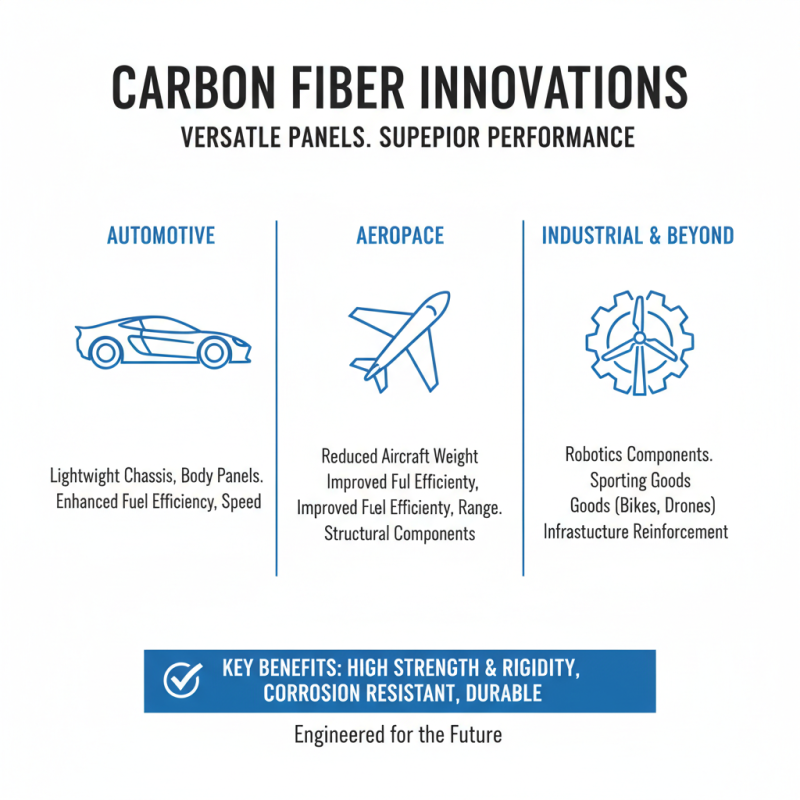
As manufacturers seek lightweight yet strong components, Carbon Fiber Panels stand out. Their applications span aerospace, automotive, and sports equipment. Companies are increasingly integrating new technology to enhance performance and minimize environmental impact. However, challenges remain. Not all manufacturers adhere to ethical sourcing or quality standards.
Buyers must stay informed and critical. With rapid advancements, it’s vital to evaluate products carefully. Transparency in supply chains is crucial for building trust. The evolution of Carbon Fiber Panels reflects a broader trend of balancing innovation with responsible practices. Preparing for 2026 requires vigilance and commitment to quality in the Carbon Fiber industry.

2026 Trends in Carbon Fiber Panel Demand for Global Buyers
The demand for carbon fiber panels is surging in 2026. Industries such as automotive, aerospace, and construction are increasingly embracing this lightweight material. Companies are looking for innovative ways to enhance performance and reduce weight. Carbon fiber panels offer incredible strength and durability, making them an attractive option.
In recent months, buyers have shown a keen interest in sustainable practices. Many seek panels made from recycled materials. This shift reflects a growing awareness of environmental impacts among consumers. Organizations are also investing in research to improve the manufacturing process. This innovation aims to lower costs while maintaining quality standards.
However, challenges remain. The textured surface of some carbon fiber products can complicate finishing processes. Additionally, sourcing raw materials is becoming increasingly competitive. Buyers must navigate these complexities while balancing performance and sustainability. The evolving market landscape demands flexibility and adaptability from suppliers. It's crucial for stakeholders to stay informed and proactive in this rapidly changing environment.
Key Factors Influencing the Carbon Fiber Panel Market in 2026
The carbon fiber panel market is evolving rapidly. By 2026, various factors will shape its demand. Buyers need to consider weight, strength, and flexibility. Manufacturers are focusing on innovative designs. Increased applications in industries like automotive and aerospace drive growth.
Global sustainability efforts push for lightweight materials. Carbon fiber panels can help reduce overall vehicle weight. This leads to improved fuel efficiency and lower emissions. However, production costs remain high. This aspect requires careful planning for buyers.
Tips: Always engage with experts in the field for advice. Consider the specific needs of your projects. Analyze the long-term benefits versus initial costs carefully. Making informed decisions can mitigate risks and enhance performance.
Comparative Analysis of Carbon Fiber Panel Suppliers Worldwide
The global market for carbon fiber panels is rapidly evolving. Suppliers from various countries offer unique advantages. Each has different strengths, such as technology, pricing, or quality. Analyzing these factors is crucial for buyers.
When evaluating suppliers, consider their production processes. Some use advanced techniques that enhance durability and performance. Others might prioritize affordability, which can impact quality. Always assess the materials used in manufacturing.
Tips: Look at customer reviews and industry certifications. This can provide insights into supplier reliability. Additionally, ask for samples to evaluate the product quality firsthand. A thoughtful comparison can lead to better purchasing decisions.
2026 Best Carbon Fiber Panel for Global Buyers Trends
| Supplier Region |
Panel Thickness (mm) |
Panel Weight (kg/m²) |
Tensile Strength (MPa) |
Pricing (USD/m²) |
Market Share (%) |
| North America |
2.0 |
1.5 |
600 |
120 |
25 |
| Europe |
2.5 |
1.8 |
700 |
150 |
30 |
| Asia Pacific |
2.2 |
1.6 |
650 |
130 |
20 |
| South America |
2.0 |
1.7 |
600 |
110 |
15 |
| Middle East & Africa |
2.1 |
1.4 |
620 |
115 |
10 |
Innovative Applications of Carbon Fiber Panels Across Industries
Carbon fiber panels have emerged as versatile materials across various industries. Their lightweight nature and high strength make them ideal for automotive and aerospace applications. In aviation, for instance, these panels reduce overall weight, thus improving fuel efficiency. Engineers have noticed significant performance gains when using carbon fiber components.
In construction, carbon fiber panels are gaining attention for their ability to reinforce buildings. They offer high tensile strength, enabling structures to withstand greater stress. However, challenges remain in terms of cost and manufacturing scalability. Sustainability issues also arise with carbon fiber production, calling for industry reflection.
The sports sector benefits significantly from carbon fiber technology. From bicycles to tennis rackets, performance enhancement is evident. Yet, there is a need to consider the environmental impact of using such materials. As industries continue to innovate, the balance between performance and responsibility becomes crucial.
Sustainability and Environmental Considerations in Carbon Fiber Production
Carbon fiber has gained significant attention for its lightweight and durable properties. However, the environmental impact of its production raises concerns. The manufacturing process involves energy-intensive methods that often rely on non-renewable resources. According to a recent report by the International Energy Agency, carbon fiber production is estimated to contribute significantly to carbon emissions. This raises questions about its sustainability.
Sustainable alternatives are emerging. Researchers are exploring bio-based precursors for carbon fiber. These materials could reduce reliance on petroleum-based resources. A study published in the Journal of Cleaner Production noted that using bio-based fibers could decrease CO2 emissions by up to 30%. Still, these methods face challenges, including scalability and cost.
The recycling of carbon fiber also presents a significant opportunity. Current recycling technologies are limited, but advancements are underway. A report from Composites World highlights that only about 5% of carbon fibers are currently recycled. Improved recycling methods could enhance the sustainability of carbon fiber products. However, the industry must grapple with the balance between performance and environmental impact.