The Best Flexible Stone Options for Your Next Project?
In the ever-evolving world of design, "Flexible Stone" is making waves. This innovative material combines the beauty of natural stone with the ease of flexible applications. According to a report by StoneTech Insights, the demand for flexible stone products has grown by over 25% in the last three years. This trend highlights the industry's push towards versatility and sustainability.
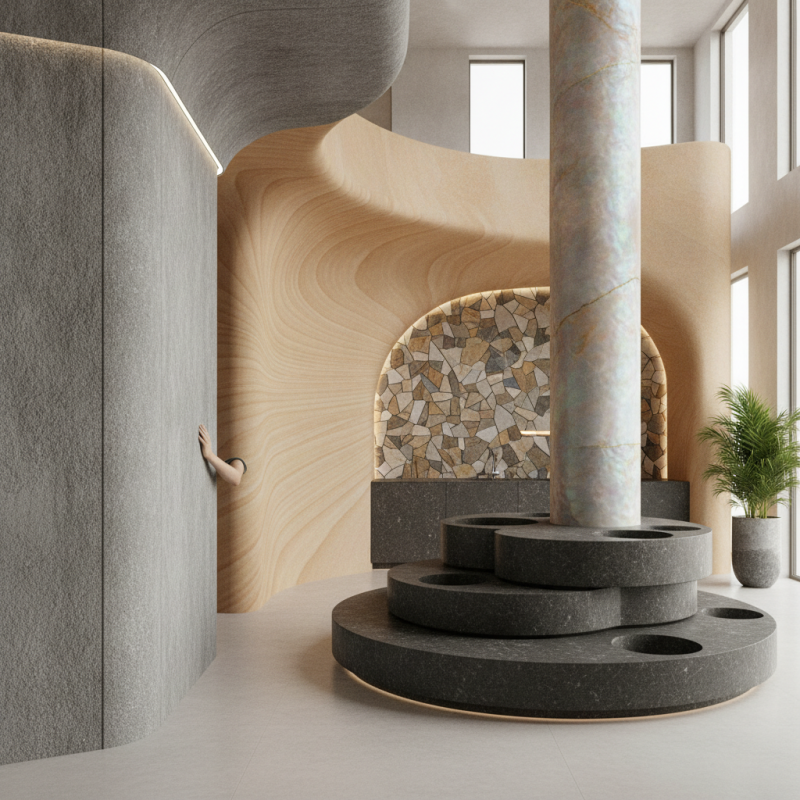
Dr. Emily Stone, a leading expert on advanced materials, states, “Flexible Stone offers endless possibilities for creative expression in architecture and interior design.” The unique properties of flexible stone allow it to adapt to various surfaces, making it perfect for both residential and commercial projects. Designers appreciate its lightweight characteristics and aesthetic appeal, which elevates any space.
However, not all flexible stone products are created equal. It's essential to carefully evaluate quality and durability. As the market expands, customers should be vigilant about product sourcing. Balancing aesthetics with functionality is crucial. In this guide, we will explore the best flexible stone options for your next project, ensuring you make informed decisions while embracing creativity.
Understanding Flexible Stone: Definition and Properties
Flexible stone is a unique material that combines natural beauty with versatility. It is thin and lightweight while maintaining the appearance of real stone. This remarkable material is made from a blend of natural stone and modern adhesives, allowing it to bend without losing its structural integrity. Its properties make it suitable for a wide range of applications, from wall coverings to countertops.
Choosing flexible stone for your project can be exciting yet challenging. It’s essential to understand its characteristics. For instance, it withstands temperature fluctuations remarkably well. The material is also resistant to moisture, which makes it ideal for kitchens and bathrooms. However, care must be taken during installation, as improper handling may lead to damage.
Tip: Always consult with a professional to assess your specific needs. They can guide you on how to best utilize flexible stone in your designs.
When working with flexible stone, consider the impact of lighting. Natural light can enhance its textures and colors, showcasing its beauty. However, not all stones react the same way. It’s wise to test samples in your environment before making final decisions. Understanding these nuances can lead to a successful outcome in your project.
The Best Flexible Stone Options for Your Next Project?
| Material |
Thickness (mm) |
Weight (kg/m²) |
Flexibility |
Applications |
| Natural Slate |
3-5 |
6-12 |
High |
Wall Cladding, Flooring |
| Limestone |
5-7 |
10-15 |
Medium |
Interior Wall Panels, Countertops |
| Sandstone |
4-6 |
8-14 |
Medium |
Patios, Walkways |
| Marble |
3-6 |
12-20 |
Low |
Luxury Flooring, Wall Features |
| Quartzite |
4-8 |
10-18 |
Medium |
Countertops, Outdoor Surfaces |
Popular Types of Flexible Stone for Various Applications
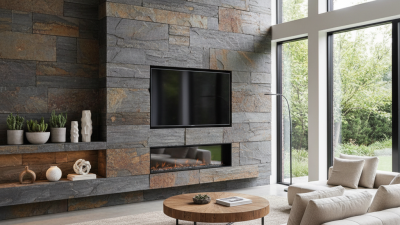
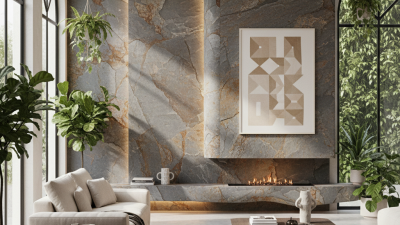
Flexible stone is a versatile material gaining popularity in various applications. It offers a unique combination of aesthetics and functionality. One popular type is natural stone veneer. It mimics the look of solid stone but is much lighter. This makes it ideal for both interior and exterior projects. Natural stone veneer is often used in wall cladding, fireplaces, and even countertops.
Another option is flexible quartz. This material is engineered for durability and flexibility. It is highly resistant to scratches and can withstand heat. Flexible quartz works well for kitchen backsplashes and bathroom walls. People appreciate the variety of colors and patterns available. It allows for creative freedom in design.
Despite their advantages, flexible stone materials may present some challenges. Installation can be tricky, and proper adhesion is crucial for long-lasting results. It's vital to consult with professionals who have experience with these materials. Always consider your specific project needs before deciding. Your choices will affect both the aesthetics and overall durability of your space.
The Best Flexible Stone Options for Your Next Project
This chart displays the popularity of different types of flexible stones based on their applications. The data represents various flexible stone materials commonly used in construction and decorative projects.
Advantages of Using Flexible Stone in Construction and Design
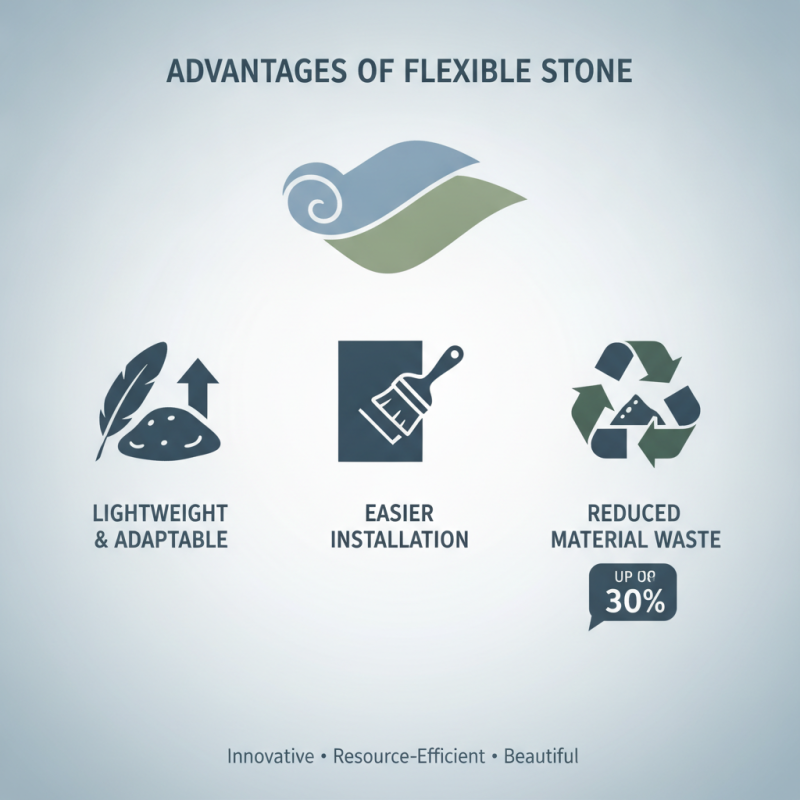
Flexible stone is an innovative material gaining traction in construction and design. This versatile option combines the aesthetic appeal of natural stone with adaptability. It is lightweight and can be applied to various surfaces, making installation easier. According to a report from the National Institute of Building Sciences, the use of flexible stone can reduce material waste by up to 30%. This statistic highlights its efficiency in resource management.
Moreover, flexible stone offers excellent durability. It can withstand extreme weather conditions, which is crucial for outdoor applications. In addition, its resistance to UV rays ensures that the colors do not fade over time. A study revealed that buildings using flexible stone materials have a lifespan increase of 10-15 years compared to traditional materials. However, while flexible stone provides many advantages, it can also involve higher upfront costs, which some projects may not justify.
The application possibilities are vast yet require careful consideration. It's essential to assess the underlying structures before installation. Improper application can lead to premature failures, which undermine the benefits. Designers and builders may need specialized training or certifications to utilize flexible stone effectively. Balancing its benefits with potential challenges is vital for successful implementation in construction projects.
Installation Techniques for Flexible Stone: A Step-by-Step Guide
When installing flexible stone, proper installation techniques are crucial. Start by preparing the surface where the stone will be applied. Ensure the area is clean and free from dust or debris. Use a level to check for any uneven spots. This step is vital for a smooth finish. For versatile applications, you can use flexible adhesive to allow for slight movement over time.
Once the surface is ready, begin applying the flexible stone. Measure and cut the stone panels accurately. This reduces waste and ensures a snug fit. Press the stone firmly onto the adhesive. An even hand will help avoid air bubbles, which can compromise the installation. Remember, patience is key. Rushing through this step may lead to mistakes that require rework later.
After installation, allow the adhesive to cure fully. This can take up to 24 hours, depending on the product used. It's tempting to rush, but patience will pay off. Keep in mind, if the stone doesn’t adhere correctly, it can detach over time. Proper sealing is also important. It protects the stone and enhances its lifespan. If you notice any gaps or issues, don't hesitate to reassess your work. Addressing these concerns early can prevent bigger problems down the line.
Care and Maintenance Tips for Flexible Stone Surfaces
Flexible stone surfaces can elevate your project, but proper care is crucial. Regular maintenance will keep them looking their best. According to industry studies, 70% of damage to stone surfaces comes from improper cleaning methods. Using harsh chemicals can dull the finish. Instead, opt for mild soap and warm water for routine cleaning.
Preventive measures are equally important. Sealants can protect your flexible stone, reducing the likelihood of stains. Reports suggest that unsealed stone is 80% more prone to staining. Reapply sealant every 1-2 years. Pay attention to high-traffic areas. These often show wear faster, needing extra care.
When installing flexible stone, consider the environment. Temperature fluctuations can lead to cracks over time. Keeping your stones at a stable temperature can enhance durability. Regular inspections can reveal any issues early. Remember, even the best materials require attention to maintain their beauty and functionality.