Best Fluted Panel Options for Global Buyers in 2026?
In the dynamic world of interior design, Fluted Panels are becoming increasingly popular among global buyers. These panels add texture and depth to spaces, offering both aesthetic appeal and functional benefits. Their versatility makes them ideal for various applications, from residential homes to commercial environments.
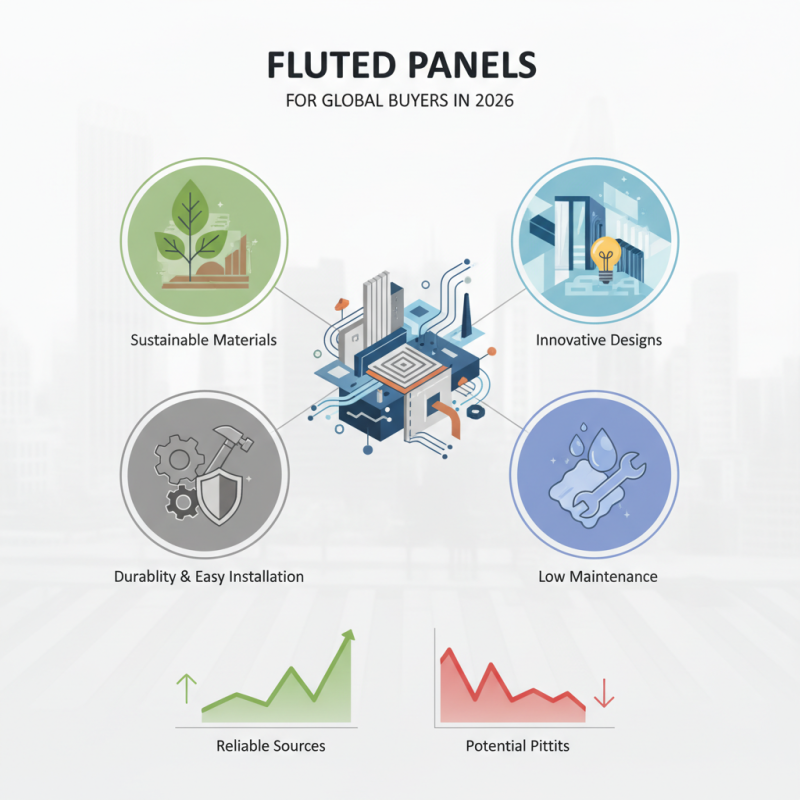
As we look towards 2026, understanding the best Fluted Panel options is crucial for making informed purchasing decisions. Trends indicate a growing preference for sustainable materials and innovative designs. Buyers should consider factors like durability, ease of installation, and maintenance.
While many manufacturers offer enticing choices, it’s essential to identify reliable sources. Some products may not deliver on their promises. Conducting thorough research can help buyers avoid potential pitfalls and ensure a satisfactory investment in Fluted Panels for their projects.
Overview of Fluted Panels: Types and Materials in 2026
Fluted panels are gaining traction in 2026. Their aesthetic appeal and functional versatility make them a popular choice for interiors. These panels come in various types and materials, catering to diverse design needs.
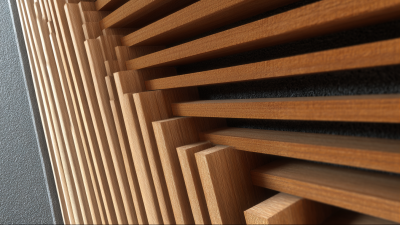
Wood is a classic option for fluted panels. It brings warmth and texture to spaces. In contrast, MDF offers a more economical choice. It can mimic wood's look while being lightweight and easy to install. For a more modern feel, consider metal fluted panels. They reflect light and add a sleek touch. The choice of material significantly impacts the final look and durability.
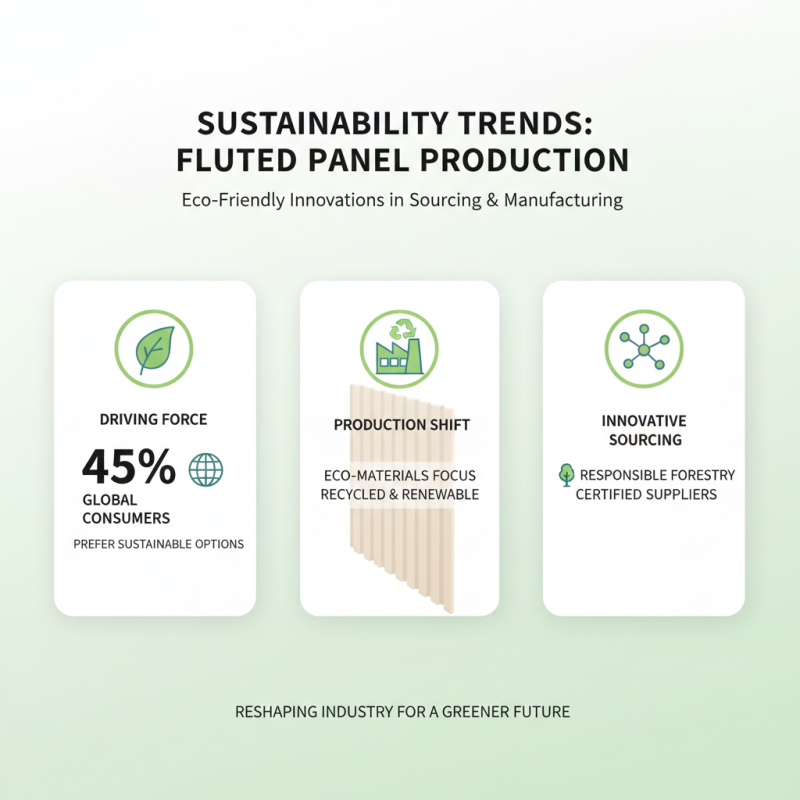
Sustainability is increasingly important. Eco-friendly materials are becoming more available. Some manufacturers now use recycled resources. Buyers are encouraged to research the origin of these materials. Understanding where they come from can help in making better choices. It's vital to balance style with environmental responsibility.
Best Fluted Panel Options for Global Buyers in 2026
Key Features to Consider When Choosing Fluted Panels
When selecting fluted panels, several key features should guide your decision. Material is crucial. Various options, like wood, PVC, or metal, offer different aesthetics and durability. Consider how these materials will perform in your specific environment.
Texture and finish matter, too. Smooth finishes reflect light differently than rough textures. The feel of the panel can impact the overall ambiance of the space. Think about how these choices align with your design vision.
Tip: Always order samples before making a final decision. This helps you visualize how the panels fit within your project.
Keep an eye on sustainability. Eco-friendly materials are gaining popularity. Many buyers appreciate options that align with green building standards. Research the sourcing of your panels for transparency.
Tip: Assess the maintenance needs of your chosen materials. Some require more upkeep than others. Balance aesthetics with practicality for long-term satisfaction.
Best Fluted Panel Options for Global Buyers in 2026
| Material |
Thickness (mm) |
Finish Options |
Fire Rating |
Cost per Square Meter ($) |
| PVC |
4 |
Glossy, Matte, Textured |
Class B |
15 |
| Aluminum |
3 |
Anodized, Powder-coated |
Class A |
30 |
| MDF |
19 |
Veneered, Laminated |
Class C |
20 |
| Fiberglass |
10 |
Gel Coated, Smooth |
Class A |
50 |
| Wood |
25 |
Natural, Stained |
Class C |
40 |
Top Global Suppliers of Fluted Panels for Diverse Applications
When exploring global suppliers of fluted panels, a variety of options present themselves. These suppliers cater to diverse applications, from architectural designs to interior decor. Their products often feature various materials like MDF, wood, and PVC. Each material brings unique qualities, impacting both aesthetics and functionality.
In recent years, the demand for sustainable materials has risen. Many suppliers are focusing on eco-friendly options, aiming to reduce their carbon footprint. This shift demonstrates a commitment to sustainability but also raises questions about long-term availability and cost implications. As buyers, staying informed is essential. Understanding these dynamics helps professionals make better choices.
Additionally, not every supplier meets the same standards. Quality assurance varies across the board. Some panels might have manufacturing defects, leading to dissatisfaction. It's crucial to conduct thorough research before purchasing. Reading reviews and seeking expert opinions can illuminate potential pitfalls and reveal reliable suppliers.