2026 Best Interior Design Trends You Need to Know?
As we approach 2026, the world of Interior Design is evolving rapidly. A recent report from the American Society of Interior Designers indicates that 70% of consumers are now placing higher value on sustainable practices in their living spaces. This trend reflects a growing awareness of the environmental impact of our choices.
More designers are incorporating eco-friendly materials and biophilic designs. The need for multifunctional spaces is also on the rise. As people adapt to remote work and changing lifestyles, the focus is on creating flexible environments. This shift calls for innovative solutions to enhance both aesthetics and functionality.
However, not all trends may resonate with everyone. Some may find minimalist designs too stark or cold. It's essential for designers to consider diverse preferences. Balancing personal style with emerging trends can be a challenge. Ultimately, adapting to these 2026 trends requires both creativity and careful reflection on individual needs.
Key Themes in 2026 Interior Design Trends
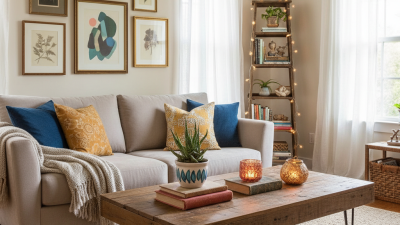
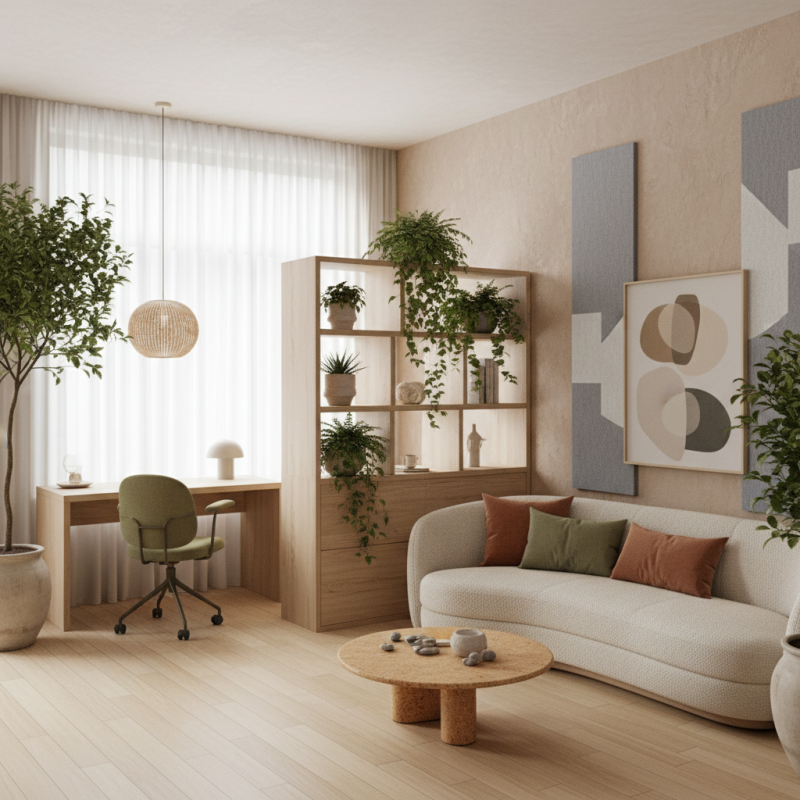
In 2026, interior design will reflect a shift toward sustainability and personal expression. Nature-inspired elements will dominate. Think lush greenery and organic materials. Biophilic design will create calming spaces. People will crave more connection with the outdoors.
Tips for incorporating nature: use indoor plants or live walls. Choose natural textiles for your decor. Colors will also trend towards earthy tones. Warm hues will invite comfort and relaxation. Mixing textures will add depth to your spaces. Consider combining wood, stone, and fabric for a cozy yet modern look.
Personalization will take center stage in homes. Customizable furnishings will become essential. Use art and decor that tells your story. Imperfections in handmade items will add character. Not everything needs to match perfectly. Embrace unique finds that resonate with your experiences. This shift encourages deeper reflection on what home means to you.
Sustainable Materials and Eco-Friendly Design Choices
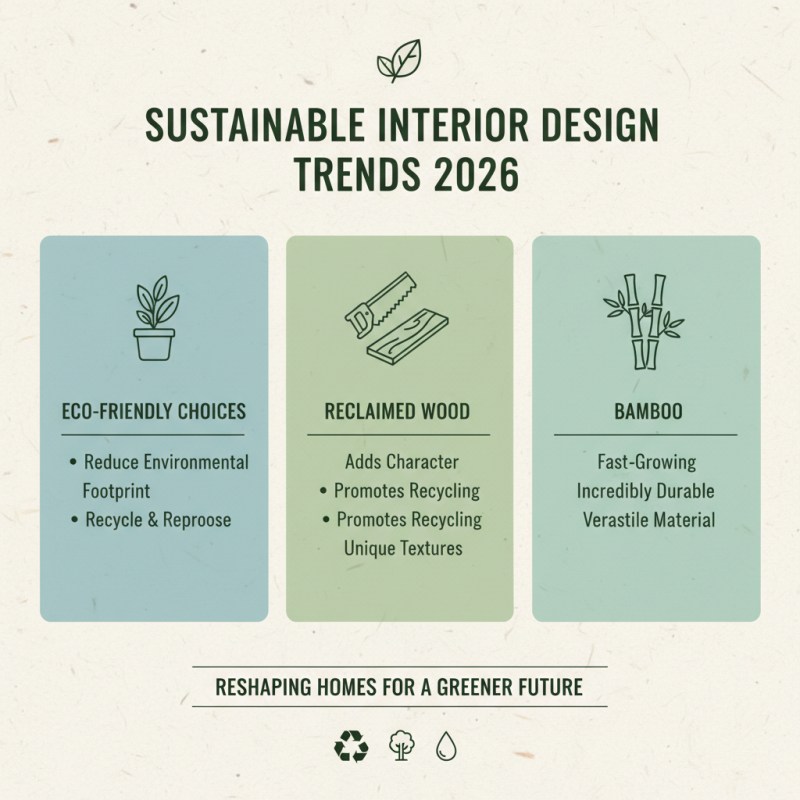
Sustainable materials and eco-friendly design choices are reshaping interior design trends for 2026. Homeowners increasingly seek ways to reduce their environmental footprint. Using reclaimed wood, for example, not only adds character to a space but also promotes recycling. Bamboo is another fantastic option. It's fast-growing and incredibly durable.
When selecting materials, consider the life cycle of each product. Ask how it was made. Is it biodegradable? Will it contribute to pollution? A reflective mindset is essential here. Many eco-friendly options exist, but they are not always perfect. Sometimes, they can be more expensive or harder to find.
Tips: Choose low-VOC paints for healthier indoor air quality. Look for certified sustainable products to ensure they meet eco-friendly standards. Evaluate the entire design process. Sustainable design is about balance. It's okay to mix materials, but the goal should be to create a cohesive and environmentally responsible space.
Bold Colors and Patterns: Making a Statement in Interiors
Bold colors and patterns are making a powerful statement in interior design for 2026. Recent reports indicate that nearly 72% of designers believe vibrant hues can transform spaces. Bright colors not only energize a room but also influence moods. For instance, deep blues and fiery reds can evoke feelings of calm or passion, respectively. Designers are increasingly pairing these hues with striking patterns to create focal points in a home.
Choosing the right balance is crucial. Overwhelming patterns can create visual chaos. According to a recent survey, 63% of homeowners admit they are hesitant to embrace bold choices due to fear of clashing elements. However, when done right, the combination of vivid colors and captivating patterns can delight the senses. Think of a rich emerald green wall adorned with geometric wallpaper in contrasting golds. This creates a sophisticated yet impactful environment, encouraging people to reflect on their personal style.
Experimentation is key in this colorful journey. A small pop of color in an accessory or a statement piece can set the tone. Yet, there's a risk of choosing something that quickly becomes outdated. Staying informed about trends is essential. Designers advise incorporating bold elements subtly to ensure longevity. Ultimately, bold colors and patterns can redefine interior spaces, mirrored by changing preferences in design aesthetics.
Smart Home Integration: Technology in Everyday Design
Smart home integration has become a crucial element in interior design. The idea of merging technology with everyday spaces appeals to many homeowners. Imagine arriving home, only to have your lights adjust automatically, welcoming you with comfort. It's a seamless blend of function and aesthetic.
However, integrating technology is not always flawless. Many devices can conflict, causing frustration. Compatibility issues often arise, leaving homeowners puzzled. Additionally, the aesthetic of visible wires and tech can disrupt a design. Striking the right balance can be challenging but is essential for a cohesive look.
Incorporating smart devices should enhance, not dominate, your environment. Minimalistic tech solutions can blend beautifully with decor. Smart mirrors that display information without cluttering the space offer an intriguing idea. Yet, designers must continually ask: Does this truly enhance the experience? The art of smart home integration lies in thoughtful choices that enrich the living experience, inviting reflection on both function and style.
2026 Best Interior Design Trends You Need to Know
| Trend |
Description |
Advantages |
Impact on Design |
| Smart Lighting |
Integration of smart bulbs and sensors for customizable lighting. |
Energy efficiency; mood enhancement. |
Creates dynamic atmospheres easily adjustable via apps. |
| Home Automation |
Control of appliances and systems through a centralized interface. |
Convenience; improved security. |
Enables seamless integration of various design elements. |
| Virtual Reality Design |
Using VR to visualize space and design before implementation. |
Enhanced decision-making; reduced errors. |
Transformative impact on client design experiences. |
| Sustainable Materials |
Use of eco-friendly and recycled materials in design. |
Environmental benefits; unique aesthetics. |
Inspires innovative approaches to material selection. |
| Personalized Spaces |
Design that reflects individual lifestyles and preferences. |
Increased emotional connection; satisfaction. |
Encourages creativity and individual expression in design. |
Multifunctional Spaces: Adapting to Modern Living Needs
The concept of multifunctional spaces is becoming increasingly crucial in interior design. More people are living in smaller homes or apartments, making it essential to optimize every square foot. According to a recent report from the American Institute of Architects, 70% of homeowners prioritize flexibility in their living spaces. This trend emphasizes adaptability, allowing rooms to serve multiple purposes throughout the day.
Creating multifunctional spaces requires creativity. Consider using furniture that can easily transform. A sofa bed, for instance, can serve as a cozy lounge during the day and a guest bed at night. Open shelving can double as a room divider while providing essential storage. Colors and textures should be chosen to reflect a cohesive style, even when the room serves various functions.
Tip: Use collapsible furniture to save space in a pinch. This not only keeps your environment uncluttered but also adds visual interest.
It's vital to reflect on the needs of each space. Sometimes, the designated areas can feel inadequate, leading to frustration. For example, a home office that doubles as a guest room may need zoning to create focus while working. Consider using rugs or lighting to differentiate areas. This adds both style and practicality. Flexibility in space design ultimately enhances the experience of modern living.