Best Pu Stone for Your Global Sourcing Needs?
When sourcing materials for global operations, PU stone stands out as a versatile and reliable option. This material, known for its durability and aesthetic appeal, has gained traction across various industries. Its lightweight nature and ease of installation make it a preferred choice for manufacturers and designers alike.
However, selecting the best PU stone requires careful consideration. Not all suppliers adhere to the same standards. Quality can vary significantly, which can impact your final product. It's essential to evaluate potential partners based on their production techniques, raw materials used, and their commitment to sustainability.
Moreover, while many competitors offer similar products, true expertise lies in understanding the nuances of PU stone. A well-informed decision can enhance your sourcing strategy, ensuring both reliability and quality. Reflecting on past experiences with suppliers may reveal insights that inform future choices. Ultimately, the right PU stone can elevate a project, but the sourcing process demands attention and diligence.

Understanding PU Stone: Composition and Properties
PU stone, or polyurethane stone, is a composite material known for its versatility in global sourcing. Its primary composition consists of a combination of polyurethane resin and mineral aggregates. This blend gives PU stone its unique attributes, making it suitable for various applications. It often resembles natural stone, yet it is lighter and more durable.
The properties of PU stone are what truly set it apart. It is resistant to moisture and UV rays, ensuring longevity in outdoor settings. However, it can sometimes be prone to scratching, which requires careful handling. Its surface can also be sensitive to harsh chemicals, leading to potential degradation over time.
When considering PU stone for your projects, it's vital to evaluate these characteristics. Ensure the sourcing aligns with the desired strength and aesthetic requirements. While PU stone offers numerous benefits, its vulnerabilities must be acknowledged. Engage with suppliers who understand these nuances to make informed decisions.
Types of PU Stone Available for Global Sourcing
When sourcing PU stone globally, it’s vital to understand the different types available. PU stone typically comes in various forms, catering to diverse applications. There are solid PU stones, which are dense and durable, ideal for countertops and flooring. This type offers a sleek finish and is resistant to stains and heat.
Another popular form is the flexible PU stone. It is lighter and can be shaped easily, making it suitable for decorative elements or intricate designs. However, flexibility may compromise durability in some cases. Therefore, consider the intended use carefully.
Some PU stones also offer unique textures and colors, adding aesthetic value. Different suppliers might have varying quality levels. It's essential to verify the specifications and sourcing details. Factors like production processes can impact the stone's final characteristics. This aspect needs thorough exploration before making a decision.
Evaluating Quality: What to Look for in PU Stone
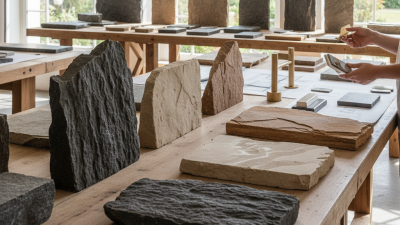
When evaluating PU stone for global sourcing, several key factors come into play. Start with the material's density. Higher density often indicates better durability. A reliable PU stone should resist cracking, even under pressure. Look for samples that showcase their strength. These samples reveal not only durability but also the aesthetic appeal of the stone.
Next, consider the surface finish. A smooth finish often enhances the visual quality, while rough textures may indicate lower quality. Analyze the color consistency across samples. Variations can signal manufacturing issues. The sourcing process should prioritize suppliers with a transparent quality assurance process. This builds trust and reliability.
Be mindful of certifications. They indicate compliance with industry standards, ensuring the product's safety and performance. Suppliers with recognized certifications show a commitment to quality. While price can be enticing, prioritize quality over cost. Choosing the wrong PU stone may lead to regrets and wasted resources. Evaluate all these factors carefully before making your decision.
Best PU Stone for Your Global Sourcing Needs? - Evaluating Quality: What to Look for in PU Stone
| Feature |
Description |
Quality Indicator |
| Density |
Indicates the weight per unit volume of the PU stone. |
Higher density typically means better quality. |
| Texture |
Surface feel and appearance of the PU stone. |
Smooth, uniform texture is preferred. |
| Color Consistency |
Uniformity of color across different batches. |
Consistent color is a sign of high-quality manufacturing. |
| Durability |
Ability to withstand wear, pressure, and damage. |
Longer lasting materials indicate better quality. |
| Water Resistance |
Resistance to moisture and water absorption. |
Higher resistance can signify enhanced durability. |
Applications of PU Stone in Various Industries
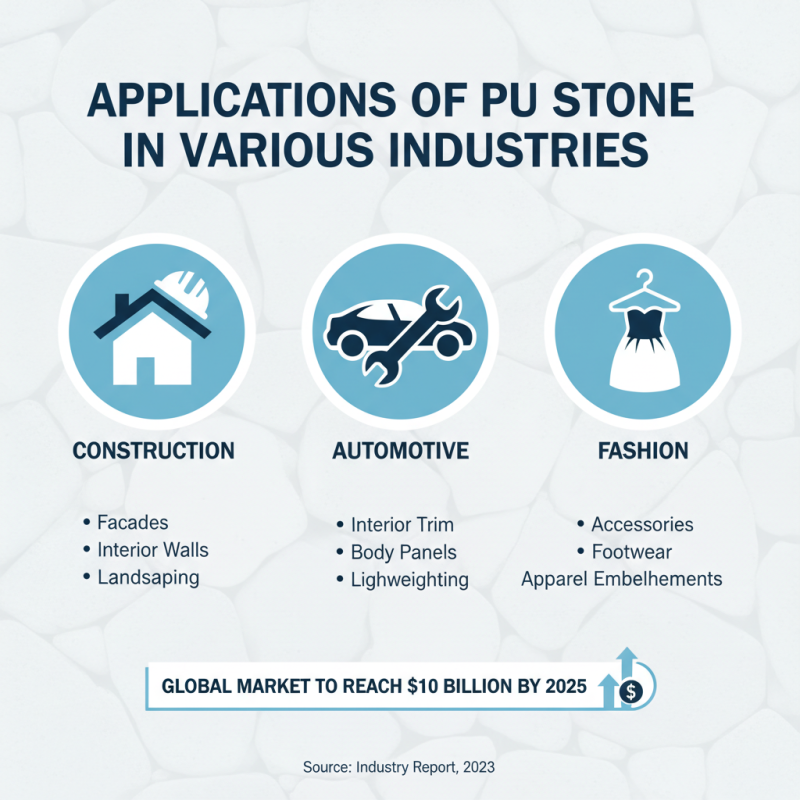
PU Stone, or polyurethane stone, has become increasingly important across various industries. Its versatility is a significant factor. This material is used in construction, automotive, and even fashion. According to a recent industry report, the global PU stone market is projected to reach $10 billion by 2025, indicating strong demand.
In construction, PU stone is valued for its lightweight yet durable properties. It offers an excellent alternative to traditional stone and can significantly reduce transportation costs. Reports highlight that up to 30% lighter than natural stone, PU stone enhances ease of application. In the automotive sector, it provides a robust solution for interior components, giving manufacturers the chance to innovate without compromising on quality.
While PU stone presents numerous advantages, challenges remain. Some manufacturers face issues with long-term durability and environmental impact. Studies reveal that the production process can lead to harmful emissions if not properly managed. Industry experts emphasize the need for sustainable practices, calling for innovation to address these concerns. As demand grows, the pursuit of eco-friendly solutions will be crucial to the future of PU stone.
Sourcing Strategies for Cost-Effective PU Stone Solutions
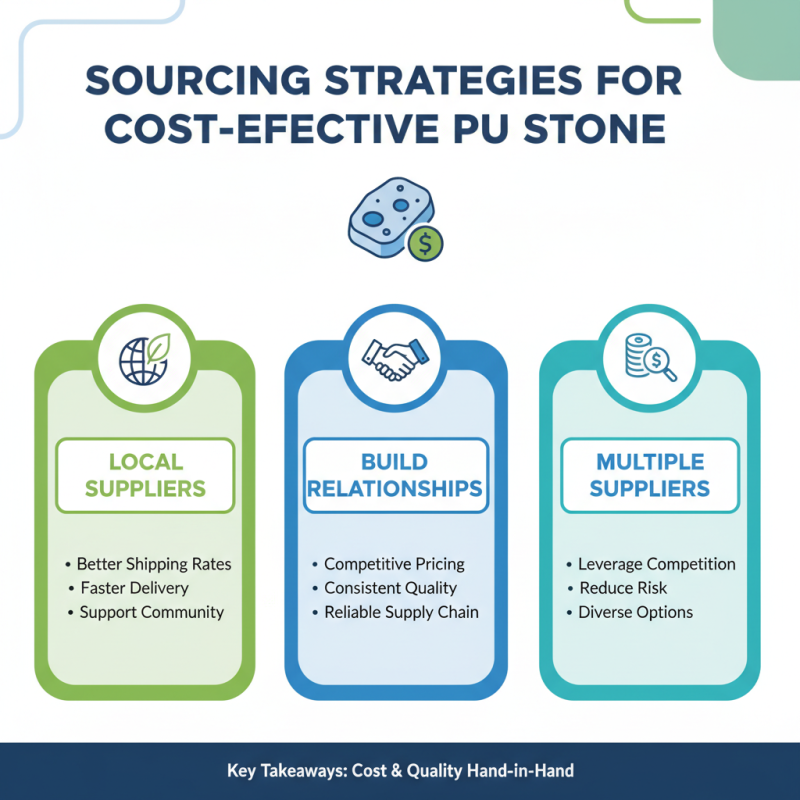
When sourcing PU stone, cost and quality are key. A well-thought-out sourcing strategy can lead to significant savings without sacrificing quality. Consider using local suppliers when possible. They often provide better shipping rates and faster delivery. Additionally, building relationships with multiple suppliers can create competitive pricing.
One effective tip involves negotiating minimum order quantities. Sometimes, suppliers may agree to lower minimums for bulk orders. This can help you source larger quantities at a lower cost. Always compare samples before committing. This ensures you understand the quality standards and aesthetics.
Think critically about your sourcing processes. Are you relying too heavily on a single supplier? Diversifying your sources might mitigate risks. While it can be tempting to trust familiar options, exploring new suppliers might yield better solutions. In doing so, you also foster a broader network to lean on during unexpected shortages or price spikes.