Best Sound Absorbing Panels for Effective Noise Control?
In today's world, creating serene environments is essential. Noise pollution can disrupt focus and diminish well-being. Sound Absorbing Panels are a practical solution for reducing unwanted noise. They come in various designs and materials, making them suitable for different spaces. These panels effectively minimize echoes and enhance sound quality.
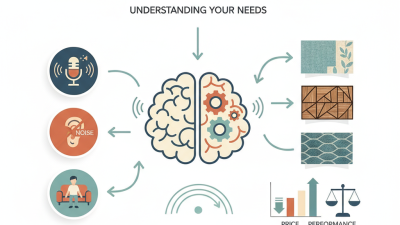
Choosing the right Sound Absorbing Panel requires careful consideration. The effectiveness of a panel depends on its material and thickness. Many options are available, but not all provide the same level of noise control. Understanding your specific needs is crucial. Are you looking to dampen sounds in an office, studio, or home theater?
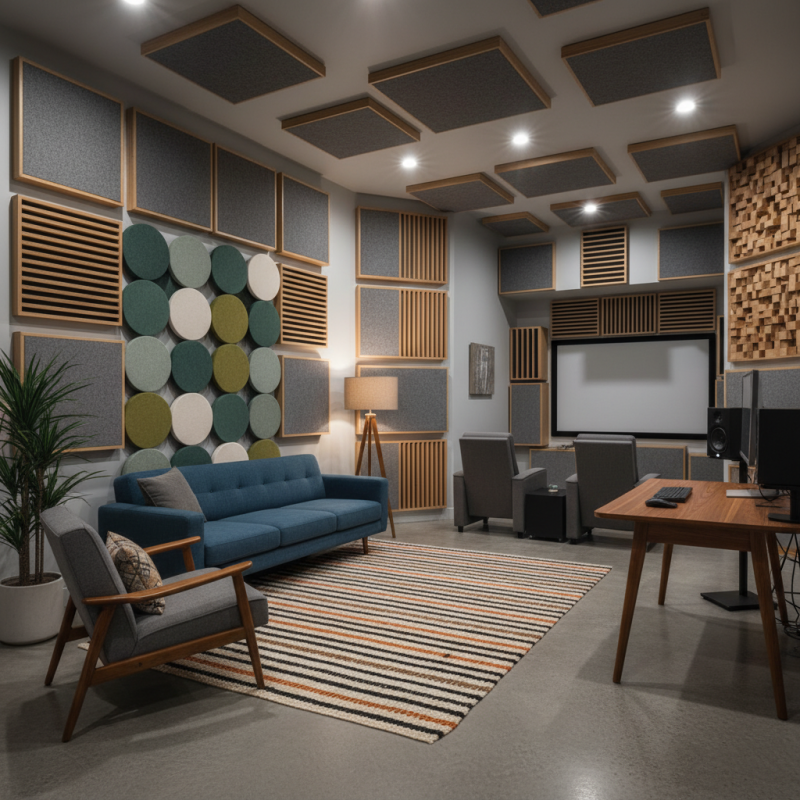
While installing these panels can yield immediate benefits, it's important to reflect on your environment. Sometimes, even the best panels may not completely eliminate noise. Supplementing them with rugs or furniture may be necessary. The journey to an acoustically pleasant space involves trial and error, but the rewards are significant.
Understanding Sound Absorption: Basics and Importance
Sound absorption is a critical aspect of acoustic design. Effective noise control enhances comfort in various spaces. Studies show that poor sound quality can reduce productivity by up to 30%. Proper sound absorption can help manage reverberation and echoes.
The materials used in sound-absorbing panels play a fundamental role. Fabrics, foam, and specialized acoustic tiles can significantly differ in their absorption properties. According to industry standards, panels with a Noise Reduction Coefficient (NRC) of 0.7 or higher can absorb about 70% of sound energy. For larger rooms, strategic placement is essential. It requires thoughtful consideration to position panels where sound waves congregate.
Incorporating sound-absorbing materials into design can yield noticeable improvements. However, not all designs consider the aesthetic impact. A balance between functionality and appearance is necessary. The ongoing challenge is finding solutions that fit budget constraints while effectively managing noise. Adjustments and experiments in panel placement often lead to unexpected results, which may require further exploration and refinement.
Types of Sound Absorbing Panels Available on the Market
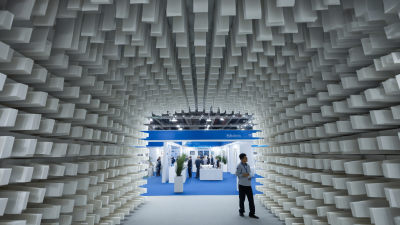
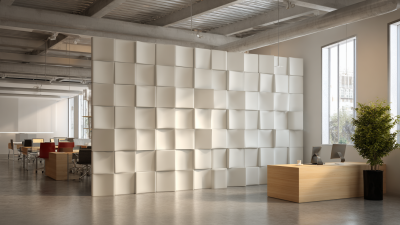
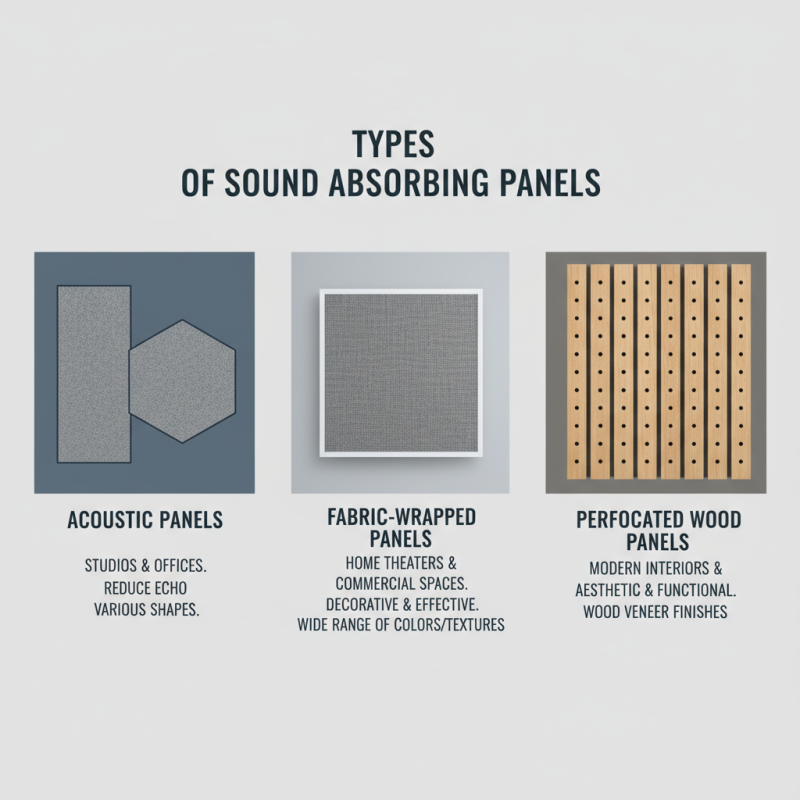
When it comes to controlling noise, understanding the types of sound-absorbing panels available is essential. Acoustic panels, for instance, are widely used in studios and offices to reduce echo. They come in various shapes, including rectangular and hexagonal, which can enhance the aesthetics of a room while serving a functional purpose.
Another popular type is foam panels. These panels are lightweight and easy to install. Made from open-cell polyurethane, they trap sound effectively. They are often used in home theaters or music rooms. Yet, some people struggle with their installation, leading to less effective noise control.
Fabric-wrapped panels are also valuable. They offer a variety of colors and textures, making them visually appealing. They can blend seamlessly into any environment. Still, not all fabrics provide equal sound absorption. Choosing the right fabric requires consideration and research. Achieving optimal noise control often involves testing different panel types in various settings. Some trial and error might be necessary for perfecting your space’s acoustics.
Factors to Consider When Choosing Sound Absorbing Panels
When choosing sound absorbing panels, several key factors come into play. The material used in the panels greatly affects their effectiveness. Common materials include fiberglass, foam, and wood. Each has unique characteristics that influence how they absorb sound. For instance, foam panels are lightweight and easy to install, but may not be as effective as dense materials.
The thickness of the panels also matters. Generally, thicker panels provide better sound absorption. It's essential to consider the space where these panels will be installed. A larger room may require more panels or strategically placed installations to optimize sound control.
Aesthetic appeal is another crucial factor. Sound absorbing panels can come in various colors and designs. Finding a balance between functionality and style is vital. Moreover, installation costs and ease should not be overlooked. While some panels require professional installation, others are designed for DIY enthusiasts. It's worth considering your budget and skill level before making a decision. Sound management is complex, and it's important to reflect on what works best for your specific environment.
Best Sound Absorbing Panels for Effective Noise Control - Factors to Consider When Choosing Sound Absorbing Panels
| Factor |
Importance Level |
Recommended Materials |
Sound Absorption Coefficient (NRC) |
Typical Usage Applications |
| Material Density |
High |
Fiberglass, Foam |
0.75 - 0.95 |
Studios, Home Theaters |
| Thickness |
Medium |
Mineral Wool, Polyester |
0.60 - 0.90 |
Offices, Schools |
| Surface Finish |
Low |
Fabric-Wrapped, Perforated |
0.50 - 0.80 |
Conference Rooms, Auditoriums |
| Aesthetics |
Medium |
Custom Printed, Colored Panels |
0.55 - 0.85 |
Restaurants, Retail Spaces |
| Installation Method |
High |
Adhesive, Hook-and-Loop |
Varies |
Home, Personal Spaces |
Top Brands for High-Quality Sound Absorbing Panels
When it comes to sound absorption, the choice of panels makes a huge difference. The right panels can significantly reduce echo and background noise. High-quality sound absorbing panels are essential in various settings, from home studios to offices. They enhance clarity in conversation, making spaces more functional and enjoyable.
Several top brands offer unique options tailored to different needs. Some panels feature innovative designs, blending aesthetics with performance. Look for products made from sustainable materials. These elements not only absorb sound but also promote a healthy environment. Consider thickness and density when selecting panels. Thicker panels generally offer better absorption.
While many products boast high ratings, not all will suit every situation. User experiences can vary greatly. It's crucial to test panels in your space. Take time to reflect on your specific needs. Make sure the selected panels meet your standards for both performance and design. With careful selection, sound absorbing panels can transform any room.
Installation Tips for Maximum Noise Control Efficiency
When it comes to controlling noise, proper installation of sound-absorbing panels is crucial. The placement of your panels can significantly impact their effectiveness. It’s important to assess the layout of your space. Identify areas where sound reverberates the most. These spots can be walls, ceilings, or even corners.
**Tips for effective installation:**
1. Mount panels at ear level. This height optimizes their sound-absorbing capabilities during daily activities.
2. Use multiple panels to cover large surfaces. This approach reduces sound reflection more effectively than single panels.
3. Experiment with different arrangements. Try spaced placement versus clustered installation to see what works best for your space.
Pay attention to material quality too. Some panels provide higher absorption rates than others. It may take time to find the best fit. If possible, consult an expert for guidance. They can help you select the right panels. Don’t underestimate the impact of panel texture and color on your space’s aesthetic. Reflecting on these details can lead to a more harmonious environment.
Best Sound Absorbing Panels for Effective Noise Control
This chart illustrates the sound absorption coefficients of various materials commonly used in sound absorbing panels. Higher values indicate better sound absorption efficiency, which is crucial for effective noise control in various settings.