China Top Interior Design Trends for Global Buyers?
As the global market evolves, the trends in Interior Design in China capture significant attention. Leading expert, Yifan Liu, emphasizes, "Design reflects the culture and identity of a space." This statement resonates deeply with buyers seeking unique aesthetics and functionality. Each design trend tells a story, resonating with both local heritage and modern tastes.
In today’s fast-paced world, buyers crave authenticity in their spaces. Minimalism continues to dominate, yet warmth and personalization are essential. Bold colors are making a comeback, creating vibrant environments. Textures play an important role too, adding depth and interest to spaces. However, these trends aren't without challenges. Traditional elements sometimes clash with contemporary styles, leading to design dilemmas.
This fusion of old and new pushes designers to rethink their approach. Sustainability remains vital, but implementation can be tough. Every buyer must consider their preferences and create a balance. Ultimately, successful Interior Design is more than aesthetics; it reflects values and vision. Embracing this complexity can lead to innovative outcomes in Chinese interiors.
Emerging Color Palettes Influencing Chinese Interior Design Trends
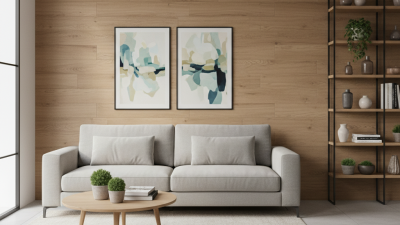
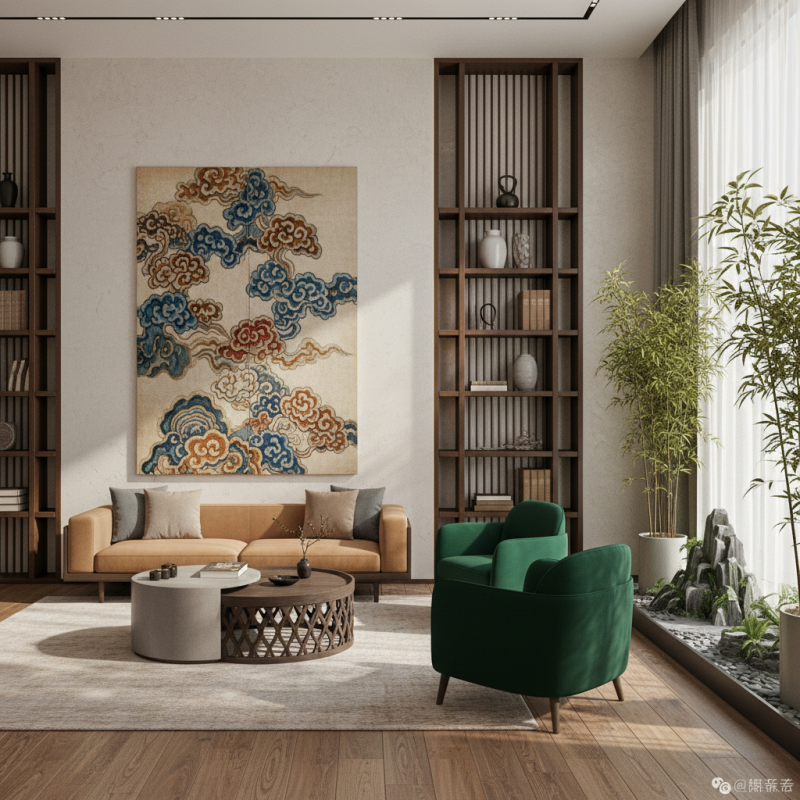
Emerging color palettes are shaping the landscape of Chinese interior design. According to a recent report by the Chinese Society of Interior Designers, over 70% of designers prioritize color trends. The shift towards minimalism, influenced by Zen aesthetics, sees soft palettes dominating. Shades like pastel blues and earthy greens are popular choices. These colors promote tranquility and harmony in living spaces.
Data indicates a growing interest in bold accents, with 40% of homeowners opting for vibrant hues such as deep reds and rich yellows. These touches bring warmth and energy. However, the challenge lies in balancing these intense colors with neutral tones. This creates an inviting atmosphere without overwhelming the senses.
There is a noticeable movement towards sustainable materials as well. Biophilic design, which emphasizes natural elements, is becoming crucial. Designers now incorporate color schemes inspired by nature, enhancing well-being. A survey found that 60% of consumers prefer eco-friendly products. But, achieving this balance requires ongoing reflection and adaptation from designers. They must consider both aesthetic appeal and environmental impact, which can be challenging.
China Top Interior Design Trends for Global Buyers
Integration of Traditional and Modern Elements in Interiors
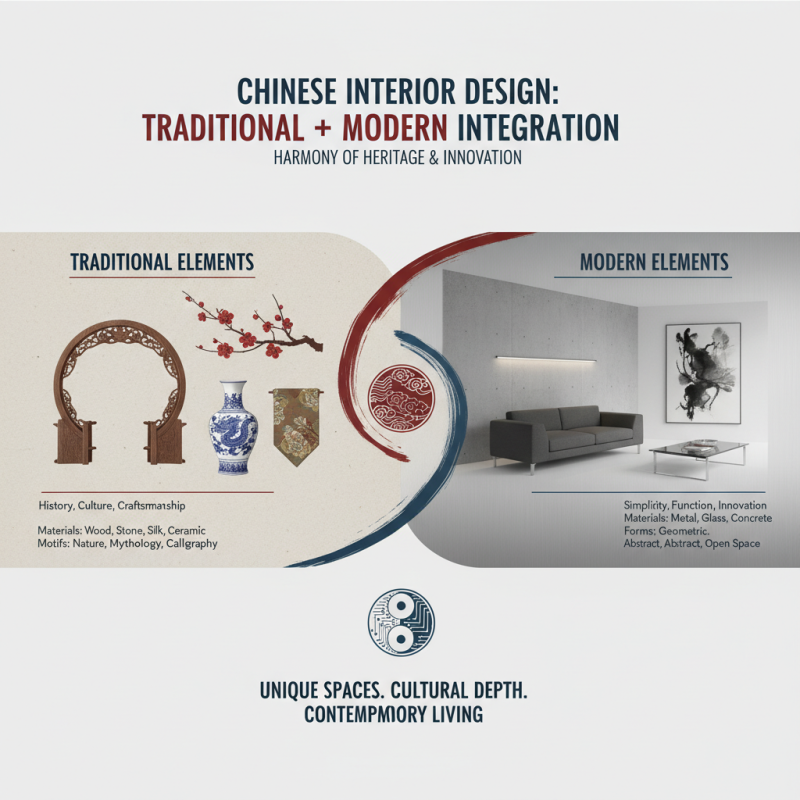
The integration of traditional and modern elements is a significant trend in Chinese interior design. It reflects a deep appreciation for history while embracing contemporary aesthetics. This synthesis creates unique spaces that resonate with both cultural heritage and modern living.
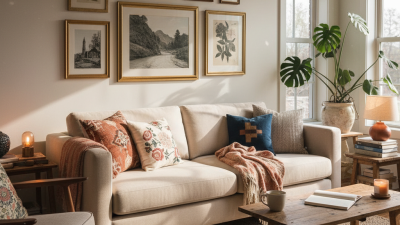
In many interiors, you can spot traditional Chinese motifs, like intricate wood carvings and silk textiles. These elements blend seamlessly with sleek, modern furniture and minimalistic designs. For example, a living room might feature a classic Chinese tea set displayed on a modern coffee table. This juxtaposition sparks curiosity and engages the senses.
However, this trend isn't without its challenges. Striking the right balance can be difficult. Too much modernity can overshadow cultural elements. Conversely, an overload of traditional pieces may render a space outdated. Homeowners must tread carefully to create environments that feel cohesive and inviting. The journey is as important as the destination in achieving a harmonious blend.
Sustainable Materials: A Rising Trend in China's Interior Design
Sustainable materials are rapidly transforming China's interior design landscape. A recent report by the China Interior Design Association highlighted that over 75% of designers now prioritize eco-friendly options. This shift is driven by rising consumer demand for sustainability. Buyers are becoming more environmentally conscious and prefer designs that reduce carbon footprints.
Bamboo, reclaimed wood, and recycled metals are gaining popularity. These materials not only offer a unique aesthetic but also promote a circular economy. According to a 2022 study, bamboo can grow up to three feet in just 24 hours, making it a renewable resource. However, sourcing these materials can be challenging. Many designers face hurdles in guaranteeing their sustainability claims.
Innovative solutions are emerging. For instance, some companies are experimenting with biocomposite materials that integrate natural fibers with plant-based resins. Yet, the market is still evolving, and not all options are fully refined. There is room for improvement in material sourcing and certification processes. As trends continue to evolve, maintaining reliability in sustainable practices will remain a critical focus for the industry.
Technological Innovations Shaping Smart Home Design in China
In recent years, smart home technology has profoundly influenced interior design trends in China. The integration of automated systems enhances both functionality and aesthetics. Homeowners often seek to create spaces that are not only beautiful but also efficient. This shift emphasizes a balance between modern design and innovative technology.
With the rise of artificial intelligence, homes are becoming more intuitive. Smart lighting controls vary the ambiance throughout the day. Voice-activated assistants manage everything from temperature to security systems. Homeowners can customize their environments with ease. However, it can be overwhelming to navigate the rapidly evolving tech landscape.
Tips: Opt for modular smart devices. They allow flexibility when upgrading systems. Consider user-friendly interfaces. This reduces the learning curve for your family. Embrace trial and error when choosing technologies. Some solutions may not fit all lifestyles perfectly.
Incorporating technology doesn't mean sacrificing design. Today's interiors blend minimalism with clever tech integrations. Thoughtful placement of devices enhances the overall aesthetic. Yet, not all tech solutions are seamless. Homeowners should reflect on their actual needs versus trends. Prioritize comfort and usability every time.
Cultural Influences Driving Unique Interior Styles in China
China's interior design landscape is deeply influenced by its rich cultural heritage. Traditional elements merge with modern aesthetics to create unique environments. For instance, the use of natural materials reflects a connection to nature. Bamboo and wood are popular choices, providing warmth and sustainability.
Colors play a significant role in Chinese design. Vibrant reds and golds symbolize good fortune and prosperity. These hues often appear in textiles and wall treatments. However, balancing these bold colors can be challenging. Many designers struggle to incorporate them without overwhelming the space. Minimalism offers a solution, providing calm alongside cultural expression.
Cultural symbols, such as dragons and lotus flowers, add depth to decor. They tell stories and evoke emotions. Yet, some may find these symbols too traditional for modern tastes. The challenge lies in integrating these symbols in a contemporary way. This struggle is part of the evolving nature of Chinese interior design. It requires ongoing reflection and adaptation from designers and buyers alike.