Why Choose Bamboo Charcoal Panel for Your Home?
Bamboo Charcoal Panels are becoming a popular choice for home interior design. Mark Thompson, an expert in eco-friendly building materials, states, "Bamboo charcoal offers unmatched benefits for healthier living." This innovative product combines sustainability with functionality.
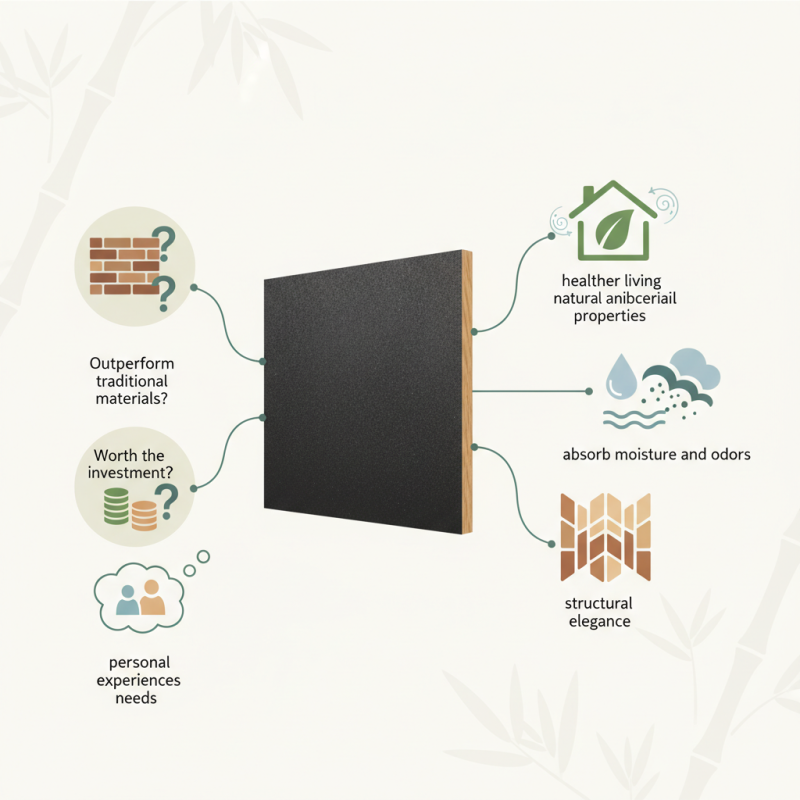
The structural elegance of Bamboo Charcoal Panels is appealing. They come with natural antibacterial properties, enhancing air quality. Many homeowners appreciate their ability to absorb moisture and odors. However, some might wonder if these panels can truly outperform traditional materials.
While many rave about their advantages, it's important to reflect on personal experiences. Are Bamboo Charcoal Panels really the answer to your needs? Is it worth the investment? These questions deserve careful consideration before making a decision.
Benefits of Bamboo Charcoal Panels in Home Design
Bamboo charcoal panels offer various advantages for home design. Firstly, they are eco-friendly. Unlike synthetic materials, bamboo is a renewable resource. This makes it a sustainable choice. Homes designed with bamboo products often reflect a commitment to the environment.
In addition, bamboo charcoal panels exhibit excellent moisture regulation. They can absorb excess humidity, creating a more comfortable living space. This property helps combat mold and mildew. Many homeowners appreciate this natural benefit, especially in humid climates. The panels also help purify the air by absorbing odors and toxins.
While bamboo charcoal panels are valuable, they may require maintenance. Homeowners must ensure panels remain dry. Otherwise, they could lose some effectiveness. Additionally, their aesthetic appeal varies based on personal taste. Not everyone may appreciate the unique look of bamboo. Making the right choice for home design requires careful thought.
Environmental Impact of Bamboo Charcoal as a Sustainable Material
Bamboo charcoal panels are increasingly popular for eco-conscious homeowners. Bamboo is a fast-growing plant. It requires little water and no pesticides. This makes it a highly sustainable option. Unlike traditional wood, bamboo can be harvested in just a few years.
The production of bamboo charcoal is relatively low-impact. It uses carbonization, which turns bamboo into charcoal at high temperatures. This process releases fewer pollutants compared to other materials. However, we should consider the environmental costs of transportation. Bamboo often travels long distances before reaching our homes. This can negate some of its sustainability benefits.
Using bamboo charcoal panels can improve indoor air quality. They absorb moisture and reduce odors effectively. Yet, one needs to be aware of potential mislabeling. Not all bamboo products share the same eco-friendly attributes. It's essential for consumers to research and choose wisely. Sustainable choices require diligence and awareness.
Why Choose Bamboo Charcoal Panel for Your Home? - Environmental Impact of Bamboo Charcoal as a Sustainable Material
| Aspect |
Description |
Benefits |
| Material Source |
Bamboo is a rapidly renewable resource, growing up to 3 feet in a single day. |
Sustainable, reduces deforestation pressures. |
| Carbon Absorption |
Bamboo charcoal absorbs CO2, helping to mitigate climate change. |
Contributes to lower carbon footprint. |
| Air Purification |
Bamboo charcoal panels naturally purify indoor air by absorbing toxins and odors. |
Improves indoor air quality, promoting health. |
| Moisture Control |
Bamboo charcoal regulates humidity levels by absorbing excess moisture. |
Prevents mold and mildew growth. |
| Durability |
Bamboo charcoal is highly durable and resistant to degradation. |
Long-lasting, reduces the need for frequent replacements. |
| Non-Toxic |
Free from harmful chemicals, making it safe for indoor use. |
Ideal for homes with children and pets. |
Health Advantages of Using Bamboo Charcoal in Indoor Spaces
Indoor air quality can significantly impact health. Bamboo charcoal panels improve this quality. They have been shown to absorb moisture and pollutants. Studies indicate that these panels can reduce harmful volatile organic compounds (VOCs) by up to 70%. This reduction leads to fewer allergens and irritants in the air around us.
Bamboo charcoal also has antibacterial properties. Research highlights its ability to inhibit the growth of certain bacteria by nearly 90%. This is especially beneficial for homes with children or individuals with respiratory issues. The natural properties of bamboo charcoal effectively create a healthier indoor environment.
While using bamboo charcoal is advantageous, it might not completely eliminate all pollutants. Regular ventilation is still necessary to maintain optimal air quality. But incorporating these panels can significantly enhance your living space's health profile.
Moreover, the porous structure of bamboo charcoal helps with odor absorption. This feature ensures your home smells fresh. However, some homeowners might not notice an immediate difference. It takes time for the panels to fully absorb contaminants. Understanding this can lead to more realistic expectations. It's essential to consider the limitations alongside the advantages.
How to Properly Install Bamboo Charcoal Panels in Your Home
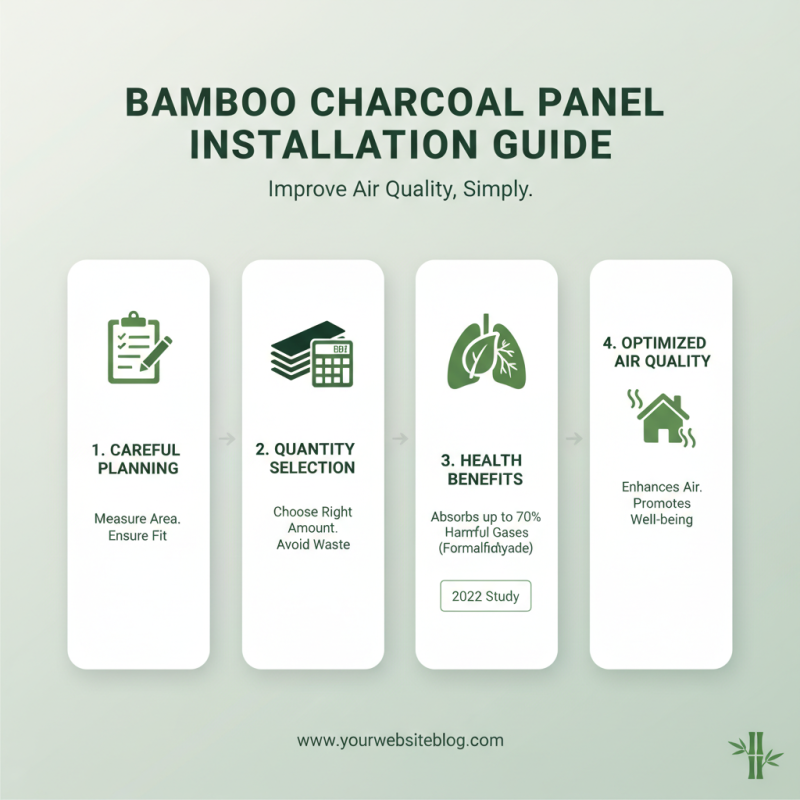
Installing bamboo charcoal panels in your home can be straightforward. Begin with careful planning. Measure the area where the panels will go. This ensures they fit perfectly. It’s essential to choose the right quantity. A 2022 study indicated that bamboo charcoal can absorb up to 70% of harmful gases like formaldehyde. Proper installation enhances this benefit, optimizing air quality.
Before installation, clean the wall surfaces. Dust and dirt can prevent effective adhesion. Use strong adhesive or screws, depending on the panel type. Make sure to align the panels correctly. Gaps can reduce effectiveness. Odd placements can cause aesthetic issues too. Surveys show that many homeowners overlook this aspect, leading to a less pleasing look.
After installing, let the panels settle. Weak bonds might appear initially. It's crucial to check for stability regularly. The performance of these panels can diminish if not properly secured. Inadequate mounting may result in discomfort or subtle odors resurfacing. In some cases, improper installation can lead to wasted resources and effort. As data suggests, user feedback highlights the importance of ensuring a secure fix for long-term benefits.
Comparative Analysis: Bamboo Charcoal Panels vs. Traditional Materials
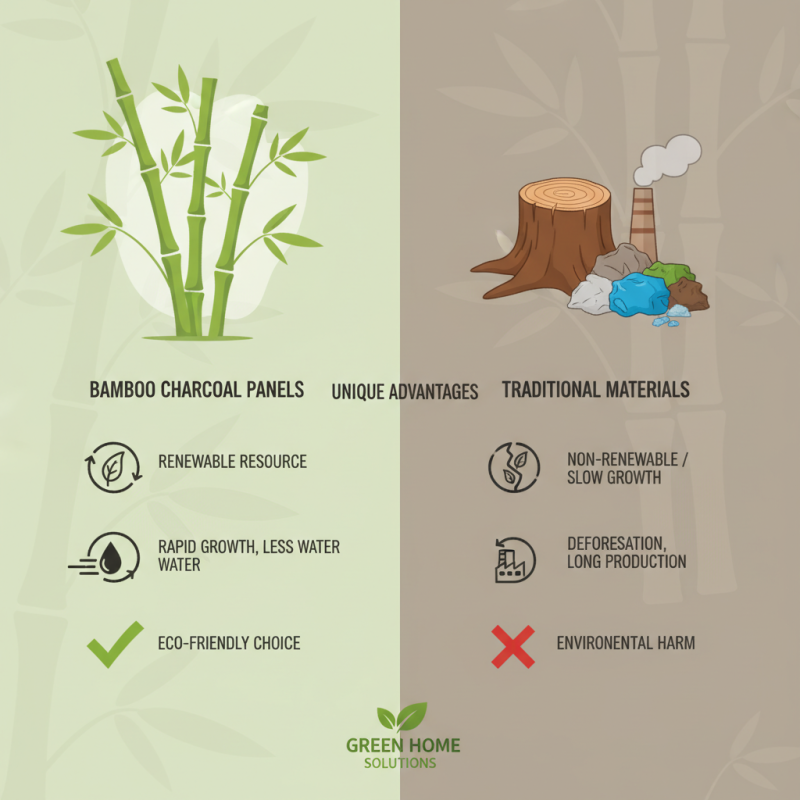
Bamboo charcoal panels offer unique advantages over traditional materials. They are made from renewable resources, unlike conventional woods or plastics. Bamboo grows rapidly and requires less water, making it an eco-friendly choice. In contrast, traditional materials often involve deforestation and long production processes that harm the environment.
Bamboo charcoal panels excel in air purification. They naturally absorb moisture and odors, improving indoor air quality. Traditional materials, such as drywall or concrete, can trap allergens and pollutants. However, bamboo charcoal panels may not be as durable in high-impact environments. Homeowners should consider their specific needs. A balance between durability and sustainability is essential.
While bamboo charcoal has many benefits, it's not without drawbacks. It may require additional treatments to maintain its appearance and performance. Some might find the texture less refined than wood or metal surfaces. Nevertheless, the positive environmental impact remains a compelling reason to choose bamboo charcoal panels. They invite a reflection on sustainable living while enhancing home aesthetics.