How to Choose the Best PVC Marble Panel for Your Project?
When embarking on a construction or renovation project, selecting the right materials is crucial. The demand for PVC marble panels has surged in recent years, with a market growth rate of 7.4% annually, as reported by the Global Marble Panel Association. These panels provide an affordable and versatile alternative to natural marble. Expert Michael Chen, a leading authority in the PVC panel industry, states, "Choosing the right PVC marble panel can significantly enhance a space's aesthetic and functionality."
PVC marble panels are renowned for their durability and ease of maintenance. Unlike traditional marble, they resist stains and can withstand various environmental conditions. However, variability in quality can create confusion for buyers. Many products on the market may not meet industry standards. This inconsistency highlights the need for thorough research and expert consultations.
Project managers and homeowners alike must prioritize quality over cost. Investing in superior PVC marble panels can lead to long-term benefits. Choosing wisely not only affects the project outcome but also the overall satisfaction. Understanding the nuances of PVC marble panel options ensures a successful and visually appealing result.
Understanding PVC Marble Panels: Composition and Variants
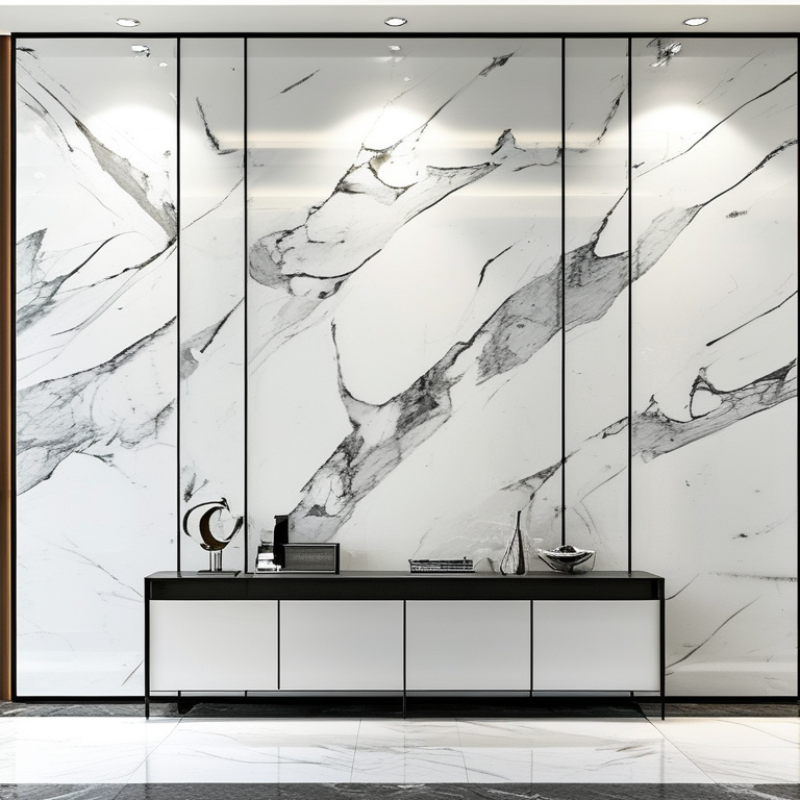
PVC marble panels have gained popularity for their aesthetic appeal and practicality. They are made from polyvinyl chloride, a durable plastic widely used in construction and design. The composition often includes a blend of additives and stabilizers to enhance performance and mimic the look of natural marble. Research indicates that nearly 70% of consumers prefer alternatives that offer lower maintenance and cost savings without sacrificing style.
When exploring variants, there are several types available. Some panels feature a glossy finish, while others provide a matte look. Thickness can range from 3mm to 8mm, impacting both appearance and structural integrity. A recent report highlighted that 65% of architects choose PVC panels for commercial projects due to their lightweight properties and ease of installation. However, the quality varies significantly among manufacturers, leading to potential issues in long-term performance.
Considering the environmental impact is also crucial. While PVC is recyclable, the production process can be energy-intensive. Moreover, some panels may release harmful chemicals over time. It is essential to weigh these factors against the benefits. Engaging with certified suppliers can help ensure that the materials chosen meet safety standards.
Key Factors in Selecting PVC Marble Panels for Durability and Aesthetics
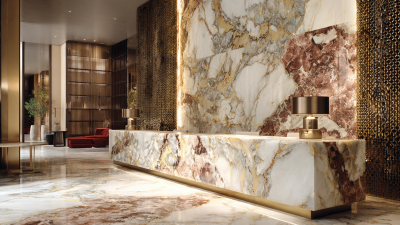
When selecting PVC marble panels, durability and aesthetics are paramount. Start by assessing the thickness and quality of the panels. Thicker panels often offer better resistance to wear and tear. They tend to last longer in high-traffic areas. Aesthetics play a significant role too. Choose finishes that resemble natural stone if you aim for a luxurious look.
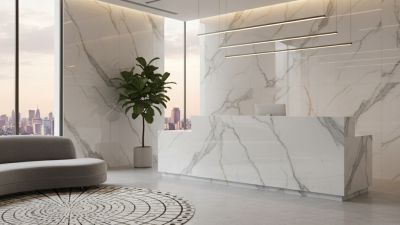
Consider the color options available. Neutral tones can create an elegant backdrop, while bold colors make a statement. Be mindful of the patterns as well; too busy designs may overwhelm a space. Quality matters. Always check for UV resistance. Panels that fade quickly can detract from the overall beauty of your project.
Installation is another key factor. Ease of installation can save both time and costs. Look for interlocking systems as they simplify the process. However, not all panels fit perfectly. This might cause alignment issues. It's more important than you think. Bad alignment can lead to future repairs. Each selection aspect can impact your project's outcome. Choose wisely.
Comparative Analysis of PVC Marble Panels Attributes
Evaluating Cost vs. Quality: Industry Insights on PVC Panel Pricing
When selecting PVC marble panels for a project, understanding the cost versus quality is crucial. Many assume that lower prices mean lower quality, but that's not always true. Some manufacturers offer competitive prices without compromising on durability and aesthetics. Investigate the materials used. High-quality panels often contain better additives, enhancing longevity.
Pricing can be puzzling. A panel that seems expensive might save costs in the long run due to its durability. Conversely, cheaper options could lead to frequent replacements and repairs. Look for detailed specifications. These documents provide insight into performance metrics and longevity.
Consider the project requirements. High foot traffic areas require more robust materials. Aesthetic appeal is vital in residential spaces. It's all about balance. You might find a panel that looks great but lacks durability. When the options present conflicting attributes, reflection is needed. Weigh your priorities carefully, as the right choice will depend on individual project demands.
Installation Techniques for PVC Marble Panels: Best Practices Revealed
When working with PVC marble panels, proper installation is essential for achieving a polished look. Industry reports indicate that careful preparation can reduce installation time by up to 30%. Start by ensuring that the surface is clean and dry. Any moisture can lead to adhesive failure, which may compromise the integrity of your installation.
Tips: Always check your tools before starting. A good cutter and strong adhesive can make a significant difference.
Align panels accurately to avoid gaps. Misalignment not only affects aesthetics but may also lead to structural weaknesses. Studies show that improperly installed panels can lead to an average increase of 15% in replacement costs. This underscores the importance of meticulous installation practices.
Tips: Use spacers for consistent gaps. This simplifies your work and improves the final appearance.
Remember that even minor imperfections during installation can lead to long-term issues. Regularly evaluate your work to ensure it meets your standards. Attention to detail is key in any project involving PVC marble panels.
How to Choose the Best PVC Marble Panel for Your Project? - Installation Techniques for PVC Marble Panels: Best Practices Revealed
| Dimension |
Material Thickness |
Application Area |
Installation Technique |
Maintenance Tips |
| 2440mm x 1220mm |
3mm |
Interior Walls |
Glue Method |
Wipe with Damp Cloth |
| 3050mm x 1220mm |
5mm |
Commercial Spaces |
Clip System |
Avoid Harsh Chemicals |
| 2500mm x 1200mm |
4mm |
Residential Areas |
Seamless Installation |
Regular Dusting |
| 3000mm x 1500mm |
6mm |
Bathroom Spaces |
Stucco Installation |
Simple Soap and Water |
Sustainability Considerations: The Environmental Impact of PVC Panels
When selecting PVC marble panels for a project, consider their environmental impact. PVC, or polyvinyl chloride, is a popular material but raises sustainability concerns. The production process can release harmful chemicals. This has drawn criticism from environmentalist groups.
The lifespan of PVC panels is a double-edged sword. They can last for many years, reducing the need for frequent replacements. However, disposal can be problematic. Recycling options for PVC are limited, and improper disposal can lead to pollution.
It's important to weigh the aesthetic benefits against the ecological footprint. While PVC panels can mimic natural materials and provide a sleek finish, their environmental costs are significant. Thoughtful consideration of sourcing and end-of-life management can improve sustainability. Engaging with suppliers who prioritize eco-friendly practices may help mitigate some effects.
Choosing wisely can influence not only your project but also broader environmental goals.