Why Choose Ceiling Panels for Your Home Renovation?
When considering home renovations, the choice of materials is crucial. Ceiling panels offer a blend of aesthetics and functionality. According to the market analysis by Grand View Research, the global ceiling panel market is expected to reach $3.2 billion by 2028. This growth reflects a rising demand for stylish and efficient home solutions.
Expert Alex Johnson of the Ceiling Panel Association emphasizes, "Ceiling panels are not just an afterthought; they can redefine your space." Many homeowners overlook the impact of ceiling design. Yet, ceiling panels can enhance insulation, improve acoustics, and increase energy efficiency.
Beyond their practical benefits, ceiling panels come in various designs. They can complement any room style, adding both elegance and personalization. However, it's worth noting that not all ceiling panels are created equal. Implementing the wrong type can lead to maintenance issues or aesthetic mismatches. A thoughtful approach to selection is essential.

Benefits of Using Ceiling Panels in Home Renovation Projects
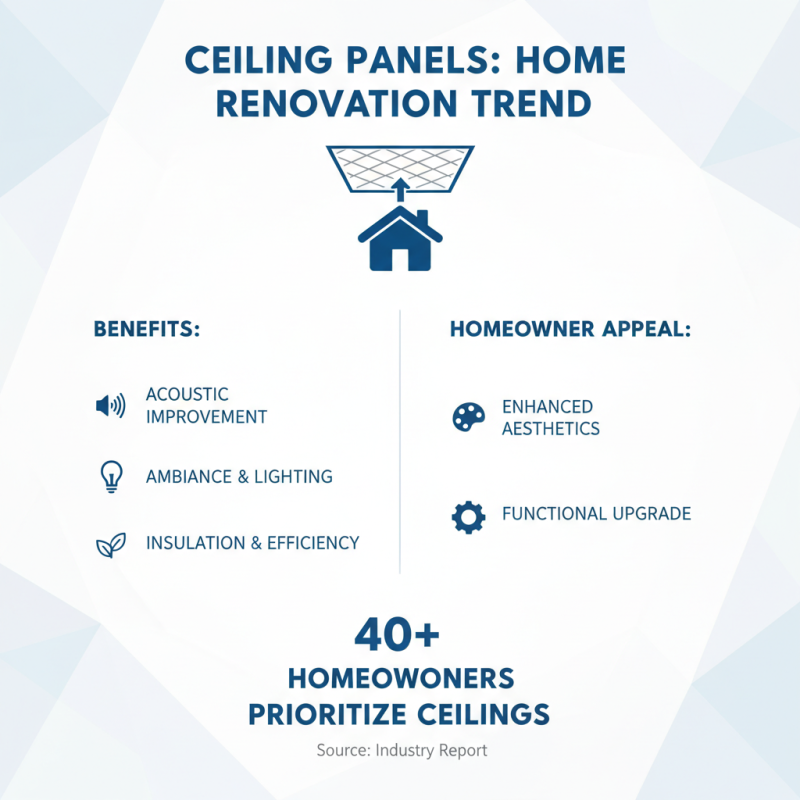
Ceiling panels are gaining popularity in home renovation projects. They offer a variety of benefits that homeowners find appealing. According to a recent industry report, over 40% of homeowners consider ceilings as a key area for improvement. This trend highlights the importance of aesthetics and functionality in home design.
One primary benefit of ceiling panels is their ability to enhance insulation. Studies suggest that high-quality panels can reduce energy costs by up to 20%. This energy efficiency is attractive to many homeowners, especially in regions with extreme temperatures. Additionally, these panels can improve the acoustics of a room. Rooms with ceiling panels typically experience lower noise levels, creating a comfortable space.
While ceiling panels have many advantages, they also come with challenges. Installation can be complex, and not every homeowner may be equipped to handle the task. Moreover, the long-term durability of cheaper materials often raises concerns. Homeowners must carefully weigh their options, considering both the cost and potential maintenance needed. The balance between aesthetics and practicality remains a topic of discussion among renovation enthusiasts.
Different Types of Ceiling Panels Available for Home Use
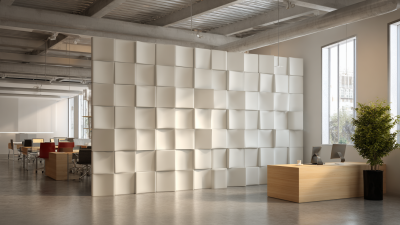
When considering ceiling panels for your home, various types serve different styles and functions. Acoustic panels reduce noise levels and improve sound quality in any room. They come in various textures and colors. These panels can enhance both aesthetics and comfort.
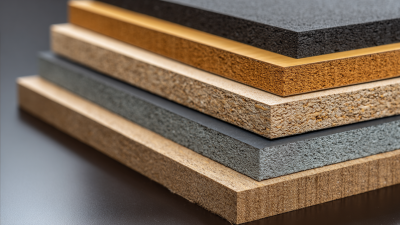
White drop ceiling tiles are popular in basements. They offer a clean look and are easy to install. You can paint them to match your decor. Wood panels provide a warm, natural feel. They’re suitable for living spaces or dining areas, adding character.
Tip: Consider the purpose of each room before selecting ceiling panels. A cozy bedroom may benefit from softer, acoustic options, while a modern kitchen might look great with sleek, shiny tiles.
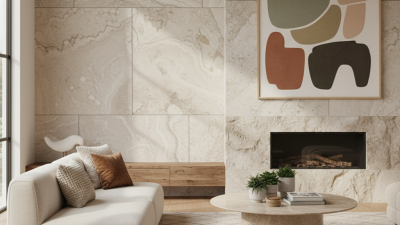
Vinyl panels are waterproof. They’re ideal for bathrooms or kitchens. Easy to clean and maintain, their designs can mimic stone or wood. However, they can warp in extreme heat. Always check installation guidelines.
Tip: Measure your space carefully to avoid ordering too much or too little. This can save costs and prevent material waste. Remember, not all panels are meant for every ceiling height or slope. Test samples first to ensure a good fit before committing.
Ceiling Panels for Home Renovation
This chart illustrates the popularity of different types of ceiling panels commonly used in home renovations. PVC panels lead with 30%, followed by gypsum and wood panels, showing diverse preferences among homeowners.
How Ceiling Panels Improve Aesthetics and Ambiance
Ceiling panels can transform a room’s ambiance and aesthetics significantly. They are not just functional; they elevate style. According to a recent industry report, homes with enhanced ceiling designs can see an increase in property value by up to 15%. This impact makes them an attractive choice for renovations.
The texture and color of ceiling panels can change how light interacts with a space. For example, dark colors can create a cozy vibe, while lighter shades can make a room feel expansive. Additionally, ceiling panels can reduce unwanted noise. A study by the Acoustic Society reveals that appropriate acoustic treatments can decrease noise levels by 30%, facilitating a more peaceful environment.
Tip: When selecting panels, consider the height of your ceiling. Lower ceilings benefit from lighter panels, while higher ceilings can handle more dramatic designs and colors. Ensure that the style complements your overall decor for a cohesive look. Perhaps include varying surfaces, like tiles and wood, to introduce depth and interest.
Remember, not every choice will be perfect. It's essential to reflect on how different materials affect your room's energy. Are you choosing aesthetics over practicality? Take time to evaluate your options thoroughly.
Cost-Effectiveness of Ceiling Panels Compared to Other Materials
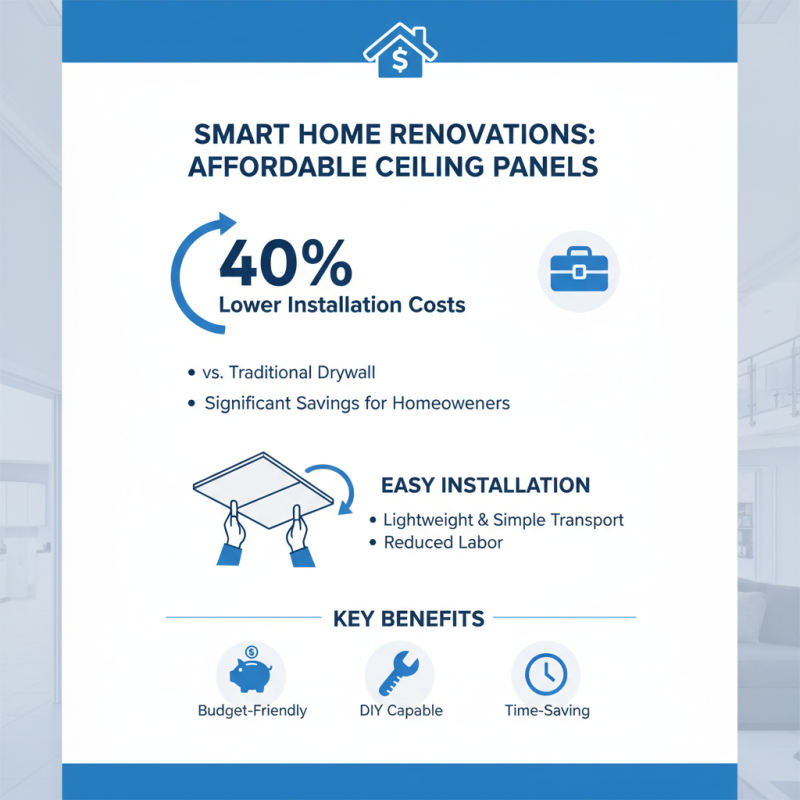
Ceiling panels present an affordable solution for home renovations. Studies show that they can reduce installation costs by up to 40% compared to traditional drywall. This significant savings makes ceiling panels an attractive option for budget-conscious homeowners. Their lightweight nature also simplifies transportation and installation, reducing labor costs further.
Additionally, ceiling panels often offer better energy efficiency. According to the Department of Energy, well-insulated ceiling systems can lead to a 30% reduction in energy bills. This is crucial when considering the long-term financial benefits of your renovations. However, homeowners must remain aware that not all panels provide equal insulation. Some may not meet energy performance expectations, leading to potential regret later on.
Furthermore, selection is key. Different materials may vary greatly in durability and style. While some panels are visually appealing, they might not withstand moisture well. Homeowners should research options thoroughly to avoid future disappointment. The balance between cost and quality deserves careful consideration. Ultimately, thoughtful choices can enhance both comfort and savings in your home renovation journey.
Installation Process and Maintenance Tips for Ceiling Panels
When considering ceiling panels for your home, understanding the installation process is crucial. Start by measuring your ceiling to determine the square footage. You’ll need scissors, a level, and adhesive as basic tools. Make sure to wear safety gear and prepare the area for a clean installation. Cut the panels to fit around light fixtures or vents. This is often where things get tricky—ensuring those cuts are precise takes practice.
Once you’ve made the cuts, ready the adhesive according to the instructions. Apply it evenly on the back of the panels. Press firmly against the ceiling, aligning them correctly. It’s easy to misalign panels, which can lead to gaps. Be patient; adjusting them while the adhesive is fresh can save you from regrets later.
Maintenance of ceiling panels involves simple cleaning. Dust them regularly with a microfiber cloth. For stains, a mild detergent works well. However, watch for discoloration. Some materials may fade over time, which might require touch-ups. Not every panel remains pristine forever, and this is part of the journey. Embrace the imperfections and consider them as character markers in your home’s story.
Why Choose Ceiling Panels for Your Home Renovation? - Installation Process and Maintenance Tips for Ceiling Panels
| Aspect |
Details |
| Material Options |
PVC, Wood, Metal, Gypsum |
| Benefits |
Sound insulation, Aesthetics, Easy installation |
| Installation Time |
1-5 days depending on area and complexity |
| Maintenance Frequency |
Every 6-12 months |
| Common Maintenance Tips |
Dust regularly, use damp cloth for stains, check for damage |
| Installation Tools Needed |
Drill, Level, Measuring tape, Safety goggles |