How to Choose Acoustic Panels for Your Home or Office?
Choosing the right acoustic panels for your home or office is crucial. The quality of sound affects comfort and productivity. John Doe, an industry expert with over 20 years of experience, states, "Selecting the right acoustic panel can transform a noisy space into a sanctuary." This insight highlights the importance of thoughtful choices.
Acoustic panels come in various materials, shapes, and sizes. Each option serves different acoustic needs. It’s essential to consider the specific environment. For instance, an office may demand panels that reduce echo, while a home theater might focus on sound absorption. Ignoring your unique requirements may lead to ineffective solutions.
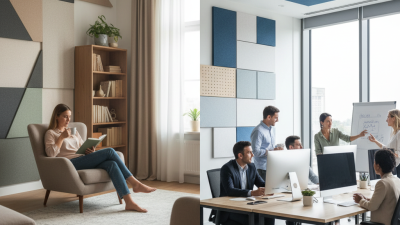
Don't overlook aesthetic value, either. Panels can enhance the decor while improving sound quality. However, balancing style and functionality is challenging. Experimenting with different designs could lead to unexpected results. Choosing the right acoustic panel is not just about numbers and specs; it’s about creating the best experience in your space.
Understand the Importance of Acoustic Panels in Space Design
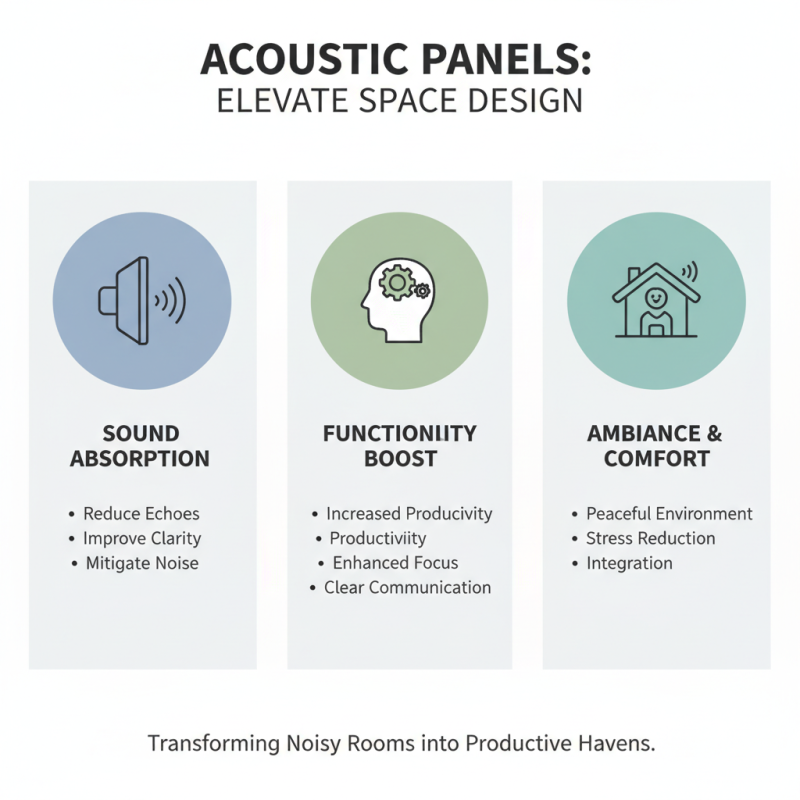
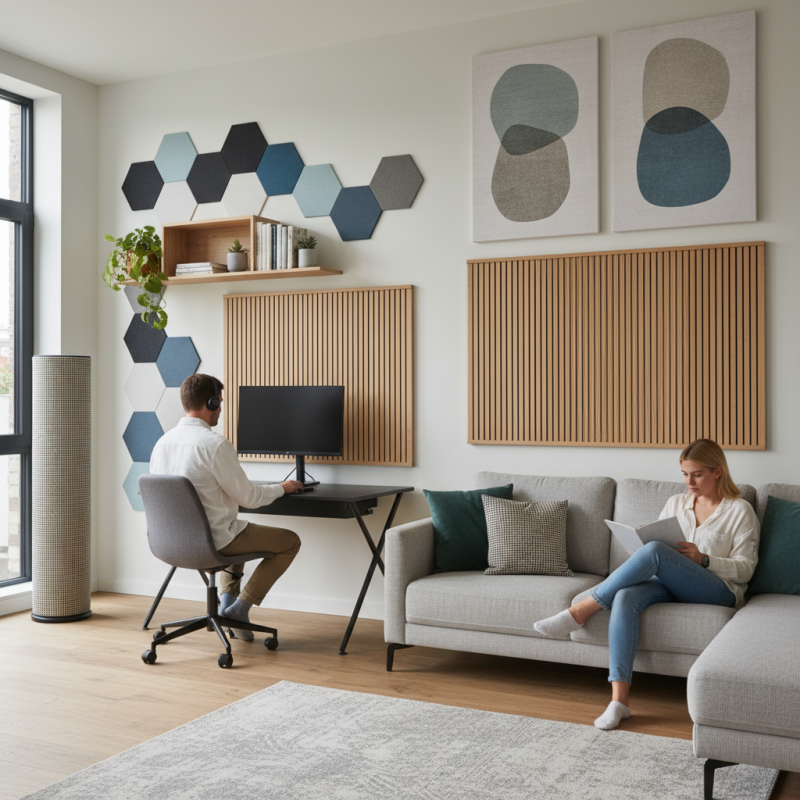
Acoustic panels play a vital role in space design, greatly enhancing both functionality and ambiance. These panels absorb sound, reducing echoes and improving overall acoustics. In busy environments, such as offices or homes, they create a more pleasant auditory experience. This can lead to increased productivity and comfort for everyone.
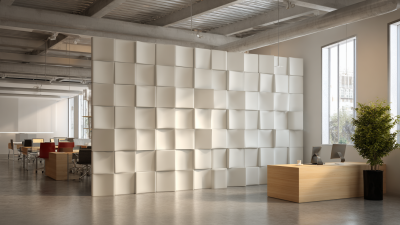
When choosing acoustic panels, it’s important to consider the specific needs of your space. Different materials and designs offer varying levels of sound absorption. For example, soft panels might be ideal for a home theater, while wooden slats could suit a modern office better. Yet, it's easy to make mistakes. Many people overlook the panel placement, which is as crucial as the type itself.
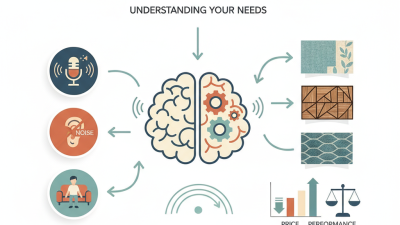
Before making any decisions, reflect on your space. Assess the level of noise and the overall mood you want to achieve. The wrong choice may lead to unsatisfactory results, like excessive noise or a clinical atmosphere. Finding the right balance takes careful thought and experimentation. Listening to your space will drive meaningful changes.
Identify Different Types of Acoustic Panels Available in the Market
When selecting acoustic panels, it's crucial to understand the different types available on the market. Broadly, acoustic panels are designed to improve sound quality by absorbing sound waves. They come in various materials, such as fiberglass, foam, and fabric-wrapped versions. A report from the Acoustical Society of America highlights that fiberglass panels are often favored for their high NRC ratings, allowing for superior noise reduction.
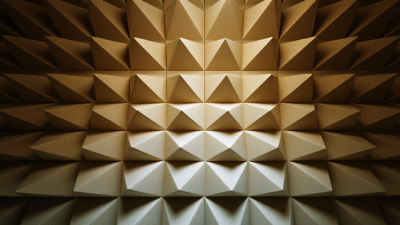
Foam panels are lightweight and easier to install, making them suitable for home studios or offices. However, they may not offer the same level of performance as denser materials. Fabric-wrapped panels add aesthetic value and can be customized to fit your décor. A study indicated that well-placed fabric panels can reduce reverberation time by over 50%.
It is also important to consider the room size and purpose. Larger spaces may need a combination of panel types to achieve optimal acoustic balance. Misjudging your needs could lead to over- or under-treatment of sound issues. It’s essential to reflect on the types of sounds in your environment and the specific performance goals you have in mind. This will help ensure you select the right panels for both functionality and style.
Understanding Acoustic Panel Types and Their Effectiveness
Evaluate the Size and Placement for Optimal Sound Absorption
When evaluating the size and placement of acoustic panels, consider your specific space needs. Measure the dimensions of your room first. Larger spaces require more extensive treatment. Panels should fill prime locations, like walls opposite sound sources. This positioning enhances absorption.
Don't overlook the height where panels are installed. Placing panels higher can reduce echoes more effectively in larger rooms. Think about furniture as well. Bookshelves or large sofas can create sound barriers. Their positions impact how sound waves bounce around the room.
Experiment with different arrangements before making permanent decisions. The process can sometimes feel overwhelming. Assess how each setup influences sound quality. Trust your ears over visual appeal. It's okay if the solution takes time to find. Achieving optimal sound absorption requires trial and careful adjustments.
Consider Aesthetic Integration with Your Home or Office Decor
When selecting acoustic panels for your space, aesthetic integration is crucial. The right panels can enhance both sound quality and visual appeal. According to a study by the Acoustical Society of America, proper acoustic treatment can reduce noise levels by up to 50%. This significant improvement improves productivity and comfort in home offices or shared spaces.
Consider the color and texture of the panels. Choose colors that complement your existing decor. Fabrics like felt or foam can be stylish yet functional. A report from the National Institute of Standards and Technology found that 70% of individuals prefer well-designed acoustic solutions that match their interiors. This preference highlights the importance of visuals in soundproofing.
Physical placement also matters. Arrange panels to create visually engaging patterns or focal points. Don't shy away from mixing different shapes and styles. This can lead to a unique aesthetic. However, some may find it challenging to balance functionality with design. Regularly evaluating how well the panels perform versus their visual impact is essential for achieving both beauty and utility.
How to Choose Acoustic Panels for Your Home or Office?
| Panel Type |
Material |
Color Options |
Size (inches) |
Aesthetic Integration |
| Wall Mounted |
Fabric Wrapped MDF |
Multiple Colors |
24 x 48 |
Easily customizable to match decor |
| Ceiling Panels |
Acoustic Foam |
White, Black |
24 x 24 |
Minimalist design blends into ceiling |
| Tabletop |
Recycled Polyester |
Natural Shades |
20 x 60 |
Fits with natural wood furnishings |
| Artistic Panels |
Acoustic Fabric |
Custom Designs |
Various Sizes |
Integrates as decorative art piece |
Assess Cost and Durability of Acoustic Panel Options Before Purchase
When selecting acoustic panels, considering cost and durability is crucial. Start by determining your budget. Quality acoustic panels can vary significantly in price. Cheaper options might save you money upfront, but they may not perform well over time. Investing in higher-quality panels often results in better sound absorption and durability.
Evaluate the material of the panels. Some options use foam, while others are made from fabric or wood. Foam panels are lightweight and easy to install but may wear out faster. Fabric-wrapped panels offer a professional look and typically last longer. Look for panels that are easy to clean and resistant to wear.
Don't overlook installation costs, either. Some panels are DIY-friendly, while others may require professional installation, adding to your overall costs.
Reflect on your specific needs. Can you sacrifice some design for better acoustics? Or do you need a balance of both? Make informed choices based on these factors to create an effective and lasting solution in your space.