How to Choose the Best Sound Absorbing Panel for Your Space?
Choosing the right Sound Absorbing Panel for your space can transform the acoustics of any room. According to Brian Wilson, a renowned acoustics expert, "The right panel can make all the difference in how sound feels." His insight emphasizes the importance of thoughtful selection.
Sound Absorbing Panels are not just functional; they are also design elements. Different materials, textures, and colors can enhance aesthetics. However, many overlook this critical aspect. It’s easy to choose panels based solely on price or availability, yet this approach can lead to dissatisfaction.
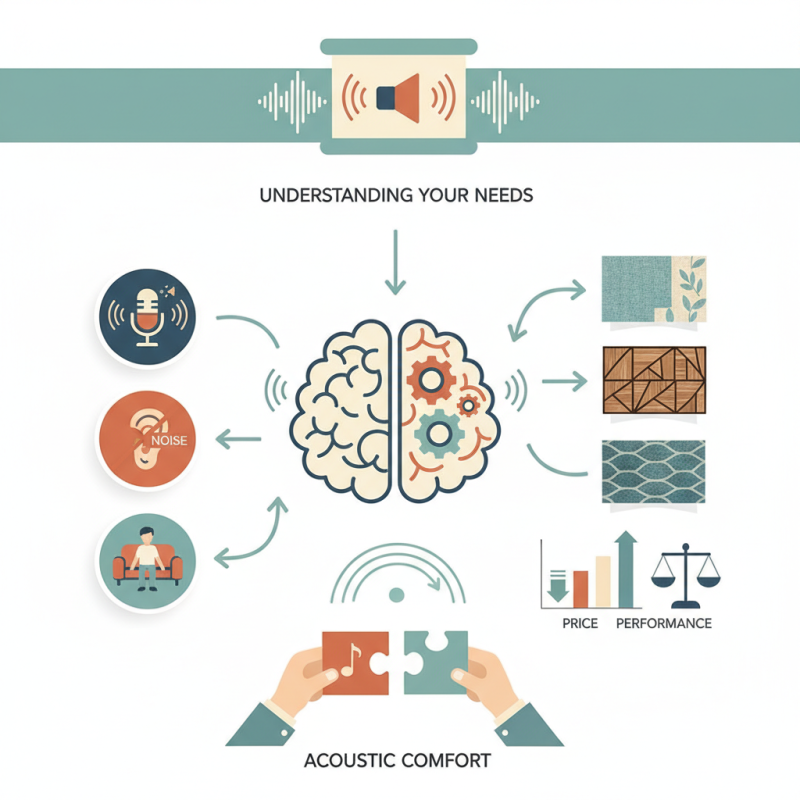
Understanding your specific needs is essential. Rooms vary widely, and so do sounds. Evaluate how sound travels in your space. Reflect on your experiences in noisy environments. This will guide you toward the most effective Sound Absorbing Panel solution. Ultimately, investing time in this decision will pay off in acoustic comfort.
Understanding Sound Absorption and Its Benefits for Your Space
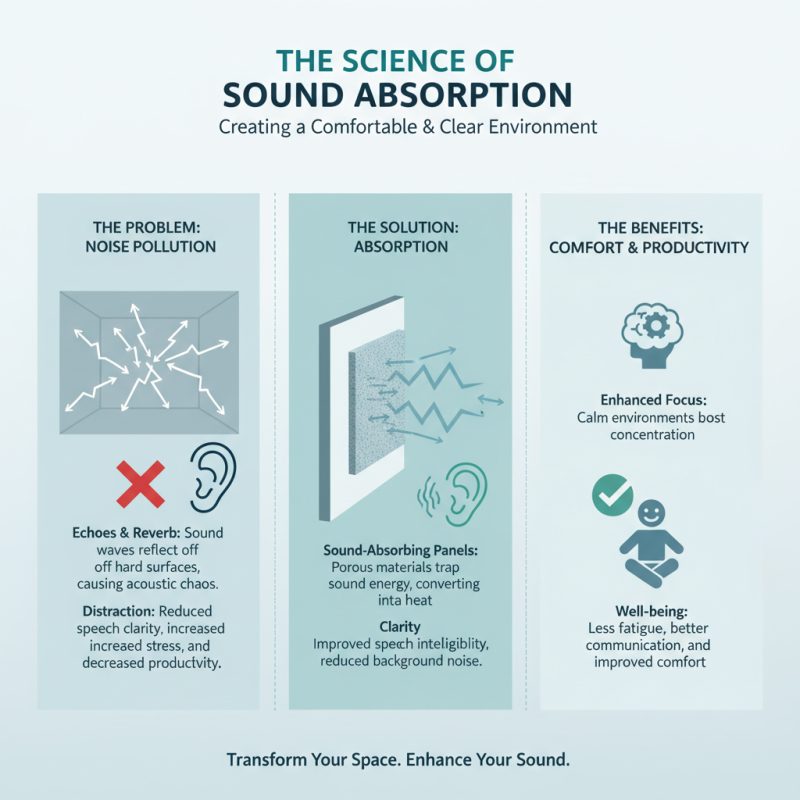
Sound absorption is an essential aspect of creating a comfortable environment. It reduces noise pollution and enhances clarity. When sound waves hit surfaces, they can bounce back, creating echoes and distractions. Properly chosen sound absorbing panels can minimize these issues.
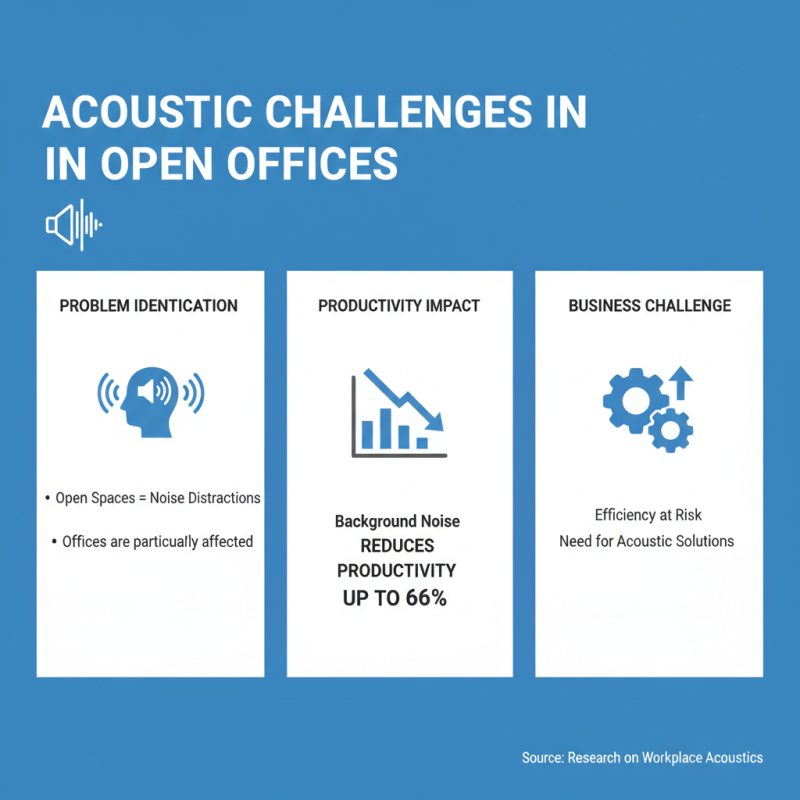
The benefits of sound absorption go beyond mere noise reduction. It can improve focus in offices and increase relaxation in homes. In restaurants, the right panels can foster conversation without overwhelming noise. However, some may not realize that placement and material matter greatly. A panel may look appealing but may not perform well if not installed correctly. Experimenting with different designs and locations is key.
While selecting sound absorbing panels, consider the overall aesthetics. Not all styles suit every space, so some trial and error might be necessary. It's essential to think about the purpose of the area, too. A multipurpose room may need a different approach than a quiet study. There’s always room for adjustments and improvements, and that’s part of the process.
Exploring Different Types of Sound Absorbing Panels Available
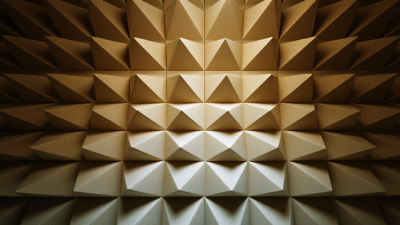
When selecting sound absorbing panels, understanding their types is crucial. There are several materials available, including fiberglass, foam, and fabric-wrapped panels. Each type serves its purpose. Fiberglass panels are known for their impressive sound absorption, often rated at NRC (Noise Reduction Coefficient) values around 0.9. This means they can absorb up to 90% of sound. On the other hand, foam panels are lightweight and easy to install, but their effectiveness is generally lower, with NRC ratings between 0.5 and 0.7.
Fabric-wrapped panels also deserve attention. They come in various designs, which can complement your interior decor. Their sound absorption varies widely, often depending on the core material. Although stylish, some people find them less effective than expected. It's essential to note that the aesthetic appeal might distract from their primary function. Many report that relying solely on visual quality sometimes leads to insufficient noise control.
The space size also influences panel selection. Larger areas may require more panels or different types to achieve the desired sound environment. Reports suggest careful consideration of both aesthetics and functionality. Thus, finding a balance is vital for effective sound absorption.
How to Choose the Best Sound Absorbing Panel for Your Space?
| Type of Panel |
Material |
Thickness (inches) |
NRC Rating |
Common Uses |
| Fabric Wrapped Panel |
Fiberglass |
1-2 |
0.85 - 1.10 |
Studios, Offices |
| Foam Panel |
Acoustic Foam |
1-4 |
0.60 - 0.95 |
Home Theaters, Recording Rooms |
| Wooden Panel |
Wood Fiber |
0.75 - 2 |
0.75 - 1.05 |
Concert Halls, Restaurants |
| Hanging Panels |
Mineral Wool |
2-3 |
0.85 - 1.15 |
Open Spaces, Libraries |
Evaluating Material Options for Optimal Sound Absorption
Choosing the right material for sound-absorbing panels greatly impacts their effectiveness. Foam panels are popular due to their lightweight nature. They easily fit into various spaces. However, they may not absorb low-frequency sounds well.
In contrast, mineral wool panels are dense and effective across a broader frequency range. They are heavier and harder to install, but their benefits can outweigh the initial challenges.
Fabric-wrapped panels offer aesthetic appeal. They come in various colors and textures. While they enhance a room's look, the fabric can alter sound absorption. It’s crucial to select the right fabric type. Wood panels bring a natural finish to spaces and provide good absorption for mid to high frequencies. Yet, they can be less effective for low frequencies. Balancing aesthetics and function is essential.
Reflection is important in this process. Some materials might seem appealing but underperform in real-world scenarios. Test your options with samples to assess their effectiveness and how they fit into your space. Don’t overlook your specific acoustic needs. The perfect panel must address your unique sound challenges.
Tips for Proper Installation and Placement of Sound Panels
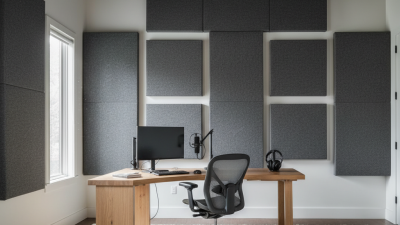
When it comes to sound absorbing panels, placement is key. Start by identifying areas with high noise levels. Corners and flat walls often reflect sound waves, creating echoes.
Mounting panels in these spots can drastically reduce noise. Don't forget about ceilings; they can also benefit from acoustic treatment.
Choose the right height when installing. Panels should ideally be at ear level for best performance. Consider furniture and other elements in the room. Sometimes, a panel will need adjustment due to obstructing items. If a panel doesn't seem effective, try repositioning it. Experimentation is part of the process.
Lastly, remember that aesthetics matter too. Color and design should blend with your space. It's okay to make mistakes during installation. You might realize that some panels work better in different spots.
Reflect on the results, and don't hesitate to rearrange until you find the perfect setup. It’s all about creating a comfortable environment for sound.