How to Choose the Best Wall Cladding for Your Project?
Choosing the best wall cladding requires careful consideration. According to Sarah Johnson, a renowned expert in architectural design, “The right wall cladding can transform a space both aesthetically and functionally.” With so many options available, making an informed choice is crucial.
Wall cladding serves both practical and decorative purposes. It protects buildings from weather elements and enhances their appearance. Selecting the wrong material can impact durability and maintenance. Expert advice often emphasizes balancing style with functionality. It is essential to consider the specific needs of your project.
Different materials offer various advantages. For example, natural stone provides durability, while wood gives a warm feel. However, some materials may not be suitable for all environments. Cost, installation, and longevity are also important factors. Reflecting on these aspects helps ensure a wiser selection in wall cladding.
Understanding Different Types of Wall Cladding Materials
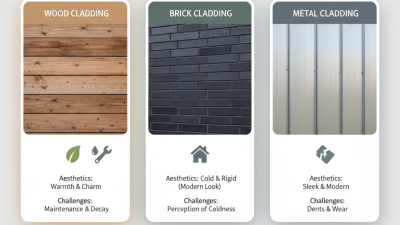
Choosing the right wall cladding material is crucial for any construction project. Various types of materials are available, each with unique properties and applications. Wood, for instance, offers warmth and aesthetic appeal but demands high maintenance. It can warp or rot without proper care, raising long-term sustainability concerns.
Brick is durable and provides excellent insulation. It can withstand harsh weather conditions, but its installation can be labor-intensive and costly. Metal cladding, often used for modern designs, is lightweight and resistant to fire and pests. However, it may exhibit dents and scratches easily, which can be a drawback for some.
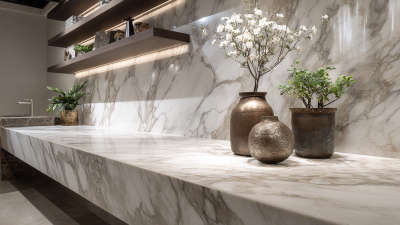
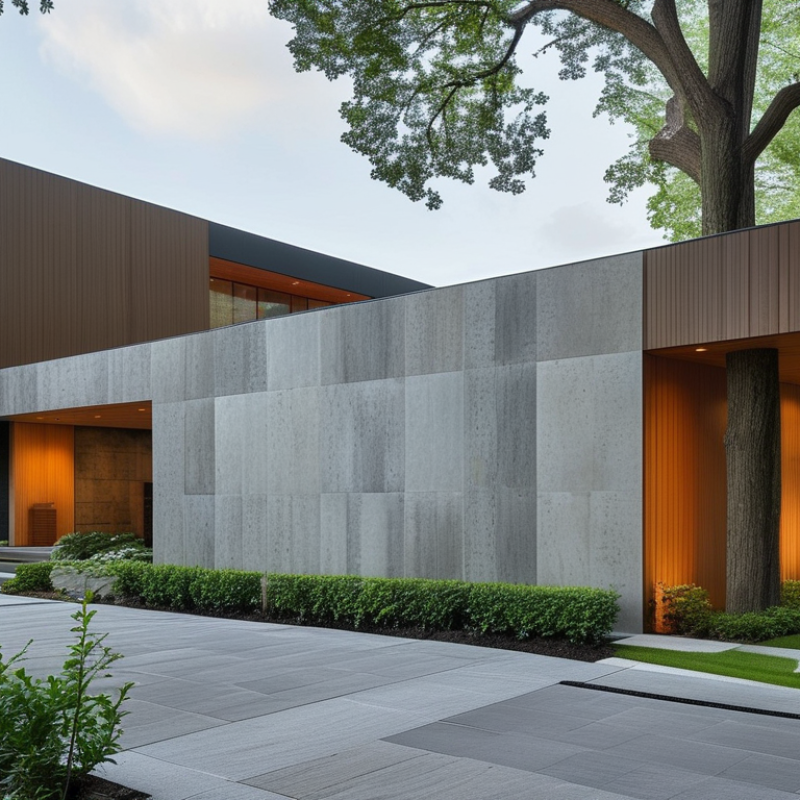
Natural stone is breathtaking but heavy and tends to increase structural load. Its costs can be high, and uneven surfaces may pose installation challenges. In contrast, vinyl cladding is low-maintenance and available in various styles, but it could fade over time and might not resist temperature fluctuations well. Careful consideration of these factors will help ensure a successful project.
Evaluating Aesthetic and Functional Requirements for Your Project
When evaluating aesthetic and functional requirements for wall cladding, think about the visual impact. The right cladding defines a space and sets a mood. For example, studies show that natural materials like wood can enhance warmth and comfort levels in residential buildings. In contrast, sleek metals may convey modernity and precision.
Consider durability as well. According to reports, buildings with masonry or stone cladding have a lifespan of over 50 years. This longevity reduces maintenance costs over time. However, assessing weather conditions and regional climate is crucial, as some materials hold up better than others.
Tips: Choose colors and textures that complement existing architecture. Remember functional elements such as insulation and weather resistance. Reflect on the installation process and potential repairs too. An informed choice balances beauty and practicality, ensuring your project stands the test of time.
Considering Climate and Environmental Factors in Material Selection
When it comes to selecting wall cladding, climate and environmental factors play a crucial role. The material you choose should withstand local weather conditions. For instance, regions with heavy rain require moisture-resistant options. Conversely, in sunny areas, UV resistance becomes vital to prevent fading.
Beyond weather resilience, consider sustainability. Materials sourced from local suppliers reduce transportation emissions. However, not all sustainable options are equally effective. Some eco-friendly materials may lack durability. This reality prompts a careful examination of longevity versus environmental impact.
To enhance energy efficiency, explore insulation properties of various cladding options. In colder climates, effective insulation saves energy costs and maintains comfort. Yet, some highly insulated materials may not be suitable for hot environments. Balancing these factors ensures a better outcome for your project. Applying these insights leads to smarter decisions in material selection.
How to Choose the Best Wall Cladding for Your Project? - Considering Climate and Environmental Factors in Material Selection
| Material |
Climate Suitability |
Environmental Impact |
Durability |
Maintenance Requirements |
| Wood |
Temperate |
Moderate, renewable |
Moderate |
High |
| Vinyl |
All Climates |
High, non-renewable |
High |
Low |
| Brick |
Cold/Warm |
Low, natural |
Very High |
Low |
| Stone |
All Climates |
Very Low, natural |
Very High |
Very Low |
| Fiber Cement |
All Climates |
Moderate, some sustainable |
High |
Moderate |
Assessing Budget and Cost-Effectiveness of Wall Cladding Options
When considering wall cladding, budget is a key factor. It's essential to evaluate both the initial cost and long-term value. Some materials may appear affordable upfront but can lead to higher maintenance costs. For instance, wood cladding may require regular staining or sealing, adding to its lifetime expense.
The cost-effectiveness of cladding options often varies based on installation complexity. Some materials are easier to install, saving labor costs. Vinyl and fiber cement are popular choices for their balance of price and durability. However, installation challenges can arise. Miscalculations may lead to wasted materials and additional costs.
It's important to factor in local climate conditions as well. Different materials perform differently under various weather conditions. For example, while metal cladding may be resistant to moisture, it can be prone to dents and corrosion. Reflecting on these aspects ensures a more informed decision. The right choice is not just about the price tag; it's about value over time.
Choosing Installation Methods and Maintenance Considerations for Cladding
Choosing the right installation methods for wall cladding is crucial for long-term performance. According to a report by the Building Research Establishment, improper installation can reduce a cladding system's lifespan by up to 30%. For example, mechanical fastening is popular for its quick installation, but it may leave vulnerable areas if not done correctly. Adhesive methods can provide a seamless finish but require strict adherence to guidelines, making professional installation essential.
Maintenance considerations are also vital to the longevity of any cladding system. A study from the Materials Performance Journal suggests that regular inspections can extend the life of cladding by 25%. Issues like water infiltration are often the result of inadequate seals or hardware wear. In urban areas, pollutants can accumulate, leading to more frequent cleaning needs. Ignoring these factors can lead to significant repair costs and safety risks.
While aesthetics play a key role in choosing cladding, functionality should not be overlooked. Cladding systems need to withstand various environmental conditions. In harsh climates, specific materials like fiber cement or metal may outperform others. Carefully weighing installation methods and maintenance needs can help you make a more informed decision for your project.