How to Choose Home Decoration Products in 2026?
In 2026, choosing home décor is less about copying a perfect room and more about making everyday spaces work. Home Decoration includes lighting, textiles, storage, wall pieces, and the small objects that shape a room’s mood. A woven basket beside the sofa may add warmth, but it should also hold the blankets you actually use. Looks matter. So does daily life.
Before buying, measure the space and note how people move through it. Check an item’s dimensions, materials, cleaning instructions, and assembly needs rather than relying on attractive photographs alone. A rug that looks generous online can crowd a narrow doorway; a glossy lamp may cast harsh light on a reading chair. If possible, compare finishes in daylight, since colors can shift under warm bulbs. For larger purchases, review delivery terms and return conditions, too. These checks are not glamorous, but they prevent avoidable frustration.
This guide will help readers weigh style, function, durability, price, and personal taste when selecting products for different rooms. It will also consider how to combine new pieces with existing furniture, instead of replacing everything at once. There is no universal formula. Some advice may not fit a rental, a tight budget, or a home shared with children or pets. That is worth admitting. Start with one practical need, choose a piece that suits the room, and leave space to change your mind. A home should feel lived in, not staged for a photograph.
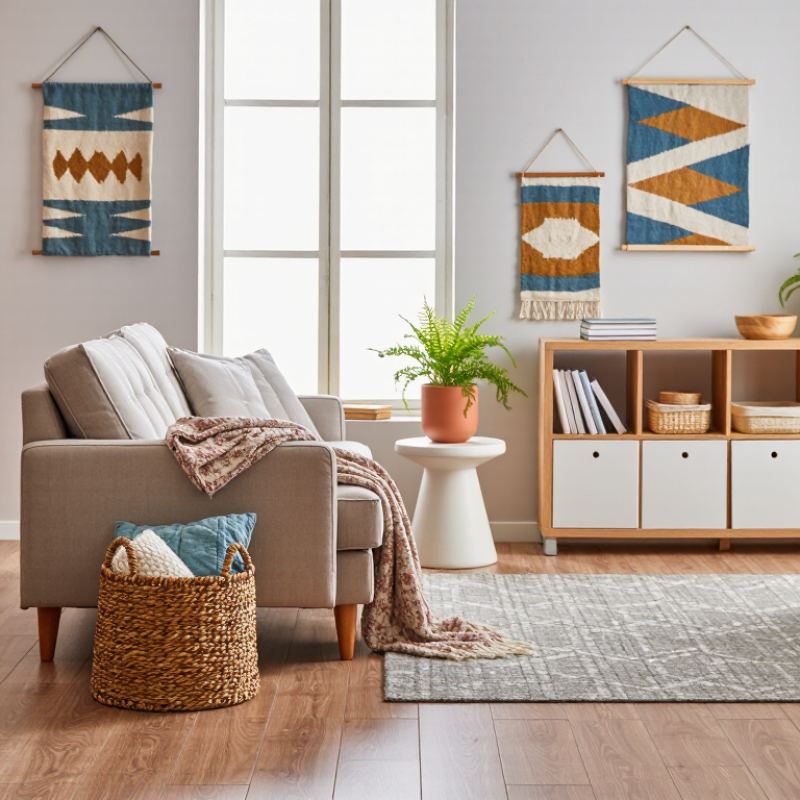
Identify the Room’s Needs, Users, and Functional Priorities
How to Choose Home Decoration Products in 2026?
Identify the Room’s Needs, Users, and Functional Priorities
Before choosing a rug, lamp, or storage basket, notice how the room is actually used. Is the living room also a homework space? Does morning light reach the reading chair? Measure walkways, door swings, and furniture before buying. Small details matter. A low-pile rug may suit a busy hallway better than a thick one that catches chair legs. For shared rooms, prioritize clear surfaces, reachable storage, and lighting that works for different tasks. AARP’s 2024 Home and Community Preferences Survey found that 75% of adults aged 50 and older want to remain in their homes as long as possible. That makes comfort and ease of use worth considering at every age, not only later in life.
Match products to the people and routines they need to support. A child’s bedroom may need washable fabrics and reachable hooks; a home office may need focused lighting and a cable solution. The U.S. Department of Energy reports that LED bulbs use at least 75% less energy and last up to 25 times longer than incandescent bulbs. Check the light’s color and brightness in the room, though: efficient lighting can still feel harsh beside a warm-toned wall. Measure first. A common mistake is choosing for a room’s appearance in a shop, then discovering the item blocks a path at home. Reconsider the purchase if it solves a visual problem but creates a daily one.
Measure the Space and Assess Its Layout, Lighting, and Existing Features
Before choosing home decoration products in 2026, measure the room—not just its floor area. Record wall lengths, ceiling height, window positions, door swings, and the space around radiators or vents. A tape measure and a simple floor sketch can prevent a beautiful cabinet from blocking a doorway. Check twice. I once underestimated a narrow passage; the furniture fit, but walking through felt awkward.
Next, map how people use the room. Leave clear paths between entrances, seating, and frequently used storage. Mark the footprint of a proposed rug or table with painter’s tape, then live with the outline for a day. Notice whether chairs can pull out comfortably and whether drawers open fully. A layout can look balanced on paper yet feel cramped in daily use.
Lighting and existing features should guide your choices. Observe the room in morning, afternoon, and evening light, since colors and finishes can shift noticeably. Note dark corners, glare near screens, and the direction of natural light. Then consider fixed features such as wood floors, trim, fireplaces, or built-in shelves. Choose materials and colors that work with them rather than competing for attention. If an old feature feels awkward, don’t disguise it automatically; test a small change first. I may be overcautious, but a sample beside the floor can reveal more than a perfect-looking screen image.
Set a Budget and Choose a Cohesive Style for 2026
Set a Budget and Choose a Cohesive Style for 2026
A useful decoration budget starts with the room, not a shopping list. Measure walls, windows, and furniture before estimating what each area needs. Set separate limits for larger pieces, lighting, textiles, and small accents. Include delivery costs, installation, and a modest reserve for unexpected expenses. Even careful plans miss something. A lamp may need a different bulb, or curtains may require extra length. Decide which items matter most to daily comfort, then delay lower-priority purchases rather than stretching the budget.
A cohesive style does not mean every object must match. Choose two or three guiding colors, then use materials and shapes to connect the room. Warm wood, linen, and soft green can feel related without looking identical. Check new colors beside existing furniture in daylight and at night; phone screens can distort shades. Samples help. They also take up space and can make decisions feel slower, which is not always convenient.
Before buying a striking accent, ask whether it fits the room’s palette and practical needs. A pale rug may suit the plan but show marks quickly in a busy entryway. That trade-off is easy to overlook in a photograph. Leave some space unfilled, and live with the arrangement for a few days. You may notice that a side table is more useful near the sofa than beside the window.
Compare Product Quality, Materials, Safety, and Sustainability
How to Choose Home Decoration Products in 2026?
A polished photo tells you little about how an item will feel after a year of use. Check the joins, seams, and moving parts in person when possible. A drawer should glide without scraping, and a chair should not wobble on a level floor. Look closely at corners and finishes. Small flaws matter.
Materials affect both durability and daily comfort. Solid wood can often be repaired, while thin veneers may chip at exposed edges. For textiles, inspect the weave and ask how the fabric should be cleaned. With painted or coated items, request clear information about the finish and follow care instructions. A strong chemical smell is not proof of a hazard, but it is a reason to ask questions. I still find material comparisons difficult when product descriptions use vague terms like “natural” without details.
Safety belongs in the comparison, not as an afterthought. Check that tall furniture feels stable, edges are smooth, and glass or ceramic pieces have no cracks. Ask for product-specific safety information, especially for items used around children or pets. Sustainability claims also deserve scrutiny. Look for specific details about recycled content, material sourcing, repair options, and packaging rather than broad green language. Choose pieces you can maintain and keep using. Less waste, in practice.
Check Dimensions, Care Requirements, and Seller Policies Before Buying
Before buying home décor, measure the item and the space it must fit. Check width, depth, height, and doorway clearance. For a rug, mark its outline with painter’s tape; for a lamp, include the shade and cord in your measurements. Leave room for drawers, doors, and walkways. Even careful measuring can miss a tight corner.
Read care instructions and seller policies before checkout. Confirm whether fabric needs spot cleaning, whether wood requires special products, and whether the item arrives assembled. The NRF and Happy Returns 2024 Consumer Returns in Retail report surveyed shoppers. It found that 76% considered free returns important when choosing where to shop. Check return deadlines, shipping costs, restocking fees, and damage-reporting steps. Save the policy and order details.
Tips: Compare the listed dimensions with your own measurements. Photograph damage as soon as the package arrives. Keep the packaging until you’ve checked the item. A detail is easy to overlook.