How to Choose the Best Acoustic Panel for Your Space?
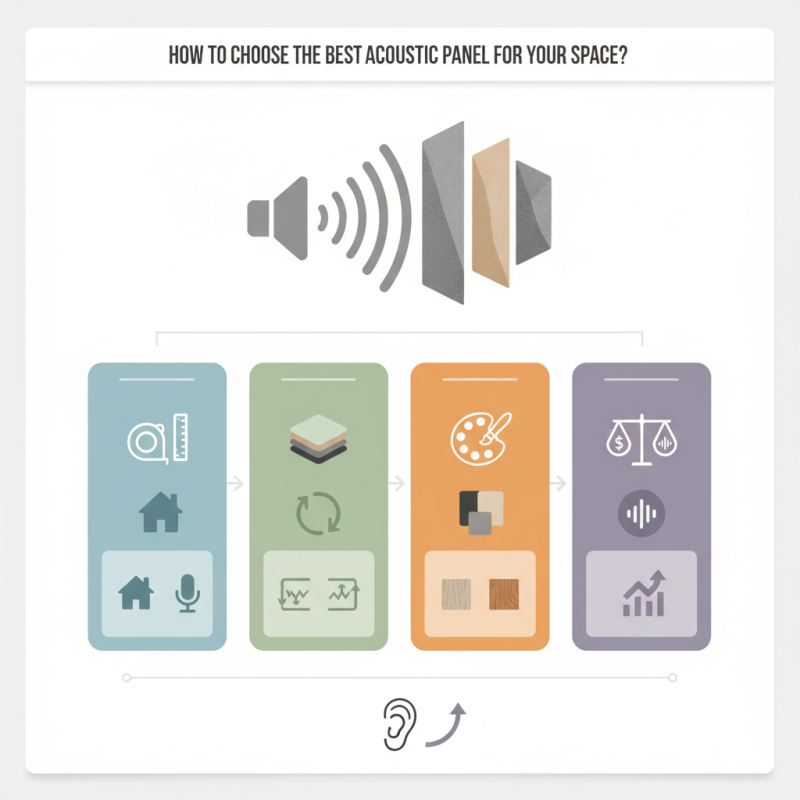
Choosing the best Acoustic Panel for your space is essential for achieving optimal sound quality. Renowned acoustic engineer Dr. Emily Harris emphasizes, “Selection matters; the right panels can transform your environment.” An effective Acoustic Panel not only absorbs sound but also enhances aesthetics.
When considering an Acoustic Panel, think about the size of your room and its purpose. Different materials will offer varied sound absorption and reflection qualities. Don't overlook the color and style either; these panels should blend with your decor.
Some panels can be visually unappealing, and that may lead to frustration. Reflect on how an Acoustic Panel’s design fits into your aesthetic vision. Quality and performance may come at a price, and you should assess the trade-off between budget and effectiveness. Make the choice wisely; it can drastically alter your auditory experience.
Understanding Your Acoustic Needs and Goals
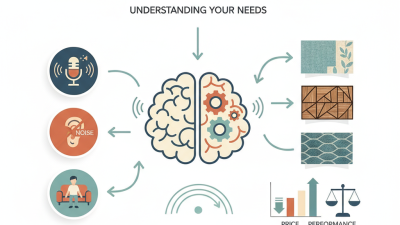
When selecting acoustic panels, understanding your unique acoustic needs is essential. Every space has different sound characteristics. Think about what you want to achieve. Are you aiming for soundproofing or sound enhancement? Identifying your goals can guide your choices.
Consider the purpose of the room. A home theater requires different treatment than a recording studio. Acoustic panels for a noisy office will look different than those in a quiet library. Look at your space closely. Measure dimensions and assess sound problems.
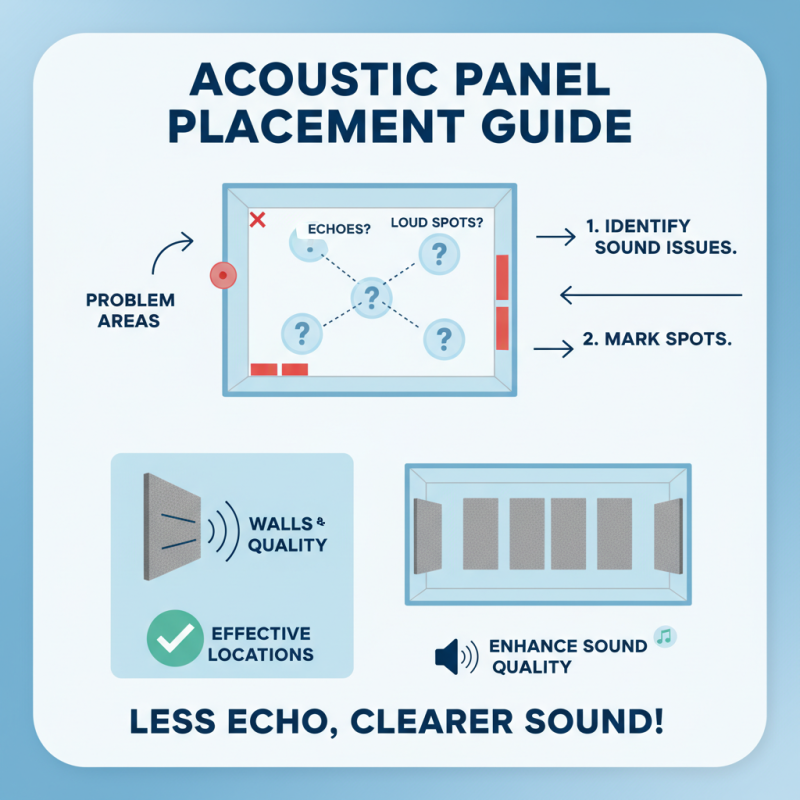
**Tip:** Experiment with various panel placements. This might lead to unexpected improvements. Sometimes, the main issue is reflection points, not just overall sound damping.
Take time to test your options before finalizing. Not all panels perform the same in every environment. Pay attention to the materials used. Foam panels might not work well in larger spaces. Heavy fabric panels could be more suitable. Always remember, finding the right fit can take some trial and error.
**Tip:** Gather feedback from others using the space. Their insights might reveal issues you overlooked. Your acoustic needs and goals evolve over time, and so should your approach to panel selection.
How to Choose the Best Acoustic Panel for Your Space?
| Dimension |
Material |
Thickness (inches) |
NRC Rating |
Ideal Use |
| 24"x48" |
Fiberglass |
2" |
0.95 |
Recording Studios |
| 12"x12" |
Foam |
1" |
0.70 |
Home Theaters |
| 48"x24" |
Wood |
1.5" |
0.85 |
Offices |
| 60"x30" |
Mineral Wool |
3" |
1.00 |
Concert Halls |
Types of Acoustic Panels and Their Benefits
When it comes to acoustic panels, understanding their types is crucial.
Fabric-wrapped panels are common. They are visually appealing and effective at absorbing sound. These can be customized in various colors.
However, they may require regular cleaning. It’s important to consider maintenance.
Another option is foam panels, known for their lightweight nature. They are often used in studios and home theaters. Foam panels easily attach to walls, making installation simple.
While they absorb high frequencies well, they may not be as effective for low frequencies. This could lead to uneven sound quality.
Wood paneling is aesthetically pleasing. It also helps to control echo in larger spaces.
However, wood panels can be pricier and need thoughtful placement. If placed incorrectly, they might not provide the intended soundproofing.
Consider your space’s layout carefully before choosing. Each type has its strengths and weaknesses, and it’s essential to reflect on what best fits your needs.
Evaluating Material Options for Acoustic Panels
When selecting acoustic panels, material options play a crucial role. Common materials include foam, fabric, wood, and metal. Each offers unique acoustic properties. For example, foam panels often provide high sound absorption. They can reduce noise in small spaces effectively. A study shows that foam can absorb up to 80% of mid-range frequencies. This makes it suitable for home studios or offices.
Fabric-wrapped panels are another popular choice. They add aesthetic appeal while improving sound quality. These panels often use fiberglass as a core material, leading to better sound diffusion. Research indicates that fabric panels can achieve a Noise Reduction Coefficient (NRC) rating of 0.90. This means they significantly reduce sound reflections in larger areas like conference rooms.
Wooden panels, while less absorbent, contribute to sound clarity. They can enhance room acoustics by balancing reflections. Metal panels can also be considered, especially in modern designs. However, they can introduce unwanted echoes if not placed correctly. Understanding the space's acoustic needs is vital. The choice of material should align with specific and functional requirements.
Budgeting and Sourcing Acoustic Panels for Your Space
When budgeting for acoustic panels, it’s essential to consider the specific needs of your space. Industry reports suggest that proper acoustic treatment can improve sound quality by up to 50%. Acoustic panels can range from $20 to $100 each, depending on materials and design. Understanding your space will help you allocate funds effectively.
Sourcing the right panels often involves comparing various suppliers. Check local and online retailers. Some panels are lightweight and easy to install, while others may require professional installation. Keep in mind that the cheapest option may not provide the best sound absorption. Testing samples can highlight unexpected results.
Reflecting on your choices is crucial. Some may find that their initial selection does not meet their needs after installation. Regular feedback from users can guide adjustments. Tracking cost versus effectiveness is vital to ensure you stay within budget while achieving the desired sound quality. Remember, this is a process. Your space might evolve, and so should your acoustic treatment.
Acoustic Panel Type Comparison