How to Choose the Best Ceiling Panel for Your Needs?
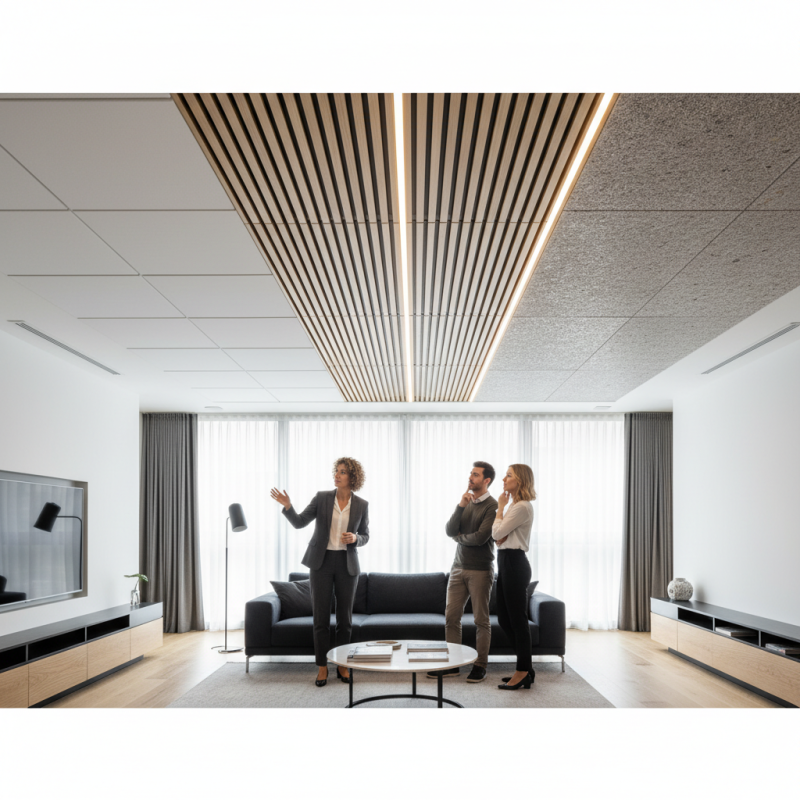
Choosing the right Ceiling Panel is crucial for both aesthetics and functionality in interior design. Industry expert Jane Thompson states, “The right ceiling panel can transform a space.” With various options available, it’s essential to consider both style and practicality.
Ceiling panels come in different materials, finishes, and designs. Homeowners often find themselves overwhelmed. Each choice impacts the room’s acoustics, lighting, and even thermal comfort. Misjudging these factors can lead to dissatisfaction later.
When exploring options, reflect on your specific needs. Do you prioritize sound absorption? Or is design your main concern? Evaluating your priorities will guide you to the best ceiling panel choice. Exploring various brands and their offerings adds to this complexity. Choosing wisely requires time and thought.
Understanding Your Space: Assessing Room Size and Function
When considering ceiling panels, understanding your room's size and purpose is essential. Large spaces often benefit from panels that enhance acoustics. Think about how noise travels in the area. Can sound reverberate or get trapped? For smaller rooms, select lighter colors. Bright panels can make the space feel airier. Dark panels might create a cozy ambiance, but they can close in the space.
Function plays a significant role in choosing the right panel. Is the room a kitchen, living area, or office? Each requires different considerations. Kitchens might need moisture-resistant panels. Offices may prioritize sound-absorbing qualities for better focus. Pay attention to light sources as well. Natural light can interact with panel colors, influencing the overall aesthetic.
Assessing your needs deeply may reveal unexpected desires. You might find that what looks good doesn't work functionally. Consider how changing a simple detail, like panel texture, can alter the room's feel. Reflection, natural or artificial, can dramatically impact mood. Striking the right balance between form and function may take time, but it is a rewarding process.
How to Choose the Best Ceiling Panel for Your Needs?
Understanding your space is crucial when selecting ceiling panels. This bar chart illustrates the room sizes commonly found in residential spaces and the recommended ceiling panel types for each size.
Types of Ceiling Panels: Materials and Their Characteristics
When selecting ceiling panels, understanding the types and materials available is crucial. Various materials offer distinct characteristics, influencing aesthetics and functionality. For instance, gypsum ceiling panels are popular for their fire resistance and sound absorption. They provide a smooth finish, making them ideal for residential settings.
Metal ceiling panels present an industrial look often chosen for commercial spaces. They are durable and resistant to moisture and pests. However, they might create a cold feel in a room if not paired with warm decor. Wood panels offer natural beauty but require maintenance to prevent warping.
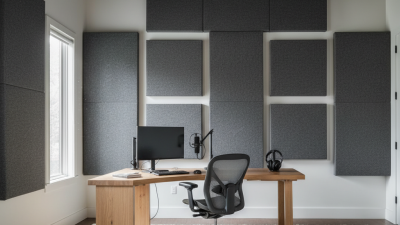
Acoustic panels, made from foam or fabric, help reduce noise levels in crowded environments. It's essential to evaluate the specific needs of your space. Selecting the right panel can be a process filled with trial and error. Consider how different options may affect the overall atmosphere.
Prioritize the panel's function, appearance, and durability for the best results.
Aesthetic Considerations: Matching Ceiling Panels to Interior Design
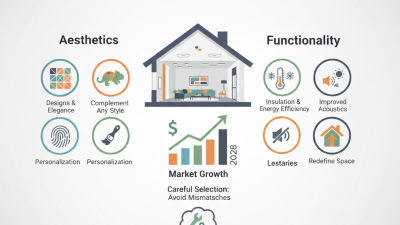
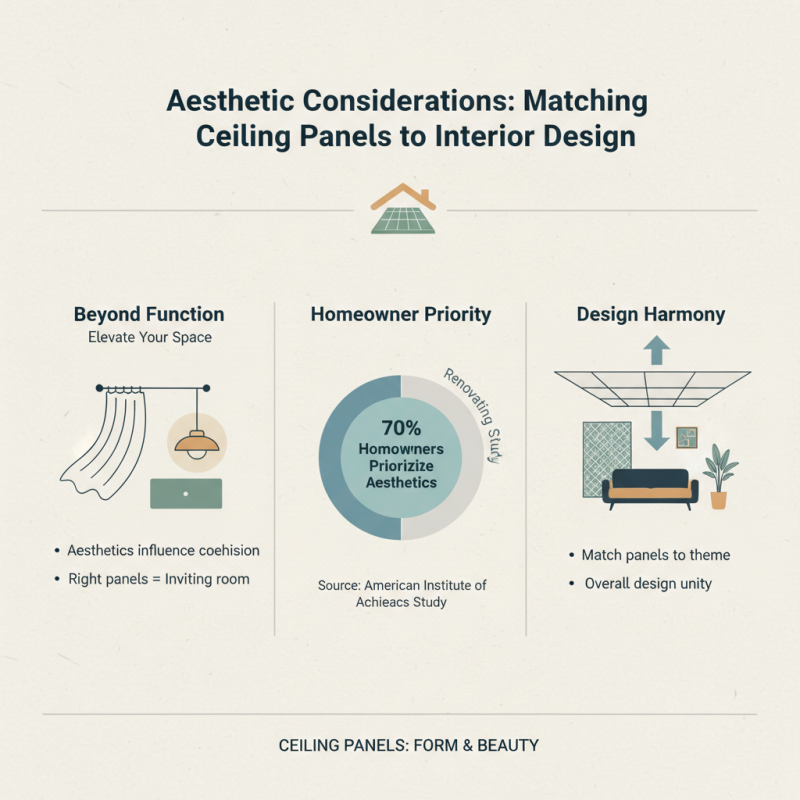
Choosing ceiling panels involves more than functionality; aesthetics significantly influence interior design cohesion. The right ceiling panels can elevate a room, making it feel more inviting. According to a recent study from the American Institute of Architects, over 70% of homeowners prioritize aesthetics when renovating. This underscores the importance of matching ceiling panels to the overall design theme of the space.
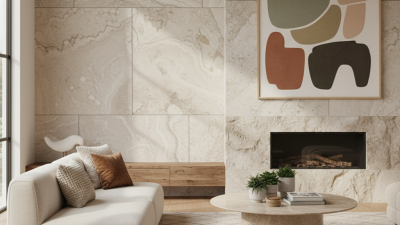
When selecting ceiling panels, consider color, texture, and style. For instance, a modern minimalist room may benefit from sleek, smooth panels. On the other hand, rustic designs may call for wood-like textures. A report by the Interior Design Association notes that textured panels can enhance visual interest, gaining attention without overpowering other design elements. Sometimes, it’s also a good idea to incorporate unique designs, but finding the right balance can be tricky. Too much variation can disrupt the visual flow.
Reflections on personal taste are essential. Some designs may resonate with current trends but lack longevity. Relying solely on fashion may leave a room feeling outdated quickly. For lasting appeal, choose panels that harmonize with permanent fixtures. This not only creates a cohesive look but also adds a touch of timeless elegance. Picking ceiling panels is a blend of creativity and careful thought, making the right choice a rewarding challenge.
Installation Factors: DIY or Professional Help?
When considering ceiling panel installation, deciding between DIY or hiring a professional is crucial. DIY projects can be rewarding and cost-effective. You control the pace and choose materials that fit your style. However, this route often requires time and effort. Many underestimate the complexity of installation. Misaligned panels can lead to an unsatisfactory result.
On the other hand, hiring a professional brings expertise and reliability. Professionals have experience and can handle challenges that arise. Their skills ensure a polished look, reducing the risk of errors. However, this option can strain your budget. Weighing costs against the benefits is essential. Proper installation impacts both aesthetics and functionality.
Reflect on your comfort level with tools and the project’s scope. Consider how much time you can dedicate to this task. If you’re unsure about your skills, professional help might be the best choice. A well-installed ceiling panel can enhance your space significantly.
How to Choose the Best Ceiling Panel for Your Needs? - Installation Factors: DIY or Professional Help?
| Aspect |
DIY Installation |
Professional Installation |
| Cost |
Lower initial costs, materials only |
Higher costs due to labor fees |
| Skill Required |
Basic handyman skills |
Expertise in installation |
| Time to Complete |
Varies, can be lengthy |
Quicker due to experience |
| Quality of Work |
Depends on skill level |
High quality, professional finish |
| Post-Installation Support |
Limited, mostly self-supported |
Available, warranty and support |
| Material Choices |
DIY materials may be limited |
Access to premium products |
Budgeting for Ceiling Panels: Costs and Long-Term Savings
When budgeting for ceiling panels, understanding the costs is essential. Quality ceiling panels vary widely in price. Basic panels can be quite affordable, but premium options often provide better insulation and aesthetics. Investing in higher-quality materials can lead to significant long-term savings. They may require less maintenance and last longer than cheaper alternatives.
It's also vital to consider energy efficiency. Some panels, designed to reflect light or provide insulation, can reduce heating and cooling costs. This choice can lead to lower utility bills over time. An initial investment in eco-friendly options can benefit both your wallet and the environment.
However, it’s important to evaluate your specific needs. While high-end panels offer advantages, they might not be necessary for every room. Assessing the location and function of the space can help you make better decisions. Balancing upfront costs against potential future savings can be complex. Reflecting on how you use the space can guide you toward the right investment.