How to Choose the Best SPC Wall Panel for Your Home Renovation Needs
When embarking on a home renovation project, selecting the right materials is crucial to achieving your desired aesthetic and functionality. One option that has gained popularity in recent years is the SPC wall panel. Known for its durability and versatility, SPC (Stone Plastic Composite) wall panels offer a modern solution that can enhance both residential and commercial spaces. However, with the myriad of choices available in the market, choosing the best SPC wall panel for your specific needs can be a daunting task.
In this guide, we will explore essential factors to consider when selecting SPC wall panels for your home renovation. From understanding the unique characteristics of SPC materials to evaluating design options and installation methods, our objective is to equip you with the knowledge necessary to make informed decisions. Whether you’re looking to create a cozy atmosphere in your living room or an elegant backdrop in your office, finding the right SPC wall panel is vital for achieving your renovation goals. Let’s dive into the world of SPC wall panels and uncover the key elements that will help transform your space.
Understanding SPC Wall Panels: Definition and Benefits in Renovation
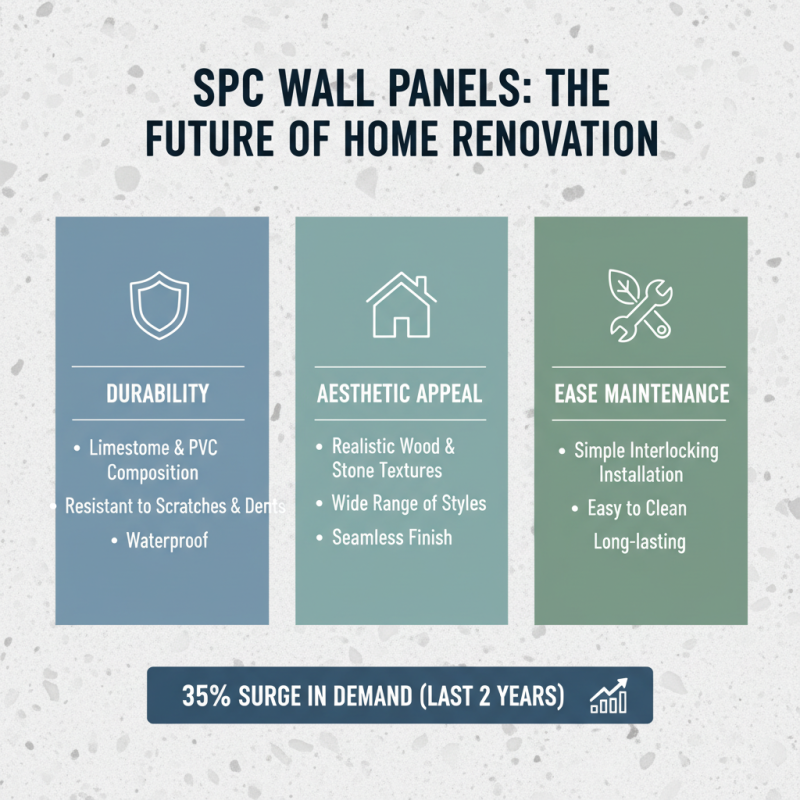
SPC wall panels, or Stone Plastic Composite wall panels, are a popular choice for home renovation due to their combination of durability, aesthetic appeal, and ease of maintenance. Defined by their composition of limestone and PVC, these panels offer a robust alternative to traditional wall materials. According to a report by the Floor Covering Industry, the demand for SPC products has surged by 35% over the last two years, as homeowners increasingly seek materials that can withstand the rigors of daily life while maintaining a stylish appearance.
One of the primary benefits of SPC wall panels is their waterproof nature, allowing them to be used in high-moisture areas such as bathrooms and kitchens without the risk of warping or damage. This quality is particularly advantageous in regions with fluctuating humidity levels, as SPC panels resist expansion and contraction that can occur with wood or other traditional materials. Additionally, SPC panels are energy-efficient, offering excellent thermal insulation that can help reduce heating and cooling costs. A survey by the National Association of Home Builders indicates that 60% of homeowners prioritize energy-efficient materials in their renovation projects, further highlighting the appeal of SPC wall panels in modern home design.
Factors to Consider When Selecting SPC Wall Panels for Your Home
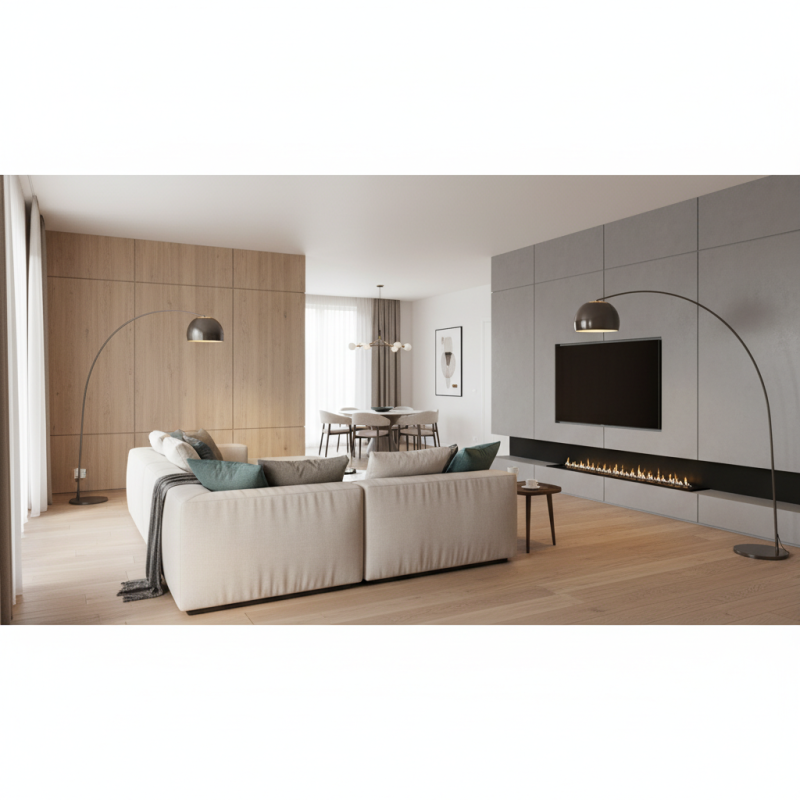
When selecting SPC wall panels for your home renovation, several key factors should be evaluated to ensure that you make the best choice. Firstly, consider the overall aesthetic and style of your space. SPC wall panels come in a variety of finishes and designs, ranging from natural wood looks to bold colors and patterns. It's essential to pick a style that complements your existing decor and creates a cohesive look throughout your home.
Durability and maintenance are also vital aspects to ponder. SPC panels are known for their resilience against moisture, scratches, and wear, making them suitable for high-traffic areas and humid environments. Assess the thickness and density of the panels, as thicker options generally offer better sound insulation and longevity. Additionally, consider the cleaning requirements; selecting panels that are easy to maintain can save you time and effort in the long run.
Lastly, take into account the installation process. Some SPC wall panels come with click-lock systems that simplify DIY installation, while others may require professional assistance. Understanding the installation method can guide you in choosing panels that fit your skill level and budget. By weighing these factors carefully, you can select SPC wall panels that not only enhance your home's aesthetics but also meet your practical needs.
Evaluating the Durability and Performance Standards of SPC Wall Panels
When selecting SPC (Stone Plastic Composite) wall panels for your home renovation, evaluating their durability and performance standards is paramount. SPC wall panels are known for their resilience, being composed of a blend of limestone powder and PVC, which contributes to their robust nature. According to industry reports, SPC panels can withstand extreme temperatures ranging from -40°F to 130°F, highlighting their versatility in various climates. Additionally, they are resistant to impacts, making them a suitable choice for high-traffic areas in residential settings.
Another critical performance standard is the panels' waterproof nature. Data from market research indicates that SPC wall panels possess a high degree of water resistance, which allows them to maintain integrity even in humid or wet environments. This characteristic is especially beneficial in areas such as kitchens and bathrooms. Furthermore, SPC panels typically feature a locking installation system, which not only simplifies the installation process but also enhances the overall performance by reducing the risk of moisture infiltration between seams. By considering these durability factors and performance metrics, homeowners can make an informed decision that aligns with their renovation needs.
Durability and Performance Standards of SPC Wall Panels
Aesthetic Options: Choosing the Right Design and Texture for Your Space
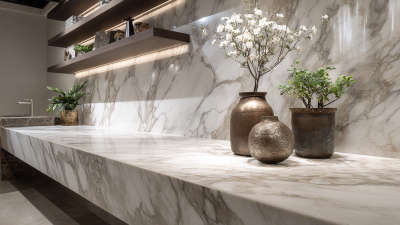
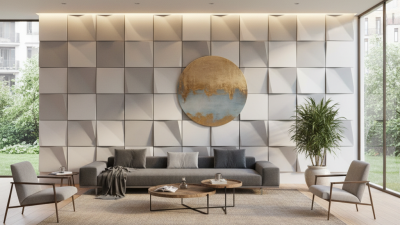
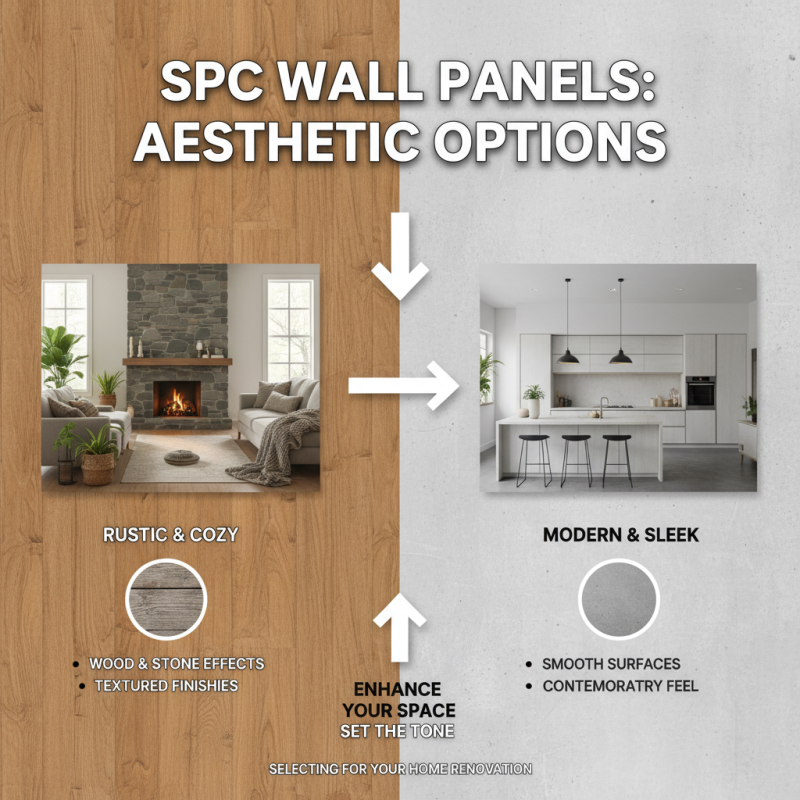
When selecting SPC wall panels for your home renovation, the aesthetic options available can significantly enhance the overall look and feel of your space. Start by considering the existing decor and the ambiance you wish to create. Whether you prefer a modern, minimalist vibe or a more rustic, cozy atmosphere, the design and texture of the SPC panels can set the tone. Textured finishes, such as wood or stone effects, offer depth and character, while smooth surfaces can provide a sleek and contemporary feel.
Tip: Always request samples to see how different designs and textures will work with your lighting and color scheme. An in-person evaluation can help you visualize the final result better than pictures alone.
Furthermore, pay attention to the color palette. Lighter shades can make a room feel more spacious and airy, while darker tones tend to create intimacy and warmth. Don't be afraid to mix and match designs for an eclectic appeal, as layering textures and colors can add dimension to your walls.
Tip: Incorporate a feature wall to draw attention and evoke interest. A bold design or unique texture can serve as a striking focal point, complementing the rest of your home’s aesthetic.
Cost Analysis: Budgeting for SPC Wall Panels in Your Renovation Project
When planning a home renovation, budgeting for SPC wall panels is a crucial step that can significantly influence the overall project costs.
SPC, or Stone Plastic Composite, offers a combination of durability and aesthetic appeal, making it a popular choice among homeowners. However, costs can vary based on factors such as panel thickness, texture, and design. It's essential to determine how much you are willing to spend on materials and installation to ensure you stay within your budget while achieving the desired look for your space.
To effectively budget for SPC wall panels, start by calculating the area you intend to cover. Measure the square footage and consider the price per square foot of the panels you’re interested in. Additionally, factor in any extra expenses, such as adhesives, trim, or labor if you plan to hire a professional installer. It is advisable to seek multiple quotes and explore different suppliers to find the best deals without compromising on quality. Keep in mind that investing a bit more initially in higher-quality panels may save you on replacement costs in the future, as they often provide better longevity and require less maintenance.