How to Choose the Best Uv Board for Your Project?
When embarking on a project that requires durable and versatile materials, choosing the right UV board is crucial. John Smith, a leading expert in the UV board industry, emphasizes, "The right UV board can significantly enhance the longevity of your project." Selecting an appropriate UV board involves understanding its application and the specific features you need.
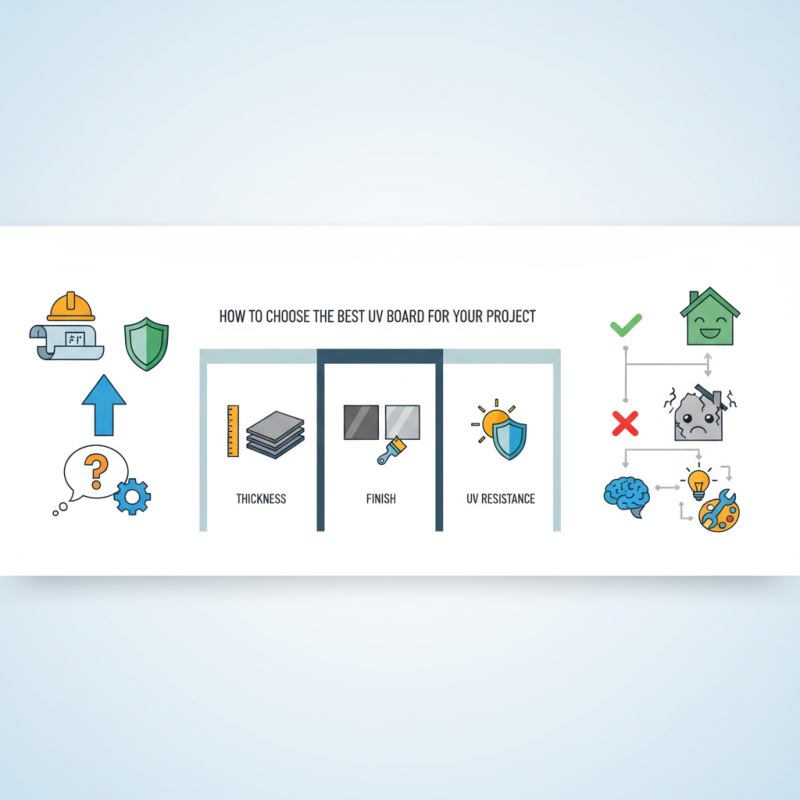
Many factors determine the best UV board for your project. Its thickness, finish, and UV resistance play vital roles in performance. Not all UV boards are created equal. Many builders often overlook essential details, leading to regrettable choices. You might choose a board that lacks proper UV protection, resulting in premature wear.
In the realm of UV boards, the options seem endless. Each choice has unique pros and cons, complicating the decision-making process. It's vital to consider how these factors align with your project's goals. A little reflection on your requirements can save future headaches. Ultimately, a well-informed choice will enhance both aesthetics and functionality.
Understanding UV Board Types and Their Applications in Projects
When choosing UV boards, understanding their types is essential. There are various UV board types, each with its unique properties. For instance, some boards are designed for display and shelving, while others may suit structural applications. The choice depends on the intended use and desired durability.
Some boards offer a glossy finish, which enhances colors and attracts attention. However, this can also show fingerprints and scratches easily. On the other hand, matte finishes can hide imperfections but may not be as visually striking. It's vital to weigh these factors based on your project.
Another consideration is the thickness of the board. Thicker boards provide more strength but can be heavier and harder to work with. Some projects may require flexibility in design, which thinner boards can offer. Reflecting on your project's needs will help you choose the right type.
Think about aesthetics, functionality, and practicality. Making the right choice might take some trial and error, as not all boards perform as expected in every situation.
Evaluating Material Properties: Durability, Weight, and Cost Efficiency
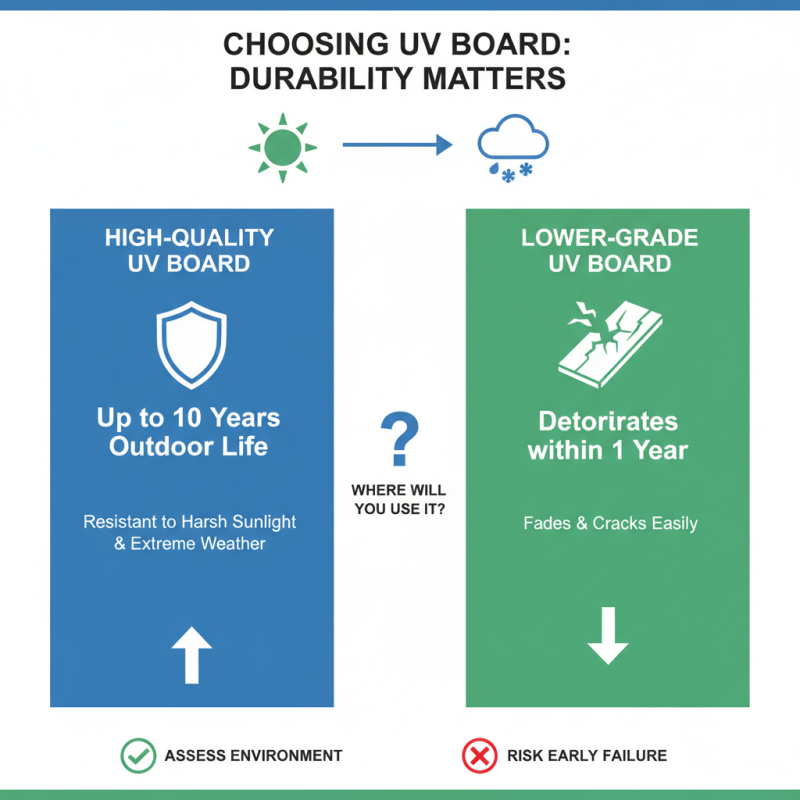
Choosing the right UV board for your project involves a careful evaluation of material properties. Durability is crucial. Reports indicate that high-quality UV boards can last up to 10 years in outdoor conditions. However, lower-grade options may deteriorate within a year. It's vital to assess the environment where the board will be used. Will it face harsh sunlight or extreme weather? Reflecting on these questions is essential.
Weight also plays a significant role. Heavier boards offer sturdiness but can increase shipping costs. Lighter options are easier to handle but may lack strength. A comparative study highlights that lightweight boards can reduce transport costs by 30%. However, compromising too much on weight could lead to reduced durability. Finding the right balance is necessary for efficiency.
Cost efficiency cannot be overlooked. The initial price of a UV board is important. Long-term expenses, like maintenance and replacement, should be considered. Reports suggest that investing in high-quality materials may lower overall costs by 15% over time. This reflects the need to prioritize durability and weight without rushing to the cheapest option, which may result in future regrets.
Assessing UV Resistance: Key Factors for Performance in Outdoor Use
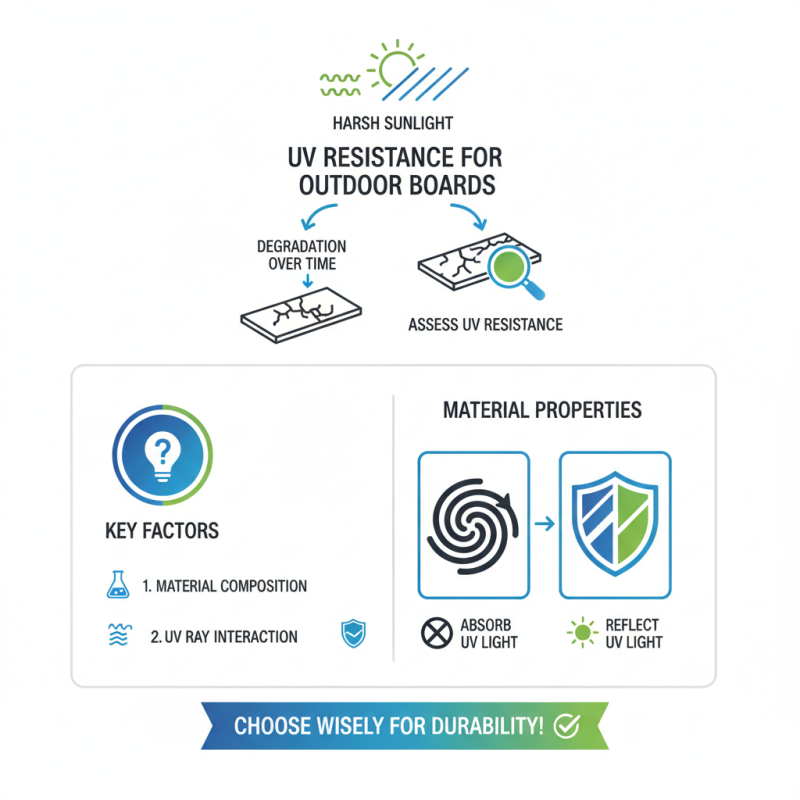
When choosing UV boards for outdoor projects, assessing UV resistance is crucial. UV boards are often exposed to harsh sunlight. This can lead to degradation over time. Various factors determine their resistance to UV rays. Consider the material composition first. Some materials absorb UV light, while others reflect it.
Another factor is thickness. Thicker boards generally offer better protection. However, thickness can add weight, making handling more difficult. Evaluate how the boards will be used. Heavy-duty applications may need tougher materials. On the other hand, lightweight projects might not require the same level of durability.
Color is also important. Darker colors tend to absorb heat, which can affect the board’s lifespan. Lighter colors might be more reflective but could show dirt easily. Test your options in different sun exposures. It’s often hard to judge how a material will age. Make sure to think about the long-term effects. Your choice now can have lasting consequences.
Comparing Surface Finishes: Impact on Aesthetics and Functionality
When selecting a UV board for your project, surface finish plays a crucial role. The surface finish affects both aesthetics and functionality. According to industry reports, a polished surface can enhance gloss and reflectivity, appealing to design-focused projects. In contrast, a matte finish may provide a more subdued look, which some consumers prefer.
In terms of functionality, finishes can influence durability. A rougher surface may be more susceptible to wear, while smooth surfaces often resist scratches better. Research indicates that boards with UV protection maintain their appearance longer, an essential factor for outdoor applications.
**Tip:** Consider the immediate environment of your project. Will it be exposed to harsh sunlight or moisture?
While aesthetics are important, don't overlook the practicality of finishes. Glossy surfaces can highlight imperfections, which might not be ideal for every project. Conversely, matte surfaces can hide minor flaws but may show dirt more readily.
**Tip:** Sample various finishes before making a commitment. Seeing the options in person can provide greater insight into how your project will ultimately look and function.
How to Choose the Best UV Board for Your Project? - Comparing Surface Finishes: Impact on Aesthetics and Functionality
| Surface Finish |
Aesthetic Impact |
Functional Benefits |
Durability |
Cost |
| Glossy Finish |
High shine, reflects light well |
Easy to clean, moisture resistant |
Less durable against scratches |
Medium |
| Matte Finish |
Soft, elegant look |
Conceals fingerprints, anti-glare |
More resistant to scratches |
Low to Medium |
| Textured Finish |
Unique appearance, tactile quality |
Improved grip, hides imperfections |
Durable and resistant to wear |
Medium to High |
| Laminated Finish |
Wide variety of designs and colors |
Protective layer adds longevity |
Highly durable, water-resistant |
High |
| Painted Finish |
Can achieve custom colors |
Good surface adhesion |
Vulnerability to chipping |
Low to Medium |
Industry Standards and Certifications: Ensuring Quality in UV Boards
When selecting UV boards, industry standards and certifications play a crucial role in ensuring quality. Look for certifications from recognized organizations. These certifications indicate that the materials meet specific performance criteria. They often cover aspects like durability, UV resistance, and safety. It’s essential to verify these standards before making a purchase.
Not all boards are created equal. Some may not meet the required specifications, which could lead to problems down the line. This might mean premature wear or inadequate UV protection. Consider the testing processes needed to earn these certifications. A lack of transparency from manufacturers can be a red flag. Always ask for documentation that demonstrates compliance with industry standards.
However, with numerous certifications available, it can be overwhelming. Finding the right balance is key. Not everything labeled as "certified" guarantees excellent performance. Some certifications might be less rigorous than they appear. Take the time to research and understand what each certification entails. This effort can save you from costly mistakes later in your project.