Top Tips for Choosing the Right Pu Stone for Your Project
When embarking on a project that incorporates Pu Stone, the selection process can be daunting. David Johnson, a renowned expert in stone materials, once stated, "Choosing the right Pu Stone can make or break your design vision." Each type of Pu Stone comes with its distinct characteristics, making informed choices crucial.
Pu Stone offers versatility and durability, factors that impact your project's overall aesthetic and longevity. However, the variety can lead to confusion. For instance, differences in color, texture, and finish can significantly influence the final outcome. Understanding these elements is essential.
Navigating this landscape may come with uncertainties. You might find it challenging to match the right shade or texture with your existing design. Embracing the complexities of Pu Stone selection can be rewarding, but it requires careful thought and consideration. Remember, the stone you choose is more than just a material; it shapes the atmosphere of your space.
Understanding PU Stones: Characteristics and Applications
PU stones, or polyurethane stones, are a versatile material used in various applications. They are durable and have excellent resistance to environmental factors. This durability makes them ideal for outdoor projects. PU stones can mimic the appearance of natural stone but offer a lighter weight option. However, they may not possess the same level of authenticity that some designers seek.
When choosing PU stones, consider their texture and finish. Some have a smooth, polished look, while others are more rugged. The choice often depends on the overall design of your project. Additionally, pay attention to the color options available. You may find that certain shades are more suitable for your vision than others. Texture and color can significantly influence the final look.
It's also worth noting that while PU stones are often preferred for their ease of maintenance, they can sometimes scratch easily. This could require more frequent replacements or repairs in high-traffic areas. Reflect on the long-term implications before making a decision. Choosing the right PU stone isn't purely about aesthetics; practical considerations are equally important.
Factors to Consider When Selecting PU Stones for Durability
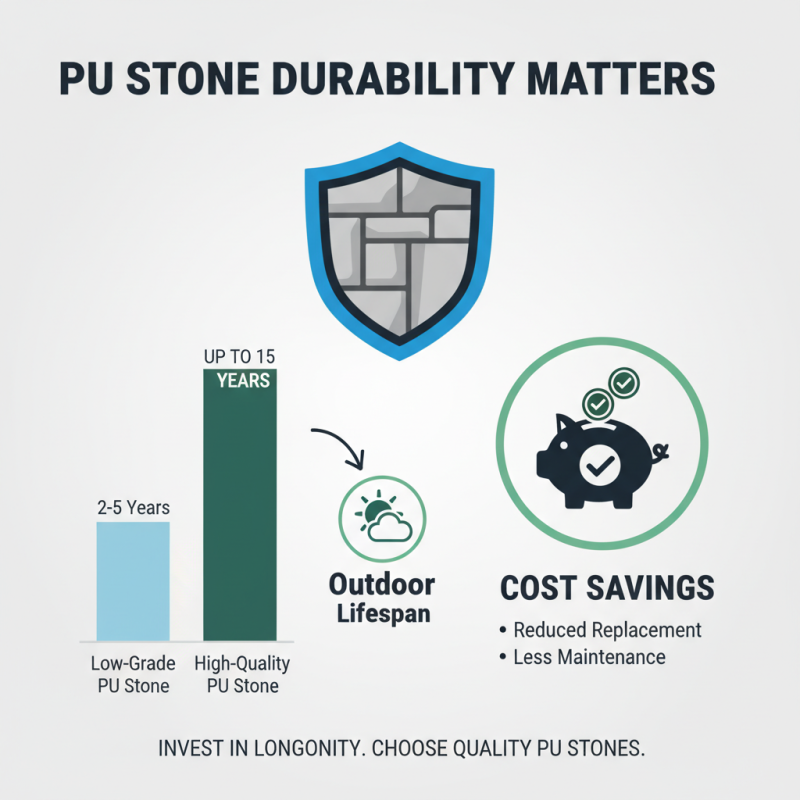
When selecting PU stones for your project, durability is a critical factor. Research indicates that high-quality PU stones can withstand wear and tear significantly better than lower-grade options. In fact, studies show that durable PU stones can last up to 15 years in outdoor conditions. This longevity can save costs in replacement and maintenance.
One must pay attention to factors like UV resistance and impact strength. UV exposure can lead to fading and degradation over time. A study by the Construction Materials Institute found that PU stones with good UV resistance retain their color and integrity much longer. Moreover, impact strength is crucial in areas with heavy foot traffic. Choosing stones with a high rating can prevent chips and cracks.
It's essential to consider the environment where the stones will be used. For instance, coastal areas may require stones with higher salt resistance. A balancing act between aesthetics and durability is necessary. Sometimes, the options that look best may not perform as well. Conducting a thorough evaluation helps avoid costly regrets. This reflection can lead you to a more informed choice, enhancing the project’s success.
Comparing Different Types of PU Stones: Pros and Cons
When selecting the right PU stone, understanding the various types is crucial. Natural PU stones often offer unique textures and colors. They are generally more visually appealing but can be costly. On the downside, they may require more maintenance over time. Synthetic PU stones provide consistency in appearance. They are often more affordable and easier to install. Yet, they may lack the natural beauty that many users desire.
Another option is hybrid PU stones, combining the best of both worlds. They can offer impressive durability while mimicking natural appearances. However, the manufacturing process can sometimes be less eco-friendly. You might find that these stones are not as widely available. This can limit your options when selecting the right fit for your project.
In the end, consider longevity and aesthetic appeal. Are you drawn to the visual warmth of natural stones? Or do you prefer the practicality of synthetic options? Each type has its strengths and weaknesses. It’s essential to reflect on what matters most for your specific project. Your choice should align with both your budget and design goals.
Top Tips for Choosing the Right Pu Stone for Your Project - Comparing Different Types of PU Stones: Pros and Cons
| Type of PU Stone |
Pros |
Cons |
Best Use Cases |
| Flexible PU Stone |
Highly adaptable, excellent for intricate designs |
Less durable under heavy loads |
Decorative features, sculptures |
| Rigid PU Stone |
High durability, load-bearing capacity |
Limited flexibility, heavier |
Structural applications, foundations |
| Self-Leveling PU Stone |
Creates smooth surfaces, easy application |
Longer curing time, can be expensive |
Floors, countertops |
| Polyurethane Foam Stone |
Lightweight, good insulation |
Lower strength, not load-bearing |
Insulation, lightweight props |
Industry Insights: PU Stone Performance Metrics and Standards
When selecting a PU stone, performance metrics play a crucial role. Understanding the physical properties is key. First, look at the compressive strength. A stone with high compressive strength withstands pressure better. This is essential for outdoor projects or heavy-duty applications.
Next, consider the moisture resistance. Some PU stones absorb water, leading to damage over time. Always check the water absorption rate. A lower rate indicates better durability. Color fastness is another important factor. A stone that fades quickly may not last in sunlight.
Lastly, consider environmental impact. Some options may be more sustainable than others. Reflecting on these metrics can help you make a better choice. Quality standards vary, and not all products meet high benchmarks. Doing your research is vital. Your project deserves a PU stone that combines performance and longevity.
Cost Analysis: Budgeting for Your PU Stone Project
When budgeting for a PU stone project, it's essential to consider various cost factors. The price of PU stone can vary greatly. According to industry reports, the average cost ranges from $50 to $100 per square meter. This pricing can significantly impact your overall budget, especially for large-scale projects.
Labor costs are another crucial aspect. Installing PU stone requires skilled professionals, which can add between $30 to $60 per hour. A complex design might take longer to install, increasing labor costs. Even minor design mistakes during installation can lead to expensive adjustments. It's vital to account for these potential expenses when planning.
Moreover, consider the long-term maintenance costs. While PU stone is durable, factors like weather and wear can affect its lifespan. Regular upkeep can save money in the long run. Allocating 10-15% of your initial budget for maintenance is sensible. Reflect on these nuances to avoid overspending and ensure your project stays within financial limits.
Cost Analysis of Different PU Stone Options