How to Choose the Right UV Board for Your Project?
When embarking on a project, selecting the right UV board is crucial. The variety of options can feel overwhelming. Understanding the features and benefits of different UV boards helps in making an informed choice.
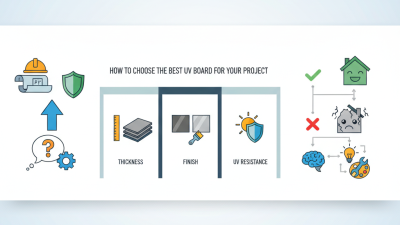
UV boards are popular for their durability and resistance to moisture. They are suitable for both indoor and outdoor use. However, not all UV boards are created equal. It is essential to consider factors such as thickness, surface finish, and intended application. These elements can significantly impact the performance of your project.
Additionally, seek advice from experts or peers who have worked with UV boards. Their insights can help you navigate your options effectively. Choosing the right UV board can enhance your project’s longevity and aesthetic appeal. Don't rush; take time to weigh your choices carefully.
Understanding UV Boards: Types and Characteristics
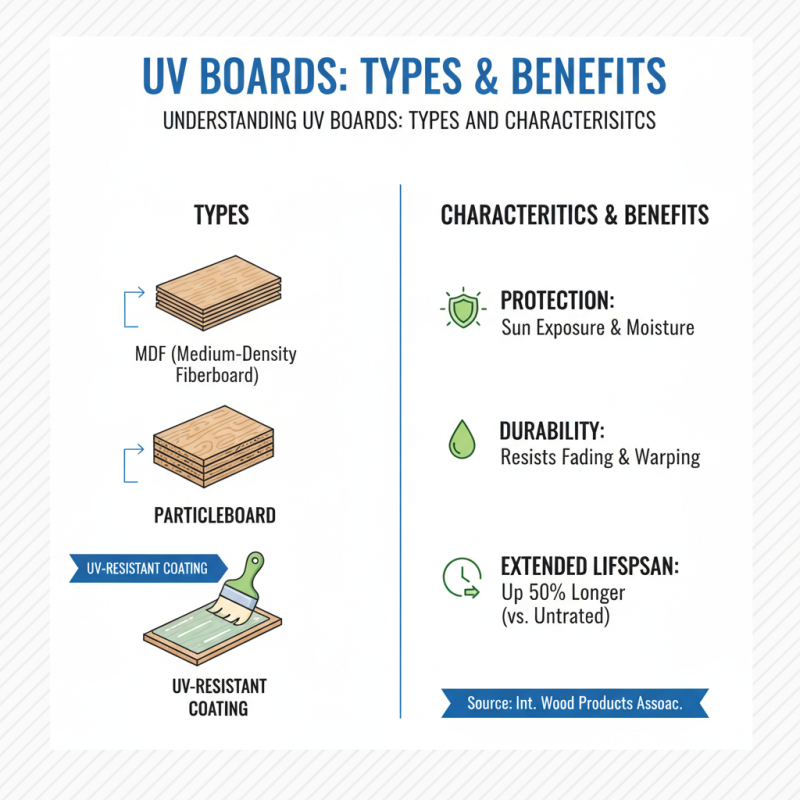
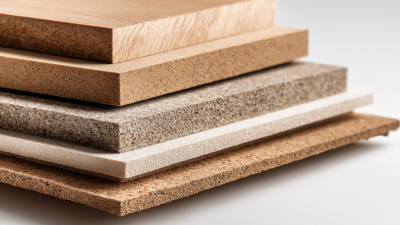
When selecting the right UV board for your project, understanding the types and characteristics is crucial. UV boards are primarily made from various materials, including MDF and particleboard, coated with UV-resistant finishes. This coating helps in protecting the surfaces from sun exposure and moisture. It's useful to note that the International Wood Products Association reports that UV-coated boards can last up to 50% longer than untreated alternatives in outdoor conditions.
A key characteristic of UV boards is their thickness, which typically ranges from 8mm to 25mm. Thicker boards provide better durability but may increase the overall weight of your project. The finish also plays a significant role. Matte finishes reduce glare and are less prone to showing fingerprints, making them ideal for furniture. Gloss finishes, however, can enhance colors and create a sleek appearance, which is appealing for modern designs.
Choosing the right type also necessitates an understanding of application needs. For areas with high humidity, boards with added moisture resistance are necessary. Research indicates that improper selection can lead to warping and damage over time. Engage with suppliers to discuss your specific requirements. This dialogue can provide insights into sourcing the most suitable product for your project. The key is to balance performance with your design vision while being aware of the limitations that certain types of UV boards may present.
Evaluating Your Project Requirements for UV Boards
When evaluating your project requirements for UV boards, it’s crucial to consider several factors. The type of materials you plan to use plays a significant role. For instance, UV boards are commonly preferred in environments requiring durability against moisture and sun exposure. According to a recent industry report, UV-resistant materials can extend product life by 30% or more compared to standard boards.
Think about the project’s specific needs. Will the board be exposed to extreme temperatures? This affects your choice significantly. UV boards are available in various thicknesses and densities, which can influence performance under stress. Choosing the right thickness can prevent structural failure.
Tips: Always consult with industry professionals to gain insights. Their experiences can highlight potential pitfalls you may overlook.
Consider the environmental impact as well. Many UV boards now come with sustainable certifications. This aligns with the growing demand for eco-friendly solutions. However, not all products are created equal, and quality can vary. Ensure that you review detailed specifications and test reports for confidence. The decision should be informed by both current and anticipated usage scenarios.
Comparing Material Options for UV Boards
When selecting the right UV board for your project, comparing material options is crucial. Common materials include acrylic, polycarbonate, and PVC. Each offers unique properties that influence durability, clarity, and UV resistance. Acrylic boards are lightweight and have excellent clarity, making them ideal for signage and displays. However, they can be prone to scratching and may not withstand impact as well as others.
Polycarbonate boards provide superior strength and impact resistance. They are often used in applications where safety is a priority, such as protective barriers. The downside is that they can be heavier and more expensive than acrylic. PVC boards are another option; they are cost-effective and resistant to chemicals. Yet, they may lack the aesthetic appeal and rigidity of acrylic and polycarbonate.
Choosing the right material often requires weighing performance against budget. You might realize that your initial choice isn’t the best for long-term use. Reflecting on these aspects ensures that your final decision aligns with your project’s goals and requirements. Understanding the nuances of each material can lead to a more informed selection.
Assessing Durability and Maintenance Needs of UV Boards
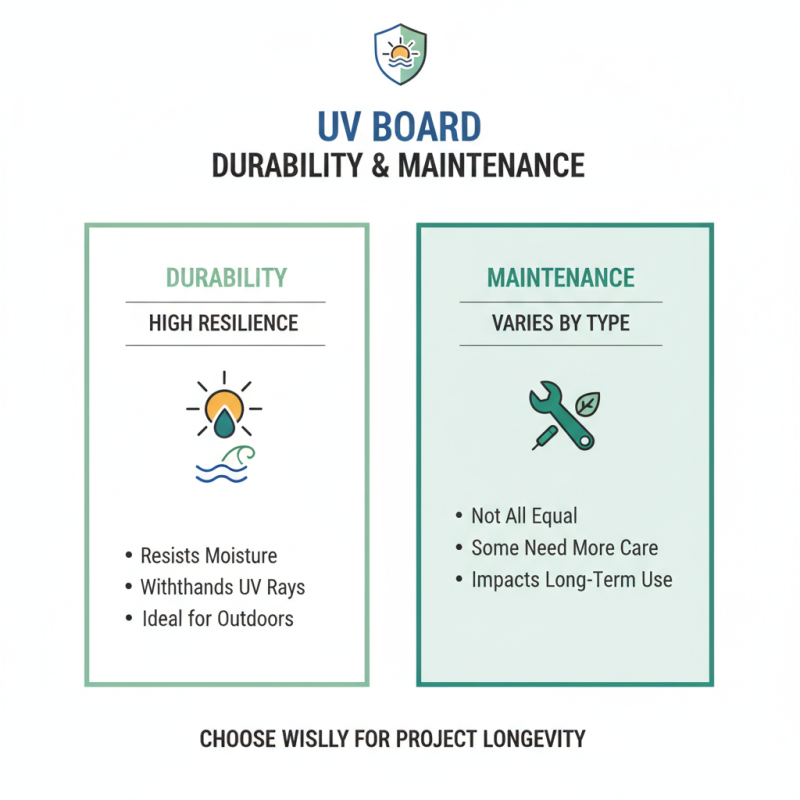
When choosing the right UV board for your project, durability and maintenance are key factors. UV boards are known for their resilience against harsh environmental conditions. They can withstand moisture and UV rays, making them ideal for various outdoor applications. However, not all UV boards are created equal. Some may require more maintenance than others, which can impact long-term usability.
Tips: Consider the specific environment where your UV board will be used. If exposed to high moisture, look for boards specifically rated for water resistance. Regular inspections can help catch wear early.
Different UV boards have different maintenance requirements. Some boards may need periodic cleaning, while others might require protective coatings to enhance longevity. It is essential to assess your project’s needs. A more durable board might have a higher upfront cost but can save money down the line with less maintenance.
Tips: Pay attention to the manufacturer's recommendations. They can provide guidelines on lifespan and care. Don’t hesitate to ask for samples to evaluate their texture and finish before making a decision.
Cost Considerations and Budgeting for UV Boards
When budgeting for UV boards, consider the overall costs and their long-term value. High-quality UV boards may have a higher upfront cost, but they can offer better durability. This might lead to savings on replacements in the future. It's essential to analyze your project requirements and expected usage to determine the right type of UV board.
Set a budget that reflects both your financial constraints and project goals. Research different types and grades available in the market. Be mindful of total expenses, including additional elements like installation and maintenance. Exploring different suppliers can help find competitive prices.
It's crucial to remember that cheaper options may not deliver the desired performance. In many cases, investing slightly more upfront can prevent frequent repairs or replacements. Balancing cost and quality requires careful thought. Don’t rush the decision. Time spent evaluating options can yield significant returns later.
Cost Comparison of Different UV Board Types
This chart illustrates the cost per square meter of various types of UV boards. When budgeting for your project, consider the material type and its specific properties in relation to your project's requirements.