10 Essential Tips for Choosing the Right UV Board for Your Projects?
Choosing the right UV board for your projects is crucial. With various options available, decision-making can be challenging. The right UV board enhances durability and aesthetic appeal. It will also affect project costs significantly.
Understanding the specifications and features of UV boards is essential. Not all boards are created equal. Factors like thickness, color, and surface finish influence the final result. Evaluating these details helps create quality outcomes.
Reflect on your project needs before selecting a UV board. Experience plays a vital role in making the right choice. Seek recommendations from professionals in the field. Reliable sources offer insights that can be invaluable. Ultimately, a suitable UV board can elevate your project's success and longevity.
Understanding UV Boards: Types and Characteristics
When selecting a UV board for your projects, understanding the various types and characteristics is crucial. UV boards come in several forms, including PVC, acrylic, and composite materials. Each type offers unique benefits. For instance, PVC is lightweight and moisture-resistant, making it ideal for outdoor use. Acrylic, on the other hand, shines in terms of clarity and durability, perfect for display items.
Considering your project requirements can lead you to the right choice. Evaluate the environment where the board will be used. Extreme temperatures may impact its performance. Additionally, think about how you plan to finish the board. Some UV boards are easier to paint or laminate than others.
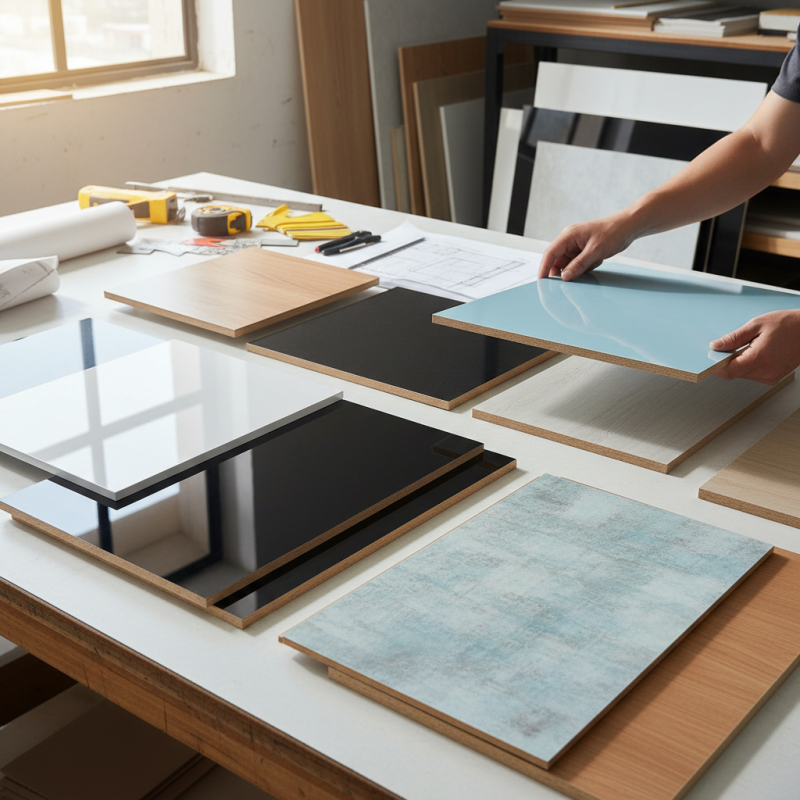
One essential tip is to sample different materials before making a decision. Feel the texture and look at the colors. Don’t overlook the board's thickness, as this can affect its strength and usability. It’s also worth noting that not all UV boards are created equally; some may warp over time. Understanding these characteristics helps ensure you select the best option for your needs.
Key Factors to Consider When Selecting UV Boards
When selecting UV boards, it’s crucial to evaluate several key factors. First, consider the UV resistance rating. A higher rating indicates better protection against UV degradation. Reports suggest that boards with a UV resistance of at least 80% are ideal for outdoor applications. This ensures longevity and color retention under harsh sunlight.
Thickness is another vital factor. It directly affects durability and rigidity. The industry standard typically varies from 1mm to 5mm. Boards with greater thickness tend to withstand physical stress better, but they may be heavier and more challenging to install. Evaluating your project's specific demands will guide your choice here.
Surface texture impacts aesthetics and functionality. Smooth surfaces are easier to clean but may show scratches more readily. Conversely, textured finishes can provide better grip but may require more maintenance. Each choice has trade-offs that require careful consideration. The right board should balance these factors based on the environment and usage. Be ready to adjust your expectations based on project needs and material limitations.
Top 10 Factors to Consider When Choosing UV Boards
Exploring Aesthetic Options for Your UV Board Projects
When choosing UV boards for aesthetic projects, consider colors and textures that enhance your design. Vivid colors can make a striking statement. Soft, muted tones may create a calming effect.
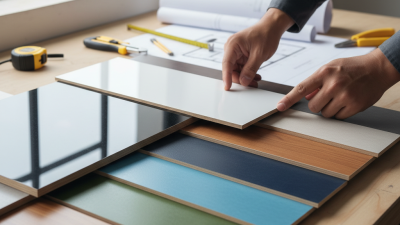
Tip: Always request samples before committing. This helps you visualize how the board will actually appear in your space. Look for options that allow for customization. Not every UV board offers the same finish or texture.
Explore different surfaces for distinct effects. Matte finishes absorb light, while gloss reflects it. Each choice alters the project's mood. Don’t hesitate to mix and match textures for added depth.
Tip: Think about durability alongside aesthetic appeal. A beautiful board should also stand the test of time. Assess potential wear and tear in your specific environment.
Embrace imperfections in the process. An unexpected scratch or dent can add character. Reflect on how these elements contribute to the overall aesthetic. Balancing function with style is key to achieving your project goals.
Budgeting for UV Boards: Cost vs. Quality Considerations
When budgeting for UV boards, consider the balance between cost and quality. A recent industry report by the Global Outdoor Industry Association highlights that 70% of buyers prioritize durability over initial pricing. Cheaper options often lack essential features. For example, low-quality boards may warp or fade within a year. Investing in higher-quality UV boards often translates to longer-lasting performance.
Quality materials generally mean higher costs, but price should not be your only consideration. A study from the Manufacturers Association reveals that 40% of consumers replace lower-quality boards much sooner, leading to unforeseen expenses. You may save initially but face greater costs down the road. It's crucial to evaluate the board's UV protection rating, which directly impacts longevity. Some boards provide better protection and, consequently, prove to be more cost-effective over time.
Consider your project's demands. Environmental factors like humidity or sun exposure can affect performance. While you might find a budget-friendly option, it might not withstand the conditions. The choice of materials and construction method can drastically alter the board's lifespan. Reflect on what features you truly need. It is worth asking yourself, is the lowest price really the best choice for your project’s longevity?
10 Essential Tips for Choosing the Right UV Board for Your Projects - Budgeting for UV Boards: Cost vs. Quality Considerations
| Tip |
Description |
Cost Range ($) |
Quality Level |
| 1. Identify Your Requirements |
Consider the specific applications and durability needs. |
50-150 |
Basic |
| 2. Evaluate UV Resistance |
Look for boards with high UV stability for outdoor use. |
80-200 |
Medium |
| 3. Compare Material Types |
Decide between PVC, acrylic, or other materials. |
60-180 |
Varied |
| 4. Check Surface Finish |
Smooth finishes may cost more but offer better aesthetics. |
100-250 |
Premium |
| 5. Assess Thickness Options |
Thickness impacts durability and cost. |
70-220 |
Basic to Premium |
| 6. Determine Color Choices |
Some colors may carry a premium price. |
90-230 |
Varied |
| 7. Review Brand Reputation |
Research reputable manufacturers for quality assurance. |
100-300 |
High |
| 8. Look for Warranty Options |
A good warranty can indicate a quality product. |
Varies widely |
Varied |
| 9. Understand Maintenance Needs |
Some boards require more upkeep than others. |
50-200 |
Basic to Medium |
| 10. Compare Prices and Features |
Make sure to balance cost against features and quality. |
50-300 |
All levels |