10 Essential Tips for Working with Soft Stone in Your Projects
As the demand for unique and aesthetically pleasing materials continues to rise in the construction and design industries, the use of "Soft Stone" has become increasingly prevalent. Soft stones, such as limestone and soapstone, offer versatility and an array of natural textures that can elevate any project. According to a report by the International Stone Institute, the soft stone market has seen a growth of 12% over the past five years, driven by architects and designers seeking sustainable and visually appealing materials. This growth highlights the importance of understanding how to work effectively with these materials to maximize their potential in various applications.
Industry expert Dr. Emily Hart, a noted geological engineer and author of several publications on stone materials, emphasizes, “The ability to manipulate soft stone allows artisans to create intricate designs while achieving durability and sustainability.” Her insights underline the significance of having practical knowledge and techniques when working with soft stones. This knowledge is essential not only for achieving the desired outcomes in projects but also for ensuring long-term performance and aesthetic appeal.
In this article, we will explore ten essential tips for working with soft stone in your projects, drawing on expert advice and industry best practices to help you navigate the unique challenges and opportunities these materials present. Whether you are a seasoned professional or a newcomer to the field, these insights will guide you in maximizing the beauty and functionality of soft stone in your design schemes.
Understanding the Characteristics of Soft Stone in Crafting Projects
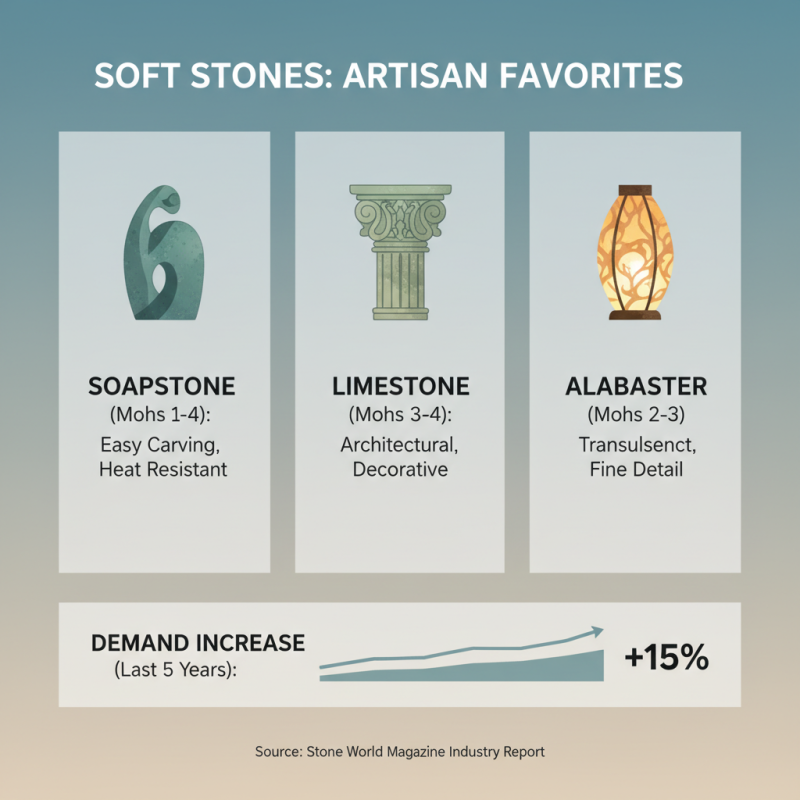
Soft stone materials such as soapstone, limestone, and alabaster are favored in a wide range of crafting projects due to their unique characteristics and ease of work. Unlike harder stones, soft stones typically have a Mohs hardness of 1 to 5, allowing artisans to carve and shape them with relative ease. According to the Stone World Magazine's Industry Report, the demand for soft stone in architectural and decorative projects has increased by 15% over the last five years, indicating a growing appreciation for their aesthetic qualities and versatility.
The porous nature of many soft stones contributes to their distinct properties, including the ability to absorb colors during finishing processes, which can enhance the visual impact of a finished piece. For instance, the water absorption rates of commonly used soft stones hover around 1-5%, depending on the variety, which can significantly affect how they are treated and sealed. Additionally, soft stones are renowned for their thermal properties, making them ideal for crafting items like fireplaces or countertops, providing a blend of beauty and functionality. Understanding these characteristics is crucial for any craftsman aiming to maximize the potential of soft stone in their projects, ensuring that they can create durable and visually appealing works.
Choosing the Right Tools for Working with Soft Stone Effectively
When working with soft stone, selecting the right tools is crucial to achieving effective and precise results. Begin by choosing hand tools that are designed for softer materials, such as chisels and rasp files. These tools allow for greater control and finesse, making it easier to shape and refine the stone without causing damage. For larger projects, consider using power tools such as rotary tools equipped with diamond bits. These can significantly speed up the process while still providing intricate detail work. Always ensure that your tools are sharp and in good condition, as blunt edges can lead to uneven surfaces and increased effort.
Additionally, safety should remain a priority when selecting your tools. Equip yourself with proper safety gear, such as goggles and dust masks, to protect against particles created during the cutting and shaping process. Dust generated from soft stone can be harmful when inhaled, making it essential to work in a well-ventilated area or use a dust extraction system. Lastly, consider the weight and ergonomics of your tools; comfortable handling can reduce strain and allow for longer, more productive work sessions. By carefully selecting and maintaining your tools, you can enhance your experience and the quality of your finished projects.
Soft Stone Tool Efficiency Comparison
Essential Safety Precautions When Handling Soft Stone Materials
When working with soft stone materials, safety should always be the top priority. First and foremost, wearing the right personal protective equipment (PPE) is crucial. This includes gloves to protect your hands from sharp edges and dust, safety goggles to shield your eyes from particles, and a dust mask to prevent inhalation of fine stone dust. Soft stone can generate dust that may cause respiratory issues, so it’s essential that workers are properly equipped to avoid health risks.
In addition to personal protective gear, setting up a safe work environment is essential. Ensure that your workspace is well-ventilated, particularly when cutting or grinding the stone. Using tools designed for soft stone will not only enhance efficiency but also minimize the risk of accidents. It's also advisable to keep the work area organized and free of trip hazards, as movements around heavy and potentially unstable materials can lead to injuries. Regularly inspect tools and materials for damage, and adopt a cautious approach to avoid mishaps during handling. These precautions will create a safer atmosphere and ensure smooth project execution.
Techniques for Shaping and Sculpting Soft Stone with Precision
When working with soft stone, precision is key to achieving the desired results in both sculpting and shaping. Techniques such as using diamond-tipped tools offer a level of accuracy that is crucial for fine detailing.
According to a report by the Stone Council, approximately 70% of stone artists prefer utilizing diamond tools for their projects due to their efficiency and precision. This choice significantly reduces material wastage while ensuring clean cuts and refined sculptures.
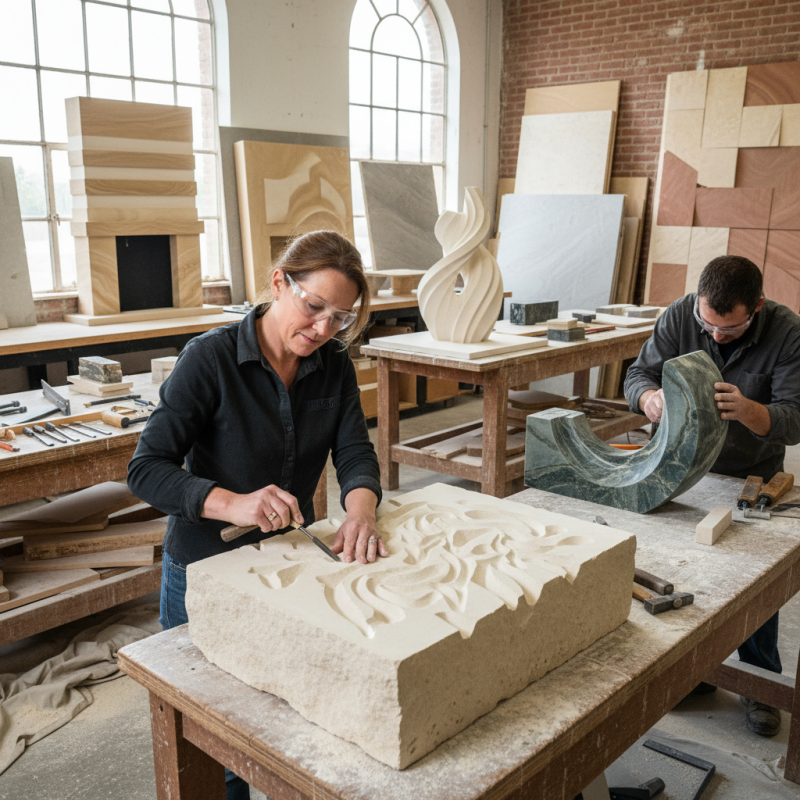
In addition, proper planning and technique are essential when sculpting soft stone. Artists are advised to begin their projects with a clear design and make use of soft stone chisels and rasps, which allow for better control and smoother finishes.
A recent study published in the Journal of Stone Arts highlighted that using the right hand tools can boost productivity by up to 40%. The careful approach to shaping soft stones, incorporating techniques like chiseling and sanding, results in artwork that not only captures intricate details but also aligns with the natural texture of the stone, enhancing its aesthetic appeal.
Finishing and Sealing Soft Stone for Durability and Aesthetics
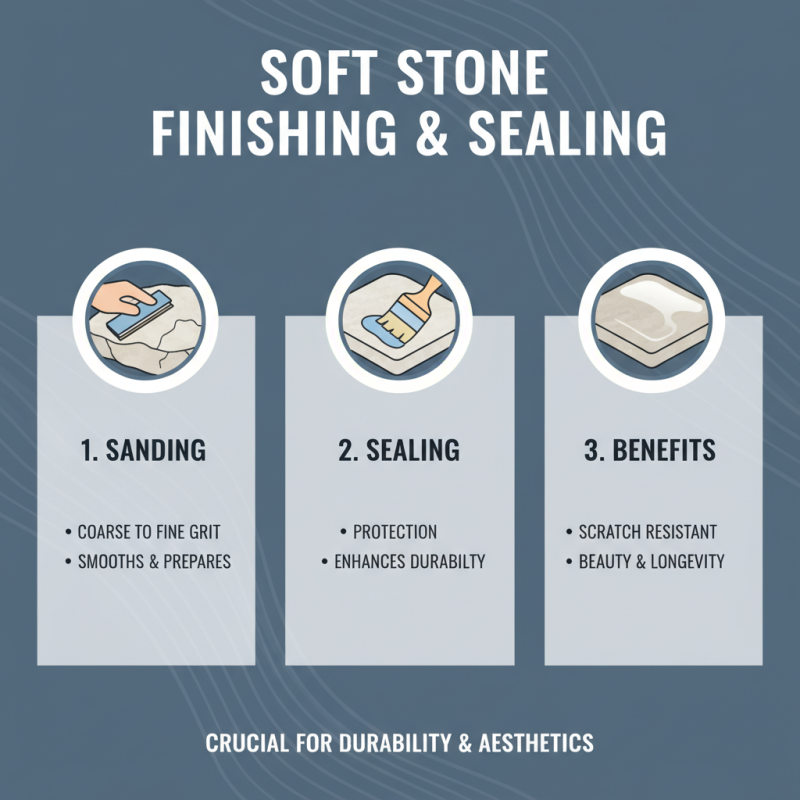
When working with soft stone, proper finishing and sealing techniques are crucial to enhance both durability and aesthetics. Soft stones, such as soapstone or limestone, can be prone to scratching and weathering, making it essential to select the right finishing methods. Sanding should begin with coarse-grit sandpaper to smooth out rough edges, gradually moving to finer grits for a polished surface. This not only improves the appearance but also prepares the stone for sealing, ensuring maximum adhesion.
Sealing is the next pivotal step in protecting soft stone. A high-quality stone sealer provides a barrier against moisture, stains, and other elements that can compromise the integrity of the stone over time. It’s important to apply the sealer evenly and allow it to penetrate fully according to the manufacturer's instructions. Regular maintenance, including periodic reapplication of the sealer, will help preserve the stone's beauty and extend its lifespan. Additionally, choosing a sealer that enhances the natural color and texture of the stone can significantly elevate the overall aesthetic of your project.