How to Use Flexible Stone for Home Decor and Renovation Projects in 2025
In recent years, the interior design and renovation industry has seen a significant shift towards innovative materials that not only enhance aesthetics but also offer practical benefits. One such material gaining traction is "Flexible Stone." According to a report by the Interior Design Association, the market for Flexible Stone products is projected to grow by over 15% annually through 2025, driven by increasing consumer interest in sustainable and versatile home decor solutions. As homes evolve into more personalized spaces, designers and homeowners alike are looking for materials that blend durability with sophistication.
Expert in innovative building materials, Dr. Emily Carter, emphasizes the unique advantages of Flexible Stone: "This material transforms the traditional concept of stone by providing flexibility in application while maintaining the stunning natural look that consumers desire." With its lightweight nature, Flexible Stone opens up new possibilities for creative designs in both renovations and new constructions. As we delve into the myriad ways to incorporate Flexible Stone in home décor and renovation projects, it is essential to understand its characteristics, benefits, and the trends that are shaping its usage in 2025 and beyond.
Understanding Flexible Stone: Features and Benefits for Home Decor
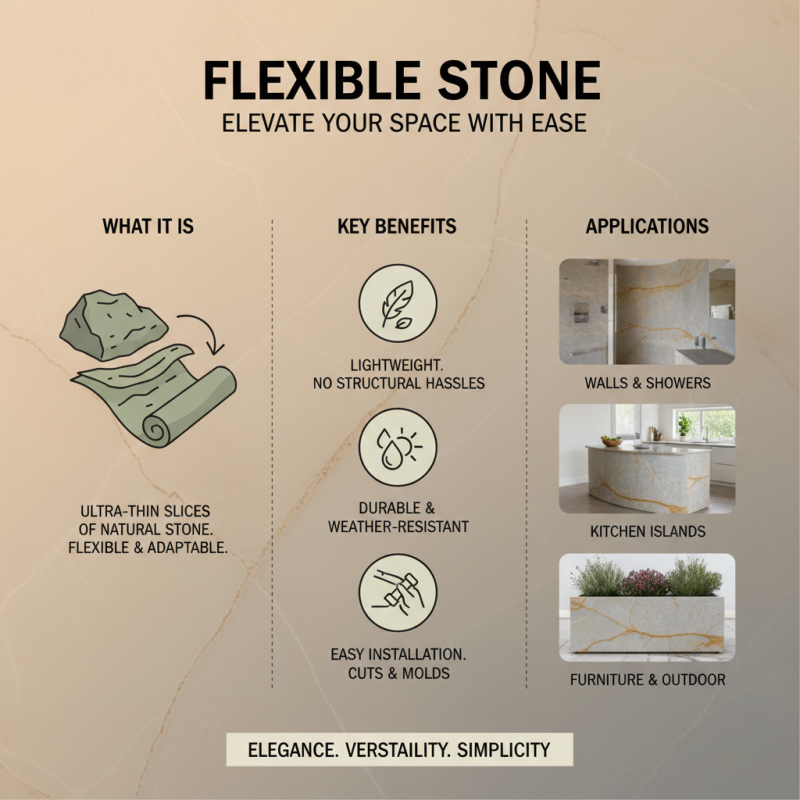
Flexible stone is an innovative material gaining popularity in home decor and renovation projects due to its versatile features and numerous benefits. This natural stone, which is sliced into ultra-thin sheets, can be easily applied to various surfaces, offering an elegant finish reminiscent of traditional stone but with enhanced practicality. One of the main advantages of flexible stone is its lightweight nature, allowing homeowners to incorporate it into spaces without the structural concerns associated with heavier materials.
When considering flexible stone for your decor, it's essential to understand how it can transform your living space. Its unique texture and rich colors can add a touch of luxury to walls, countertops, and even furniture. Additionally, flexible stone is resistant to water and UV rays, making it suitable for both indoor and outdoor applications. Homeowners can achieve stunning aesthetics while ensuring durability and ease of maintenance.
**Tips:** When using flexible stone, always prepare the surface properly to ensure adhesion. Test a small area before full application to see how the stone complements your design. For outdoor projects, consider selecting flexible stone with higher durability ratings to withstand environmental elements while maintaining its beauty.
Choosing the Right Type of Flexible Stone for Your Renovation Project
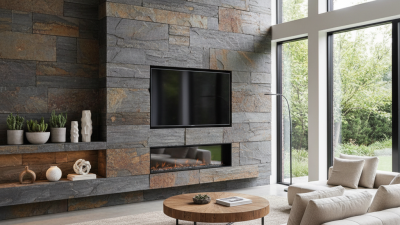
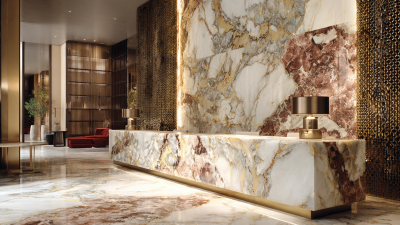
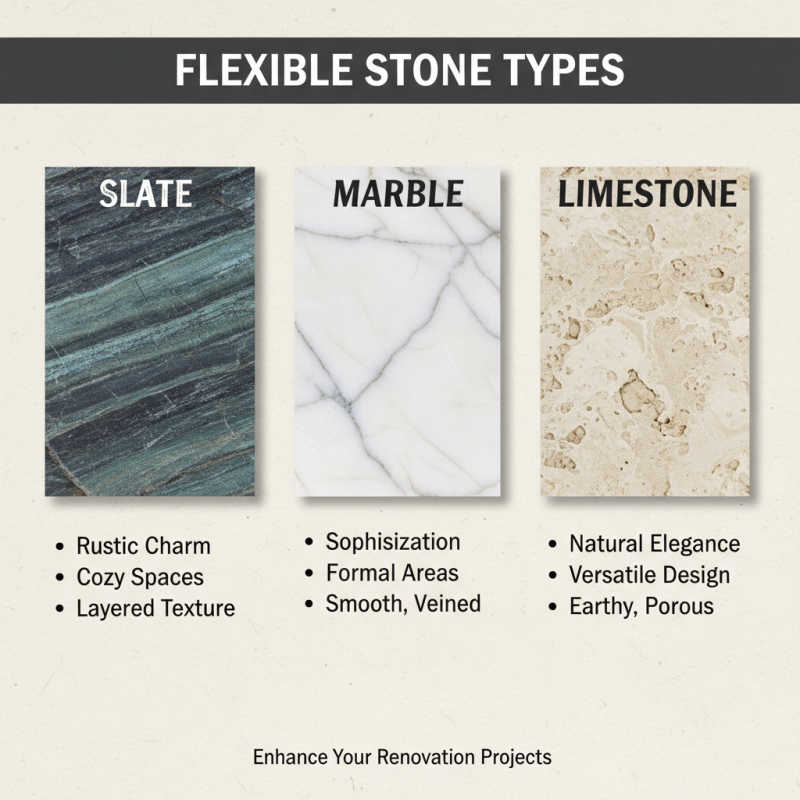
When selecting flexible stone for your renovation projects, understanding the different types available is essential for achieving the desired aesthetic and functional outcomes. Flexible stone typically comes in various materials, including slate, marble, and limestone. Each material offers a unique texture and color palette, allowing homeowners to find the perfect match for their interior or exterior design schemes. For example, slate provides a rustic charm that can enhance a cozy living space, whereas polished marble can lend an air of sophistication to more formal areas.
Another critical factor to consider is the thickness and application method of the flexible stone. Thinner variants can be applied in more unconventional spaces, such as curved surfaces or columns, whereas thicker stones may be more suited to flooring or feature walls. It’s also vital to consider the installation environment—areas prone to moisture may require more durable options to prevent damage over time. Ultimately, choosing the right type of flexible stone involves balancing aesthetic preferences with practical considerations to create stunning and enduring renovations in your home.
Techniques for Applying Flexible Stone in Home Interiors
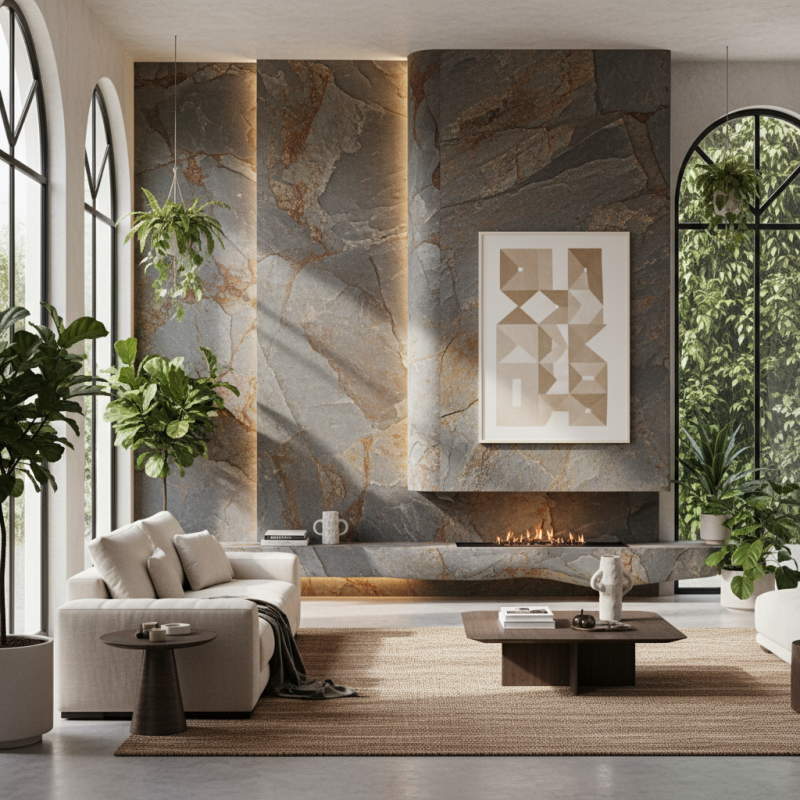
Flexible stone is emerging as a popular choice for home interiors, offering a unique blend of aesthetic appeal and practical application. One technique for incorporating flexible stone involves using it as wall cladding to create stunning feature walls. By adhering thin layers of flexible stone to drywall or existing surfaces, homeowners can easily achieve a natural stone look without the heavy weight and installation complexity of traditional stone. This technique not only enhances visual interest but also adds texture and depth to any room.
Another effective method is using flexible stone as a backsplash in kitchens or bathrooms. The lightweight nature of the material allows for easy cutting and shaping, making it ideal for intricate designs and patterns. Homeowners can experiment with various colors and finishes, from polished to rustic, to match their decor styles. Additionally, the application process involves basic adhesive techniques, making it accessible for DIY enthusiasts looking to revitalize their spaces. By embracing these techniques, flexible stone can significantly elevate the overall design of a home, providing both beauty and functionality.
Creative Ideas for Using Flexible Stone in Outdoor Spaces
Flexible stone is an innovative material that can transform outdoor spaces into stunning areas for relaxation and entertainment. Its lightweight and adaptable nature makes it perfect for creative applications such as outdoor kitchens, patios, and garden pathways. When designing an outdoor kitchen, flexible stone can be applied to countertops and islands, providing a natural stone look without the heavy weight and cumbersome installation of traditional stone. This versatility allows homeowners to create a cohesive aesthetic that enhances the overall ambiance of their outdoor living area.
In addition to functional uses, flexible stone can also serve as an artistic element in outdoor spaces. For instance, homeowners can utilize flexible stone to create unique wall features or decorative garden borders that complement the surrounding greenery. The array of colors and textures available allows for endless design possibilities, making it easy to match the flexible stone with existing landscaping. Furthermore, consider incorporating flexible stone as part of water features or fire pits, where its heat resistance and natural beauty can shine while enhancing the outdoor experience.
Flexible Stone Usage in Home Decor for 2025
Maintenance and Care Tips for Long-lasting Flexible Stone Applications
Flexible stone has become a popular choice for home décor and renovation due to its versatility and aesthetic appeal. However, to ensure its longevity, proper maintenance and care are essential. According to a report by the National Association of Home Builders, homes incorporating natural materials, such as flexible stone, tend to have a higher resale value, showing a clear trend towards homeowners favoring sustainable and long-lasting options. Regular cleaning with non-abrasive, pH-balanced detergents can help maintain the stone's finish and prevent discoloration, allowing homeowners to preserve its natural beauty.
In terms of maintenance frequency, experts suggest that flexible stone should be sealed every 1-3 years, depending on exposure to moisture and traffic levels in the area of application. A recent study in the Journal of Building Materials indicated that utilizing sealants can enhance the durability of stone surfaces by up to 60%. Additionally, it's critical to avoid harsh chemicals and abrasive materials during cleaning, as these can damage the stone's surface. By incorporating these care tips, homeowners can keep their flexible stone installations looking pristine while maximizing their investment over time.
How to Use Flexible Stone for Home Decor and Renovation Projects in 2025 - Maintenance and Care Tips for Long-lasting Flexible Stone Applications
| Project Type |
Recommended Thickness (mm) |
Color Options |
Maintenance Frequency |
Care Tips |
| Wall Covering |
3-5 |
Gray, Beige, Brown |
Every 6 months |
Use a soft damp cloth; avoid harsh chemicals |
| Flooring |
5-10 |
Black, White, Slate |
Every 3 months |
Sweep regularly; use a pH-neutral cleaner |
| Countertops |
8-12 |
Marble, Granite, Quartz |
Every 1 year |
Seal regularly; clean spills immediately |
| Decorative Features |
3-8 |
Custom Finishes |
As needed |
Dust with a soft cloth; avoid water exposure |