Ultimate Guide to Choosing WPC Wall Panels in 2025 for Your Home
In the ever-evolving landscape of home design, the choice of materials plays a crucial role in defining both aesthetics and functionality. Among the myriad options available, WPC wall panels have emerged as a popular choice for homeowners looking to balance style with durability. As we venture into 2025, selecting the right WPC wall panel involves not only understanding the material's benefits but also navigating through a comprehensive range of styles and applications.
Industry expert, Sarah Thompson, a renowned architect specializing in sustainable building materials, asserts, “Choosing the right WPC wall panel can dramatically transform your home's interior and exterior, offering a perfect blend of modern design and lasting performance.” Her insights reflect the growing trend of integrating sustainable materials into home design, particularly as homeowners increasingly prioritize both eco-friendliness and maintenance-free solutions.
This ultimate guide aims to equip you with the knowledge needed to make informed decisions about WPC wall panels, exploring key factors such as composition, installation, and design preferences. As we unpack the essentials of WPC wall panels in this guide, it’s essential to acknowledge how these materials can significantly impact your living spaces while contributing to sustainable architecture.

Why Choose WPC Wall Panels? Key Benefits for Homeowners in 2025
WPC (Wood Plastic Composite) wall panels have gained significant popularity among homeowners in 2025, thanks to their unique blend of aesthetics and functionality. One of the primary advantages of WPC wall panels is their resistance to moisture and decay, making them an ideal choice for areas prone to humidity. Homeowners can enjoy beautiful, long-lasting walls without the fear of warping or damage commonly associated with traditional wood products. Furthermore, WPC panels are environmentally friendly, often made from recycled materials, thus appealing to those looking to make sustainable choices for their homes.
When selecting WPC wall panels, consider the style and design that best complements your space. Here are some tips: First, assess the color scheme and overall ambiance of your interior to choose panels that enhance your decor. Second, examine the panel thickness and texture options, as these factors contribute not only to aesthetic appeal but also to insulation and soundproofing. Finally, always look for panels with a warranty, ensuring that your investment is protected and that the quality meets your expectations.
Additionally, WPC wall panels require minimal maintenance compared to their wooden counterparts. A simple wipe-down with a damp cloth is often enough to keep them looking new. For homeowners in 2025, choosing WPC wall panels means embracing modern living with less hassle and more style.
Key Benefits of WPC Wall Panels for Homeowners in 2025
Understanding WPC Composition: Materials and Manufacturing Processes
WPC, or Wood Plastic Composite, has gained significant popularity in home construction and design due to its durability and aesthetic appeal. Understanding its composition is crucial when considering WPC wall panels for your living space. WPC typically consists of a blend of wood fibers and thermoplastics, such as polyethylene or polyvinyl chloride (PVC). This combination allows for the natural look and texture of wood while incorporating the resilience and moisture resistance offered by plastics. The wood fibers provide strength and stability, while the plastic component ensures that the material is resistant to weathering and pests, making it an excellent choice for both interior and exterior applications.
The manufacturing process of WPC wall panels involves several key stages. Initially, the wood and plastic components are finely ground and mixed together in a precise ratio. This mixture is then subjected to heat and pressure during extrusion, resulting in solid panels with consistent thickness and density. The extrusion process can also allow for various surface finishes, offering homeowners a range of aesthetic options. Additionally, additives such as UV stabilizers and colorants can be incorporated during this stage to enhance the panels' performance characteristics and visual appeal. By understanding these materials and processes, homeowners can make informed choices when selecting WPC wall panels that meet their specific design and functional needs.
Market Trends: WPC Wall Panel Consumption and Growth Projections for 2025
In 2025, the market for WPC (Wood Plastic Composite) wall panels is expected to witness significant growth, driven by the rising demand for sustainable and durable building materials. With environmental concerns at the forefront, homeowners and builders are increasingly leaning towards WPC panels due to their eco-friendly composition, which combines wood fibers with recycled plastics. This shift is not merely a trend but a proactive approach to achieve energy efficiency and reduce carbon footprints in construction.
Projections indicate that WPC wall panel consumption will expand as more consumers recognize their aesthetic appeal and versatility. These panels are available in a variety of designs that mimic natural wood finishes, engaging homeowners who seek both practicality and style. Additionally, advancements in manufacturing technologies are enhancing the quality and performance of WPC materials, leading to wider acceptance in residential and commercial spaces. As awareness around the environmental impact of traditional materials continues to grow, WPC wall panels are poised to become a preferred choice among environmentally conscious consumers and builders alike.
Ultimate Guide to Choosing WPC Wall Panels in 2025 - Market Trends
| Region |
Projected Consumption (Million sqm) |
Growth Rate (%) |
Key Drivers |
| North America |
25 |
8.5 |
Sustainability, Durability |
| Europe |
30 |
7.0 |
Aesthetic Appeal, Eco-friendliness |
| Asia-Pacific |
40 |
10.0 |
Urbanization, Infrastructure Development |
| Latin America |
15 |
5.5 |
Cost-effective Solutions |
| Middle East & Africa |
12 |
6.2 |
Climate Adaptability |
Choosing the Right Style: Aesthetic Options for WPC Wall Panels
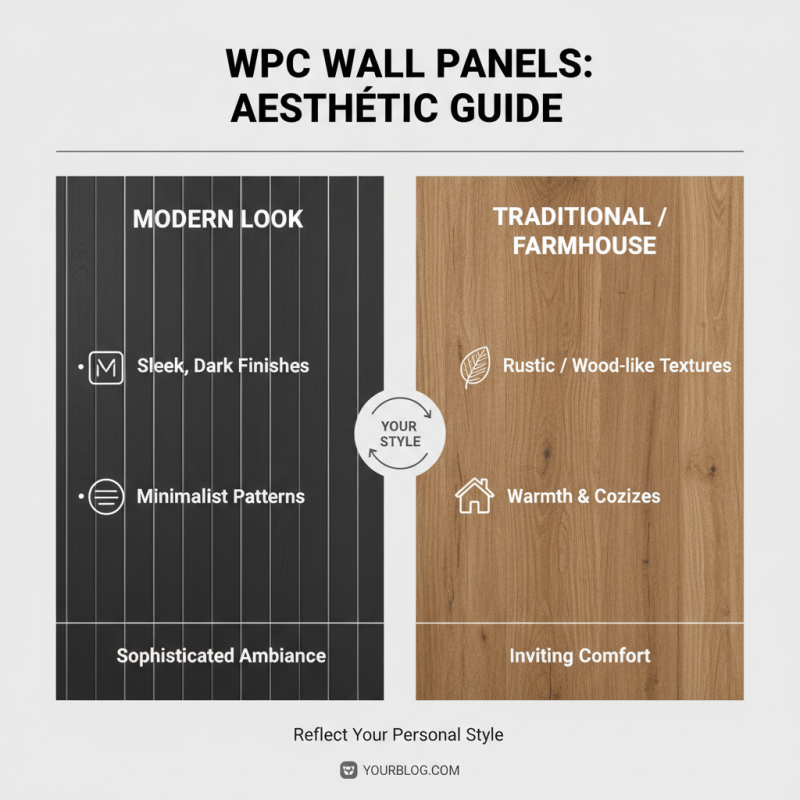
When selecting WPC wall panels for your home, aesthetics play a crucial role in ensuring that your space mirrors your personal style. WPC panels are available in a variety of designs, colors, and finishes, allowing homeowners to find the perfect match for their decor. For instance, if you prefer a modern look, consider sleek, dark finishes or minimalist patterns that create a sophisticated ambiance. In contrast, rustic or wood-like textures can evoke warmth and coziness, ideal for traditional or farmhouse styles.
**Tips:** Pay attention to the texture and pattern of the panels. Subtle textures can add depth to a room, while bold patterns can be a statement. Additionally, think about how different colors will interact with your existing furnishings. It’s helpful to obtain samples and visualize how they will appear in natural light throughout the day.
Another important consideration is the integration of the panels with other design elements in your home. Choose styles that complement your furniture and accents for a harmonious look. For a more dynamic space, you might experiment with accent walls featuring a contrasting panel or combining different styles of WPC panels to create visual interest.
**Tips:** Create a mood board with various styles and colors to help visualize how each choice will enhance your overall design. Also, consider the placement of the panels; strategic positioning can frame certain areas of your home and draw attention to specific features.
Installation and Maintenance: Best Practices to Ensure Longevity
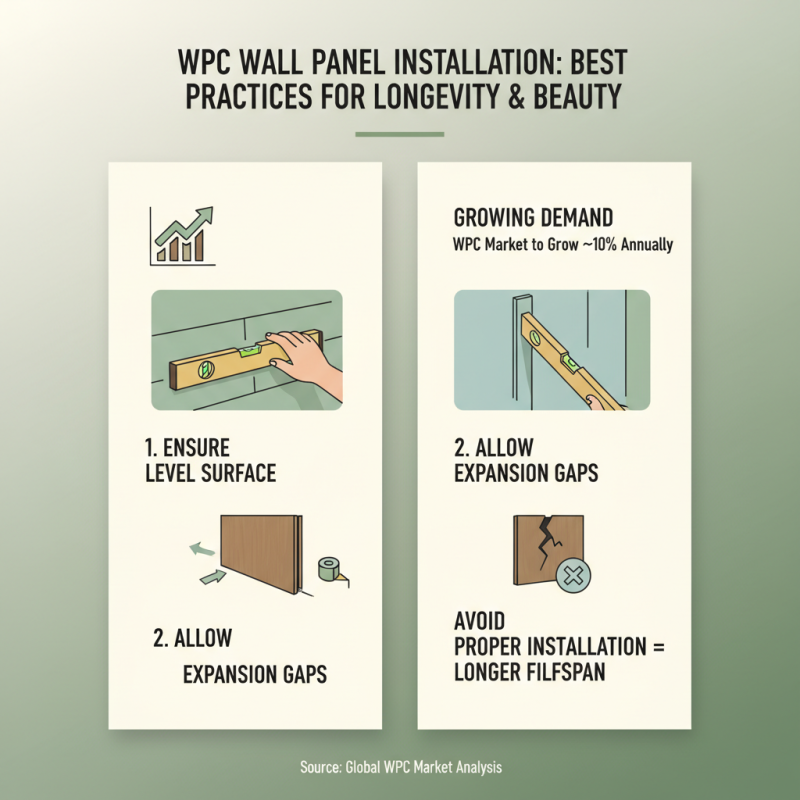
When installing WPC wall panels in your home, following best practices is essential to ensure longevity and maintain aesthetic appeal. According to a report by the Global WPC Market Analysis, the demand for wood-plastic composites is expected to grow by approximately 10% annually, emphasizing the rising popularity of these durable materials. Proper installation techniques, such as ensuring a level surface and allowing for expansion gaps, are crucial. Failure to accommodate movement can lead to warping or cracking, significantly reducing the lifespan of your panels.
Tips: Always use a high-quality adhesive recommended for WPC materials to enhance bonding strength and durability. Employ a skilled installer familiar with WPC specifications to avoid common mistakes that could compromise the integrity of the panels.
Maintenance also plays a vital role in the durability of WPC wall panels. Regular cleaning with mild soap and water can effectively remove dirt and stains without damaging the surface. Additionally, applying a protective sealant every few years can help shield the panels from UV damage and moisture. According to the WPC Association, proper maintenance can extend the lifespan of your panels by up to 50%, making it a worthwhile investment for homeowners.
Tips: Inspect your WPC panels regularly for any signs of wear, especially in high-traffic areas or regions exposed to harsh weather. Early detection of issues allows for prompt repairs, ultimately preserving the overall aesthetics and functionality of your wall panels.