Why is Home Decoration Important for Your Wellbeing?
Home decoration plays a crucial role in enhancing our wellbeing. A well-designed space can greatly affect our mood and mental health. According to a recent report by the National Institute of Health, 70% of people feel happier in spaces that reflect their personality. This highlights the power of personal touches in home decoration.
Expert in home design, Dr. Lydia Farnsworth, emphasizes this connection, stating, "A home should be a sanctuary, reflecting and nurturing your inner self." Her insight underlines the importance of creating environments that resonate with who we are. Thoughtful decoration can transform an ordinary home into a comforting retreat.
However, many overlook this vital aspect. Cluttered or unpersonalized spaces can lead to increased stress and anxiety. A study by the Journal of Environmental Psychology found that individuals in well-decorated homes reported lower levels of stress. This underscores the significance of intentional home decoration in fostering a sense of wellbeing.
The Psychological Impact of Home Environment on Wellbeing
The home environment profoundly influences our mental health. Research shows that 62% of individuals report feeling more anxious in cluttered spaces. A disorganized room often leads to a disorganized mind, creating stress. The mere sight of untidy surroundings can trigger feelings of overwhelm, which can negatively impact overall wellbeing.
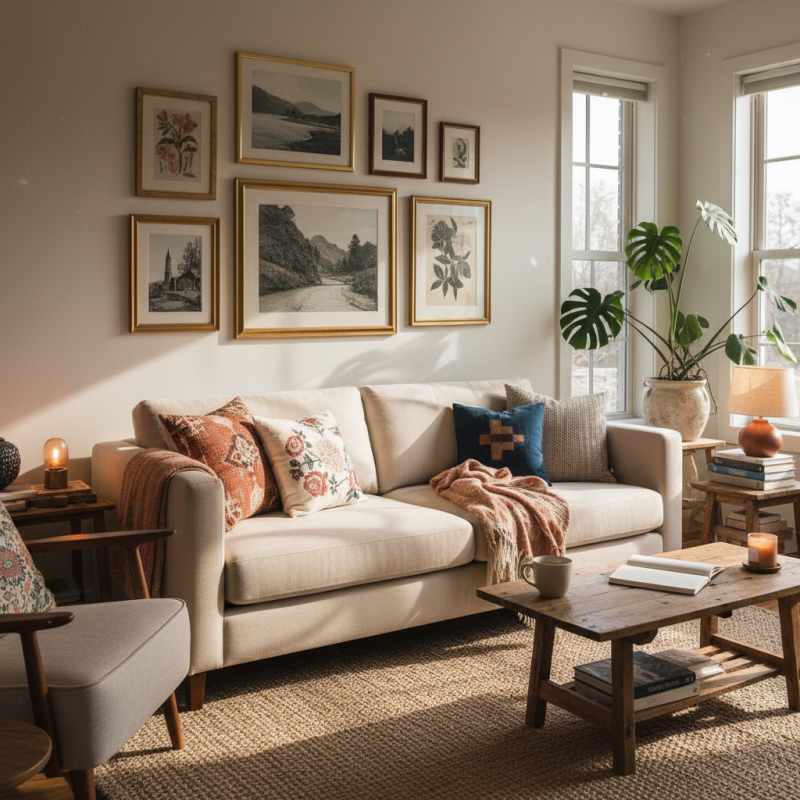
Natural light, colors, and textures also play vital roles. A study found that exposure to natural light boosts productivity by 20%. Warm colors can create a sense of comfort. However, using harsh, glaring lights may provoke irritation. Personal spaces should reflect one's personality, yet many fail to create environments that foster joy. Creating a serene atmosphere is a challenge for many, leading to feelings of dissatisfaction.
Plants can enhance feelings of calm and joy. Studies show that indoor plants increase concentration and reduce stress. Yet, many people neglect this simple addition, missing its soothing effects. Balancing aesthetics and functionality remains an ongoing process. Reflecting on what truly brings comfort can lead to a more fulfilling home environment.
How Colors and Textures Influence Mood and Emotions
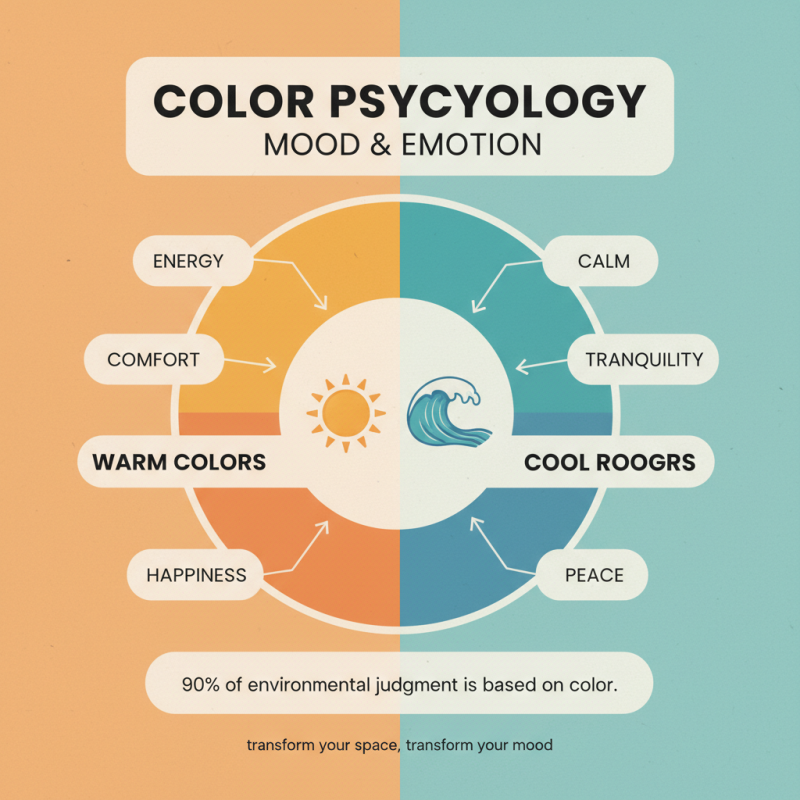
Colors and textures play a crucial role in shaping our moods and emotions. Studies show that 90% of snap judgments about environments are based on color alone. For instance, warm colors like red and yellow can evoke feelings of warmth and comfort. In contrast, cool colors such as blue and green create a sense of tranquility. It’s fascinating how a simple hue can transform a space and level of comfort.
Textures also significantly contribute to emotional responses. Soft fabrics can make a room feel cozy and inviting. Meanwhile, rough surfaces might invoke feelings of discomfort or unease. Think about the difference between a plush velvet sofa and a hard wooden chair. The same setting can feel completely different based on texture alone.
Yet, creating a harmonious space isn’t always easy. It requires balance and intentionality. Many people overlook the impact of textures and colors, leading to environments that don’t support their wellbeing. Paying attention to these elements can foster a positive emotional climate. Remember, even the smallest details matter. Everything adds up to shape your everyday experiences.
The Role of Personalization in Creating a Comforting Space
Creating a personalized space is vital for emotional well-being. Research shows that personalization in home decoration reduces stress. A survey found that 74% of respondents feel happier in spaces reflecting their personality. When you see items you love, it fosters a sense of belonging. Your home becomes more than just walls.
Colors play a crucial role in mood. For instance, soft blues are calming, while vibrant yellows can boost energy. A 2021 report indicated that the right color choices can increase productivity by 15%. But, it’s not just about colors. Personal items, like photos or artwork, can evoke positive memories. These elements can create a comforting atmosphere. However, sometimes, people load their spaces with too many items. This can lead to overwhelming feelings rather than comfort.
Creating meaningful spaces requires thought. Consider which items genuinely bring joy. Reflect on what makes a space feel warm. Perhaps it's a cozy chair or a well-loved book. Personalization isn't just decoration; it’s about creating a sanctuary. Your home should reflect you, but it can sometimes reflect burdens too. Balance is key.
Why is Home Decoration Important for Your Wellbeing? - The Role of Personalization in Creating a Comforting Space
| Aspect |
Importance |
Personalization Example |
| Color Schemes |
Influences mood and emotional health |
Choosing calming blues or warm neutrals |
| Furniture Arrangement |
Promotes social interaction and comfort |
Creating cozy seating areas for gatherings |
| Personal Art |
Enhances sense of identity and belonging |
Displaying family portraits or personal artwork |
| Lighting |
Affects mood and productivity |
Using dimmable lights or natural light sources |
| Textures |
Creates tactile comfort and warmth |
Incorporating soft rugs, cushions, and fabrics |
Organization and Cleanliness: Their Effects on Mental Clarity
A clean and organized home is more than just visually appealing. It directly impacts mental clarity and emotional well-being. When rooms are cluttered, they can create a sense of chaos. It’s hard to concentrate in a messy space. You may even feel overwhelmed by the sight of disarray. A tidy environment promotes focus and productivity.
Cleaning doesn’t have to be perfect. Sometimes it's about small steps. Maybe you start with one room or even one corner. The act of organizing can be therapeutic. It allows space for creativity to flourish. You may discover old items that bring you joy. This process can lead to a deeper reflection on what you truly need.
Think about how cleanliness affects your mood. An uncluttered space can reduce stress levels. However, it can be challenging to maintain. Life gets busy, and perfection is unrealistic. It's okay to have moments of messiness. Embracing imperfection can be liberating. In the end, creating harmony in your home is a continuous journey.
Impact of Organization and Cleanliness on Mental Clarity
The chart above illustrates the correlation between organization and cleanliness in home decoration and the reported levels of mental clarity among individuals. A higher percentage of individuals who maintain organized and tidy living spaces report better mental clarity, highlighting the importance of home decoration for overall wellbeing.
Connecting Home Decor with Cultural Identity and Personal Values
Home decor plays a vital role in expressing our cultural identity. The colors, patterns, and objects we choose reflect where we come from. They tell a story about our heritage. For many, their homes are a canvas of their life experiences. Each piece carries memories or traditions passed down through generations.
Decorating with personal values enhances emotional well-being. When our spaces resonate with who we are, they cultivate comfort. For instance, a collection of handmade items may evoke feelings of pride. Yet, sometimes we might overlook these connections. A generic decor choice can create a disconnect from our roots.
We should embrace imperfections in our decor. A worn-out piece can be more meaningful than a brand-new one. It might symbolize resilience or cherished memories. Recognizing these layers can lead to deeper reflections about ourselves. Our homes become a sanctuary that nurtures our identities. This process invites us to constantly evolve and celebrate who we are at every stage.