What is Pu Stone and How is it Used in Modern Applications?
Pu Stone, known for its striking aesthetics and durability, has gained attention in modern applications. This unique material is derived from volcanic rock, giving it resilience and a distinctive look. As architects and designers explore innovative materials, Pu Stone stands out for its versatility. It is increasingly used in various sectors, from construction to interior design.
The sustainable nature of Pu Stone makes it a popular choice. It is not only eco-friendly but also offers excellent performance in diverse climates. These properties have led to its utilization in outdoor spaces, such as patios and walkways. However, the production process of Pu Stone requires careful consideration. While its benefits are evident, potential environmental impacts must be addressed.
In recent years, Pu Stone has become a statement piece in modern decor. Many homeowners and businesses seek to incorporate this unique stone into their spaces. Its natural color variations and textures allow for creative freedom. However, the challenge lies in sourcing ethically and responsibly. The journey of Pu Stone reflects both innovation and responsibility in material use.

What is Pu Stone? An Overview of its Origins and Characteristics
Pu Stone is a fascinating material that has gained traction in modern applications. Originating from volcanic rock, it boasts unique characteristics. Its porous structure makes it lightweight yet durable. This quality allows for versatile uses, including in construction and decorative arts.
In construction, Pu Stone serves as an eco-friendly alternative for traditional materials. Its thermal-insulating properties contribute to energy efficiency. Architects appreciate its aesthetic appeal, as it can be shaped and colored to fit various designs. However, working with it requires precision. Lack of expertise can lead to structural issues, calling for careful consideration in its application.
In the realm of art, Pu Stone is increasingly popular among sculptors and designers. Its texture allows for intricate designs and fine details. Artists find joy in its adaptability, but beginners might struggle with its hardness. Achieving the desired finishes demands practice and patience. This aspect of Pu Stone challenges both ability and creativity, pushing artists to refine their skills and rethink conventional methods.
The Composition of Pu Stone: Minerals and Properties Explained
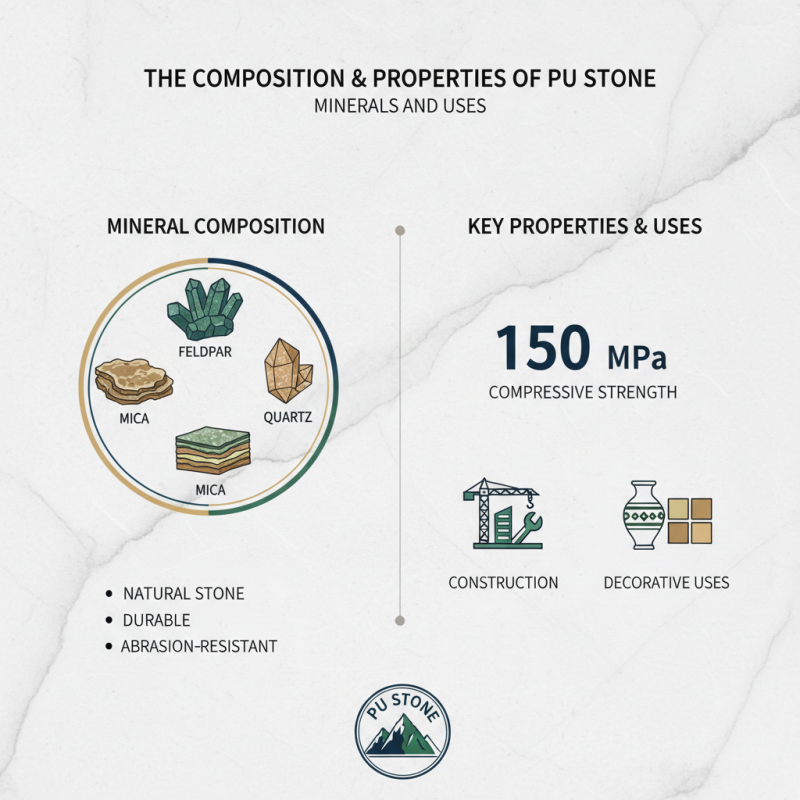
Pu Stone, a unique natural stone, is comprised mainly of a variety of minerals including feldspar, mica, and quartz. These minerals give Pu Stone its distinctive properties, such as durability and resistance to abrasion. Recent studies indicate that Pu Stone boasts a compressive strength of approximately 150 MPa, making it suitable for various modern applications, from construction to decorative uses.
In modern architecture, the aesthetic appeal of Pu Stone is enhanced by its rich colors and intricate patterns. It is often employed in flooring, countertops, and wall cladding. According to industry reports, the global market for decorative natural stones, including Pu Stone, is expected to grow at a rate of 8% annually. Despite its advantages, some challenges remain. The sourcing of Pu Stone can be environmentally taxing, raising questions about sustainability.
Moreover, while Pu Stone exhibits impressive physical properties, it may not be as widely recognized as other natural stones. This limits its adoption in certain high-end applications. Industry experts argue that better education about its potential is crucial. Understanding the properties and benefits of Pu Stone could enhance its reputation in the marketplace.
Traditional Applications of Pu Stone in Culture and Art
Pu Stone has a rich cultural history. In many regions, it serves as a symbol of heritage and identity. Artisans use it to create intricate sculptures and carvings. This stone holds spiritual significance in many communities, often found in temples and shrines. The unique texture and color make it a favorite among artists.
Traditional applications of Pu Stone vary greatly. In some cultures, it is used in rituals and festivals. For instance, it might be shaped into decorative items or religious icons that attract visitors. Artists spend hours perfecting their techniques, sometimes finding imperfections in the stone challenging. This adds character to their work.
The stone’s role extends beyond aesthetics. It often embodies stories and traditions passed through generations. Each piece tells a unique tale, reflecting the culture from which it originates. Yet, the challenges in sourcing and working with Pu Stone push artisans to innovate constantly. This struggle brings both beauty and an opportunity for growth in traditional craftsmanship.
Modern Uses of Pu Stone in Construction and Design
Pu Stone, known for its durability, is increasingly used in construction and design. It is a natural stone that can withstand weather conditions, making it suitable for various applications. According to the Marble Institute of America, natural stone has a lifespan of over 100 years when properly maintained. This makes Pu Stone an excellent choice for long-lasting structures.
In modern architecture, Pu Stone adds an aesthetic value. Designers appreciate its unique colors and textures. The stone's versatility allows its use in facades, flooring, and outdoor spaces. A recent survey by the American Society of Interior Designers indicated that 75% of designers consider natural stone for sustainable projects. The stone's inherent properties promote energy efficiency.
However, challenges exist with using Pu Stone. Its weight can complicate transportation and installation. Additionally, sourcing may lead to concerns about environmental impact. As the demand for ethical materials grows, some companies are exploring techniques to minimize these issues. Achieving balance remains a growing discussion in the industry.
What is Pu Stone and How is it Used in Modern Applications?
| Application Area |
Description |
Benefits |
Common Uses |
| Construction |
Used as a durable building material for various structures. |
High strength and resistance to weathering. |
Walls, foundations, and floors. |
| Interior Design |
Utilized for decorative elements in residential and commercial spaces. |
Offers aesthetic appeal and variety in designs. |
Countertops, tiles, and wall panels. |
| Landscaping |
Incorporated into outdoor design features and hardscapes. |
Natural look that blends with outdoor elements. |
Pathways, retaining walls, and garden accents. |
| Art and Sculpture |
Crafted into sculptures and artistic installations. |
Versatile material for creative expression. |
Public art, home décor, and gallery exhibits. |
Environmental Impact and Sustainability of Pu Stone Mining and Use
The extraction of Pu stone raises significant environmental concerns. This natural material, though versatile, is sourced from regions that may already face ecological challenges. Mining operations can disrupt local ecosystems, leading to habitat loss. The disturbance of soil and water systems impacts flora and fauna. Moreover, the energy consumption in mining processes contributes to greenhouse gas emissions.
Sustainability in Pu stone mining is still debatable. While some companies claim to use eco-friendly practices, the actual impact often varies. Many mining sites lack adequate rehabilitation plans. This means areas are left degraded after extraction. Responsible sourcing should focus on minimizing environmental footprints. With proper regulations, the mining industry can potentially improve its practices. Awareness of these issues must increase to drive change in modern applications.
The use of Pu stone in construction and design promotes durability. However, the benefits must be weighed against environmental costs. Consumers increasingly seek sustainable materials. They want assurance that their choices do not harm the planet. As research evolves, a clearer picture of sustainable exploitation emerges. Collaborative efforts might pave the way for more responsible practices.
Environmental Impact of Pu Stone Mining and Use