Why Soft Stone is the Best Choice for Your Home Improvement Projects
When it comes to home improvement projects, choosing the right materials can significantly impact the overall aesthetic and functionality of your space. Among various options available in the market, **Soft Stone** stands out as an exceptional choice for homeowners looking to enhance their living environment. Soft Stone encompasses a variety of natural stones that are not only visually appealing but also versatile in application. From elegant countertops and stunning backsplashes to durable flooring and captivating wall features, the use of Soft Stone can transform ordinary spaces into extraordinary ones.
One of the most compelling reasons to opt for Soft Stone in your home improvements is its unique combination of beauty and practicality. Soft Stone is often characterized by its warm textures and rich colors, providing a timeless elegance that complements various design themes, from rustic to modern. Additionally, its workability and ease of installation make it a favorite among DIY enthusiasts and professional contractors alike, ensuring that your projects can be completed efficiently without sacrificing quality.
Furthermore, Soft Stone boasts inherent durability and sustainability, which are essential considerations in today’s environmentally conscious world. This natural material is not only resistant to wear and tear but also offers a low-impact choice for those seeking eco-friendly building solutions. Embracing Soft Stone in your home improvement endeavors not only elevates your interior design but also aligns with broader goals of sustainability and longevity, solidifying its position as the best choice for any renovation project.
Benefits of Soft Stone in Home Improvement Projects
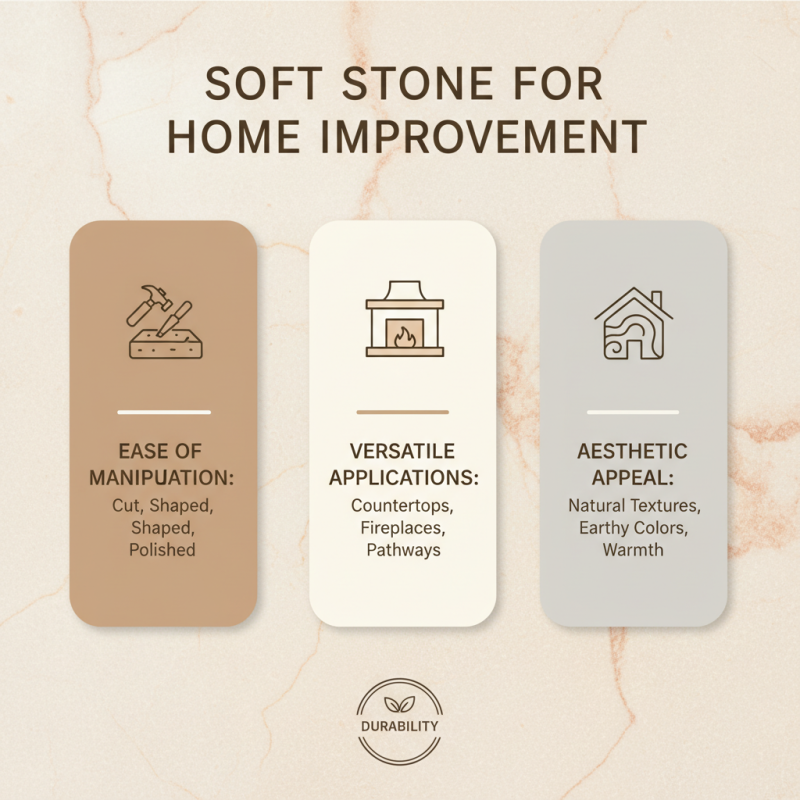
Soft stone materials, such as limestone and sandstone, have gained popularity in home improvement projects due to their unique combination of durability, aesthetic appeal, and versatility. One of the primary benefits of using soft stone is its ease of manipulation during the construction process. These stones can be cut, shaped, and polished with relative ease, making them an ideal choice for homeowners looking to create custom features like countertops, fireplace surrounds, or garden pathways. Additionally, their natural textures and earthy colors can create a warm and inviting atmosphere, enhancing the overall design of any space.
Another significant advantage of soft stone is its ability to withstand various environmental conditions while maintaining its beauty over time. Soft stones are often more resistant to weathering and discoloration than other materials, making them suitable for both indoor and outdoor applications. For example, when used in landscaping, soft stones can naturally blend into their surroundings, providing a seamless look that complements the beauty of nature. Furthermore, the porous nature of soft stones allows for better drainage, which is beneficial in outdoor settings, ensuring that water runoff does not damage the surrounding structures. This combination of functionality and aesthetic appeal makes soft stone an excellent choice for any home improvement project.
Durability and Longevity of Soft Stone Materials
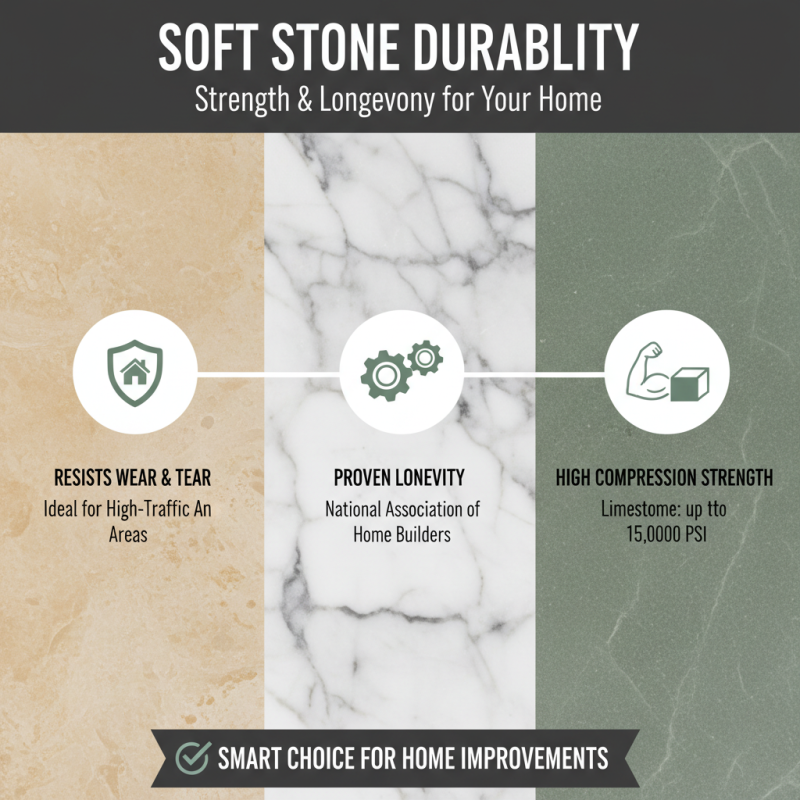
Soft stone, such as limestone, marble, and soapstone, has increasingly gained recognition for its durability and longevity in home improvement projects. Reports from the National Association of Home Builders highlight that soft stone can withstand significant wear and tear, making it an ideal choice for high-traffic areas. For example, limestone has been tested to resist compression forces of up to 15,000 psi, which is comparable to traditional hard stones and proves its capability to handle daily stresses while maintaining structural integrity.
Furthermore, the longevity of soft stone materials is underscored by their natural resistance to various environmental factors. According to a study published by the Natural Stone Institute, properly sealed and maintained soft stone can last over 100 years. This makes it a sustainable option, as the need for replacement is minimal compared to other materials that may degrade over time. Additionally, the aesthetic versatility of soft stone allows it to blend seamlessly into different home designs, further solidifying its status as a practical investment for homeowners seeking both beauty and resilience in their home improvement projects.
Cost-Effectiveness of Soft Stone Compared to Other Options
Soft stone has emerged as a prominent choice for home improvement projects, particularly due to its cost-effectiveness when compared to other building materials. According to a report by the National Association of Home Builders, the average cost of soft stone per square foot is approximately 20% lower than that of harder stone alternatives, such as granite and marble. This price discrepancy makes soft stone an appealing choice for homeowners looking to beautify their spaces without breaking the bank. Additionally, its versatility allows it to be used in various applications, from countertops to flooring, further enhancing its value proposition.
Furthermore, maintenance costs for soft stone tend to be lower over time. A study conducted by the Stone Foundation indicated that while the initial installation price may be comparable to other materials, the long-term upkeep for soft stone surfaces averages 30% less than that of harder stones. This is primarily because soft stone is less prone to chipping and cracking, which means fewer repairs and replacements are required. Thus, selecting soft stone not only alleviates upfront costs but also contributes to a more economical investment in the long run, making it an ideal option for both budget-conscious homeowners and those striving for sustainable building practices.
Why Soft Stone is the Best Choice for Your Home Improvement Projects - Cost-Effectiveness of Soft Stone Compared to Other Options
| Material Type |
Cost per Square Foot |
Durability (Years) |
Maintenance Cost (Annual) |
Aesthetic Appeal Rating (1-10) |
| Soft Stone |
$5 |
30 |
$200 |
9 |
| Hard Stone |
$10 |
50 |
$300 |
8 |
| Vinyl |
$2 |
20 |
$150 |
6 |
| Wood |
$4 |
15 |
$250 |
7 |
| Concrete |
$6 |
40 |
$100 |
7 |
Sustainability and Environmental Impact of Soft Stone
Soft stone, such as limestone and sandstone, has gained popularity in home improvement projects not only for its aesthetic appeal but also for its sustainability and low environmental impact. According to the "Environmental Benefits of Natural Stone" report by the Natural Stone Institute, soft stones are sourced from quarries that practice responsible extraction methods, minimizing harm to the landscape and maintaining biodiversity. These stones exhibit longevity and durability, which significantly reduces the need for frequent replacements, thereby preserving natural resources over time.
When considering soft stone for your home, it's essential to evaluate its lifecycle. A study from the American Institute of Architects found that soft stone requires less energy in manufacturing and transportation compared to synthetic materials, resulting in a smaller carbon footprint. Additionally, soft stones can effectively regulate temperature, lowering heating and cooling costs for homeowners while contributing to energy efficiency.
**Tips**: 1. When selecting soft stone, inquire about the quarry's sustainability practices to ensure you are making a responsible choice. 2. Consider integrating soft stone features such as walls or pathways that can enhance your outdoor space while blending harmoniously with the natural environment.
Environmental Impact of Soft Stone vs Other Materials
This chart illustrates the sustainability and environmental impact of soft stone compared to other common materials used in home improvement projects, based on various environmental factors such as carbon footprint, water usage, and recyclability.
Design Versatility and Aesthetic Appeal of Soft Stone
When it comes to home improvement projects, the aesthetic appeal and design versatility of soft stone make it an exceptional choice. Soft stones like limestone, soapstone, and travertine not only provide a unique look but also offer a variety of textures and colors, catering to different design preferences. According to recent industry reports, 68% of homeowners express a preference for natural stones due to their ability to blend seamlessly with various architectural styles, from rustic to modern.
One of the key advantages of soft stone is its malleability. This allows for intricate designs and custom shapes that can elevate the look of any space. Designers have noted that implementing soft stone in areas like countertops, flooring, and wall cladding can significantly enhance the overall aesthetic, as it brings warmth and a sense of authenticity. A survey conducted by the National Association of Home Builders indicates that natural stone finishes can increase property value by up to 25%, making it a wise investment for homeowners looking to improve their spaces.
**Tips:** When selecting soft stone for your home, consider the following: choose lighter colors to make small spaces feel larger, and always seal your stone to protect it from stains and damage. Additionally, mixing different types of soft stone can create a stunning visual contrast that adds depth and interest to your home’s design.