What is a Sound Absorbing Panel and How Does It Work?
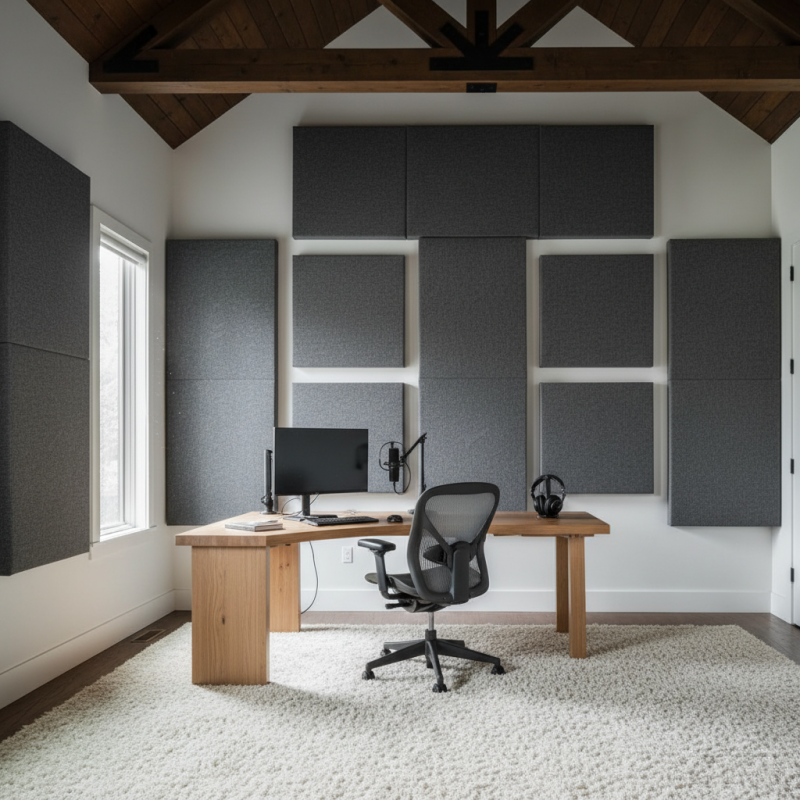
Sound Absorbing Panels are essential in controlling noise. They reduce sound reflections and echoes in various spaces. By using these panels, we can enhance audio clarity in homes, offices, and studios.
The materials used in Sound Absorbing Panels are often porous. This design traps sound waves, preventing them from bouncing off hard surfaces. In rooms with high ceilings, the difference is remarkable.
Yet, it’s worth questioning the effectiveness of these panels. Are they placed correctly? Do they cover enough area? Sometimes, even the best Sound Absorbing Panels might not achieve the desired effect. We must consider their limitations and explore better acoustic solutions.
What is a Sound Absorbing Panel?
A sound absorbing panel is designed to reduce noise levels in various environments. These panels can absorb sound waves, preventing them from bouncing off hard surfaces. This capability enhances acoustic comfort in spaces like offices, studios, and classrooms. According to a report by the Acoustical Society of America, effective noise reduction can improve focus and productivity by up to 30%.
Typically, sound absorbing panels are made from porous materials. These materials trap sound energy, converting it into a small amount of heat. This principle is based on the science of acoustics, which shows that certain materials, like fiberglass and foam, are especially effective. In a busy open office, installing these panels can lead to a significant reduction in distracting background noise.
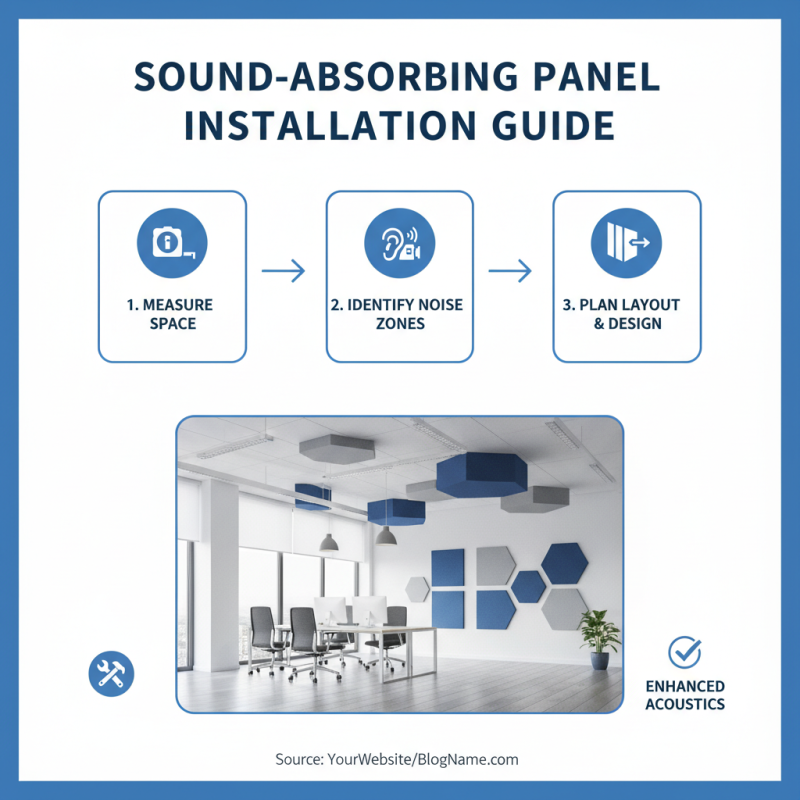
However, it's important to consider placement and design. A poorly positioned panel may only marginally improve sound quality. Not all spaces require the same treatment. For instance, a panel that works well in a conference room might be ineffective in a home theater. It’s essential to evaluate the specific acoustics of a room before implementation. Understanding how these panels interact with existing surfaces is key for optimal results.
Key Materials Used in Sound Absorbing Panels
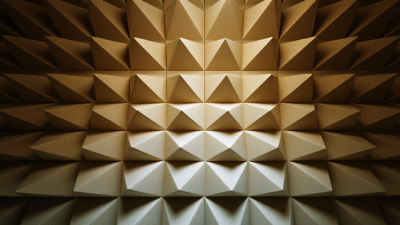
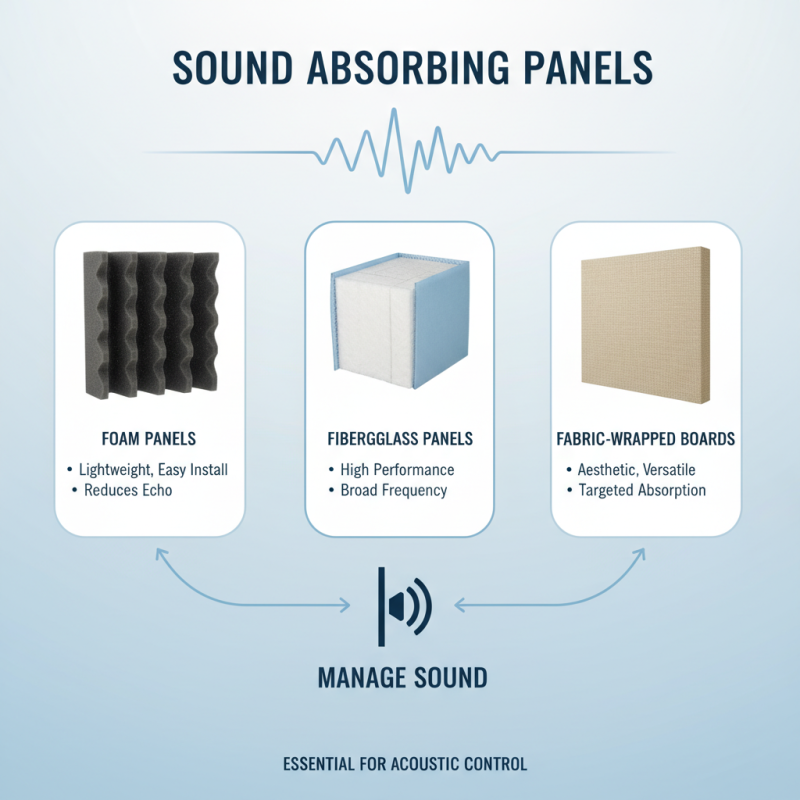
Sound absorbing panels are essential in managing sound. They come in various materials, each serving a unique purpose. Commonly used materials include foam, fiberglass, and fabric-wrapped boards. Foam panels are lightweight and easy to install. They effectively reduce echo and reverberation in spaces.
Fiberglass panels are ideal for commercial settings. They offer high durability and superior sound absorption. Often, these panels are covered with a fabric to enhance aesthetics. The combination of practical function and style makes them popular. Sound absorbing boards can be customized to fit different environments.
Tips: Ensure your panel size matches your space. Too small won’t be effective. Cost-effective solutions can still have a noticeable impact. Think about the colors and textures. Aesthetics matter too!
Acoustic blankets are another option. They can be hung from ceilings or walls. Some may say they are bulky, but they do a decent job of sound control. Reflect on how sound travels in your room. Understand the layout before choosing materials.
How Sound Absorbing Panels Improve Acoustic Quality
Sound absorbing panels are essential for enhancing acoustic quality in various environments. These panels are made of specialized materials that help mitigate sound reflections. By absorbing sound waves, they reduce echo and background noise. This is especially important in places like offices, schools, and auditoriums. When sound is absorbed rather than reflected, the listening experience improves significantly.
Tips for choosing the right panels: Look for materials like foam or fabric. These offer great sound absorption properties. Consider the placement of the panels. Strategic positioning can greatly enhance their effectiveness. Test different layouts to find what works best in your space. Remember, not all spaces require the same treatment.
You may encounter challenges in achieving the desired acoustic results. Not every panel fits every room. Sometimes, a combination of hard and soft surfaces might be necessary. Reflect on your environment and be open to experimenting. Understanding your specific needs is key to improvement. Sound absorption should not be an afterthought; it is crucial for clear communication and comfort.
Applications of Sound Absorbing Panels in Various Environments
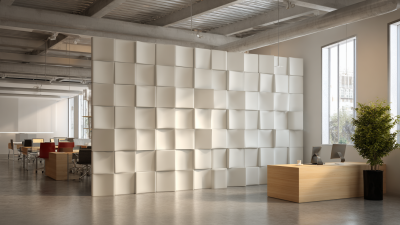
Sound absorbing panels have varied applications across different environments. In commercial spaces, they help reduce noise levels significantly. Studies show that well-designed acoustic panels can reduce sound by up to 40%. This is crucial in open office settings. Here, distractions can lower productivity. Employees often complain about background chatter. Acoustic panels create a quieter space for focused work.
In educational environments, sound absorbing materials enhance learning conditions. Classrooms with these panels see improved student performance. One report indicated that students performed 20% better in quieter settings. This makes acoustic treatment essential in schools. However, not all schools can afford advanced soundproofing solutions. Budget constraints can limit the implementation of effective panels.
Even in home settings, acoustic panels find their place. They are often used in home theaters. The goal is to minimize echo and improve audio clarity. Yet, many homeowners overlook the importance of acoustics. They may prioritize aesthetics over sound quality. Without proper sound absorbing solutions, the listening experience suffers. Balancing design and function remains a challenge for many.