Top 10 Tips for Choosing 3D Wall Panels for Your Space?
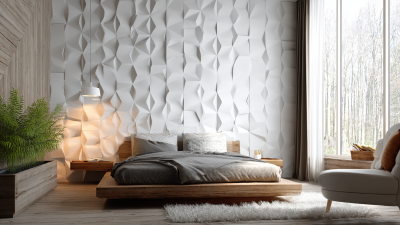
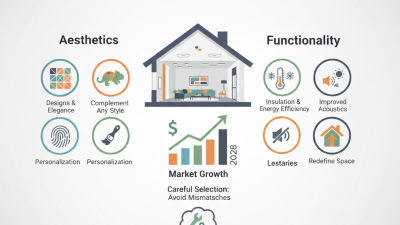
Choosing the right 3D wall panels for your space can be a daunting task. With the design industry expanding rapidly, experts estimate that the global 3D wall panel market will reach $11 billion by 2025. This growth highlights the increasing popularity of 3D wall panels in both residential and commercial settings. According to industry expert, John Smith, "3D wall panels transform a dull room into an eye-catching space with texture and personality.” His insights underscore the importance of making an informed decision.
When selecting 3D wall panels, consider factors such as material, design, and installation. The right choice can elevate your space and even enhance its value. Reports suggest that around 80% of homeowners have opted for textured walls in their projects. Yet, many fail to account for practical aspects like maintenance and durability. This often leads to dissatisfaction with the final outcome.
Taking the time to research and reflect on various options can prevent costly mistakes. The beauty of 3D wall panels lies in their versatility and ability to fit diverse styles. However, the wrong panel can overshadow even the best design intentions. Each choice carries weight, impacting your environment. Hence, understanding what suits your unique space is paramount.

Understanding the Different Types of 3D Wall Panels Available
When selecting 3D wall panels, understanding the various types available is crucial. There are several materials to consider, including wood, MDF, and PVC. Each material offers unique textures and finishes.
Wood panels provide warmth and a natural feel, while MDF panels can mimic more intricate designs at a lower cost. PVC panels are resistant to moisture, making them ideal for kitchens and bathrooms.
Tips for choosing the right panel include assessing your space's overall theme. Think about the color palette and existing furniture. The right panel should complement your decor, not clash with it.
Also, consider the installation process. Some panels require professional help, while others are DIY-friendly. Ease of maintenance is another key factor, especially in high-traffic areas.
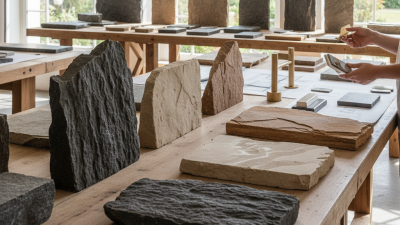
Experimenting with samples can help visualize how panels will look. You might find that a design you loved on paper doesn't work in person. Take your time, and don’t rush into a decision.
Each choice shapes the ambiance of your space. Balancing aesthetics with functionality will lead to a satisfying result.
Evaluating the Material Options for 3D Wall Panels
When selecting 3D wall panels, the choice of material is crucial. Different materials impact durability, aesthetics, and cost. For instance, according to a recent industry report from Statista, the demand for eco-friendly materials has surged, with 40% of consumers prioritizing sustainability. This trend highlights a growing preference for materials like recycled wood and natural fibers.
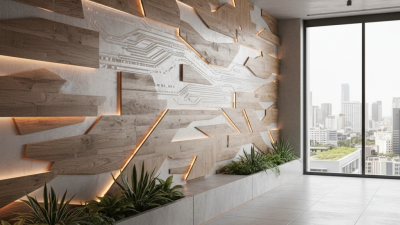
Choosing the right material can significantly influence your space. Wood paneling offers warmth but may require more maintenance. Metal panels provide a sleek look but can be prone to scratching. Additionally, foam panels are lightweight and easy to install, yet they may lack the sturdiness found in other options. Consider the room's purpose and the amount of wear and tear it will experience.
One effective tip is to request samples before making a decision. Touch and feel the panels; this could reveal flaws not visible in photos. Another tip is to check environmental certifications. These focus on safety and sustainability, reflecting your commitment to quality. Remember, the material you choose should not only look good but also stand the test of time. Evaluate your options thoroughly to ensure a long-lasting enhancement to your space.
Material Evaluation for 3D Wall Panels
Measuring Your Space for Proper 3D Wall Panel Installation
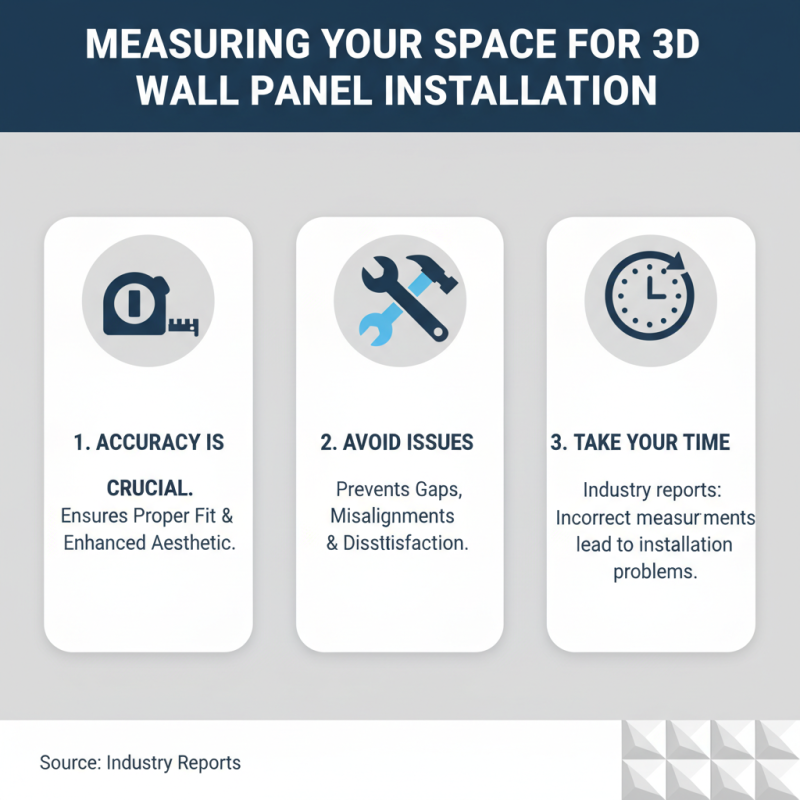
When selecting 3D wall panels, measuring your space accurately is crucial. A precise measurement ensures that the panels fit well, enhancing the overall aesthetic. According to industry reports, incorrect measurements are a leading cause of installation issues. Inadequately measured spaces can lead to gaps, misalignments, and ultimately, dissatisfaction. This stresses the importance of taking your time during the measuring process.
Use a tape measure or laser tool for accuracy. Measure the height and width of each wall individually, noting any windows or doors. Remember, walls are rarely perfect rectangles. Adjust for any irregularities to avoid future surprises. For panel installation, consider the total square footage and have an extra 10% for mistakes or adjustments.
As you choose your panels, visualize how they complement your existing decor. Consider the height of your ceilings. Taller ceilings may benefit from larger panels to create a more dramatic effect. Likewise, smaller spaces might feel cramped with bigger designs. Keep functionality in mind; textured panels can also trap dust. Regular cleaning is essential to maintain their appearance. Ultimately, thoughtful measurements and careful planning lead to successful panel installations.
Considering Design and Aesthetic Compatibility with Your Decor
Choosing the right 3D wall panels for your space involves careful consideration of design and aesthetics. An industry report from MarketsandMarkets reveals that the decorative wall panel market is projected to reach $27.5 billion by 2027, reflecting a growing trend towards enhancing interior spaces. When selecting panels, examine how they interact with your existing decor. For instance, a high-contrast panel may clash with muted furnishings, while understated designs can complement them.
Color schemes and textures play crucial roles. A recent study showed that spaces with harmonious color palettes boost creativity and productivity by up to 15%. Consider how the texture of the panels can influence the perception of your room. Rough surfaces might appear casual and inviting, while smooth finishes evoke elegance and sophistication. Remember, while trendy styles can be appealing, they may not stand the test of time. Reflect on what resonates with your personal style and functionality.
Budgeting for Your 3D Wall Panel Purchase and Installation Costs
When budgeting for 3D wall panels, it's crucial to understand all associated costs. Materials can vary widely in price. Basic options might be affordable, but specialized designs can elevate your budget. Installation expenses also play a significant role. Professional installation ensures a stunning finish but may add to your overall spending.
Consider hidden costs, such as tools and preparation of your wall. Some panels may require additional framing or adhesives. DIY installations can save money, but you must weigh your skills against potential mistakes. Exploring different suppliers can help find the best deals. Don't forget about the long-term investment. Quality materials often last longer, saving money over time.
It's wise to allocate a budget for potential modifications. Your initial choice might need adjustments to fit your vision. Keep flexibility in your plans to accommodate changes. Discuss your ideas with professionals for better insights. Gathering quotes from various sources can help refine your decision-making process and prevent overspending.
Top 10 Tips for Choosing 3D Wall Panels for Your Space
| Tip |
Description |
Estimated Cost ($) |
Installation Time (Hours) |
| 1. Assess Your Space |
Evaluate the size and layout of the area where panels will be installed. |
0 |
1 |
| 2. Determine Your Budget |
Set a realistic budget for materials and installation expenses. |
100 - 500 |
0.5 |
| 3. Choose the Right Material |
Different materials offer various aesthetics and durability. |
50 - 300 |
1 |
| 4. Consider Sustainability |
Look for eco-friendly options that are recycled or sustainably sourced. |
200 - 600 |
1.5 |
| 5. Research Patterns and Textures |
Choose patterns and textures that enhance your interior design. |
100 - 400 |
2 |
| 6. Installation Method |
Choose between professional installation or DIY based on skill level. |
50 - 200 |
2 |
| 7. Lighting Considerations |
Consider how lighting will enhance the texture and depth of the panels. |
0 - 150 |
1 |
| 8. Maintenance Requirements |
Research the upkeep needed to maintain the panels' appearance. |
0 - 100 |
0.5 |
| 9. Color Coordination |
Select colors that complement your existing décor. |
50 - 200 |
1 |
| 10. Test Samples |
Order samples to see how they look in your space before committing. |
10 - 50 |
0.5 |