Top 5 Tips for Choosing the Right Carbon Fiber Panel?
When selecting a carbon fiber panel, the decision can be overwhelming. The market is flooded with options that differ in quality and performance. Many businesses and enthusiasts overlook crucial aspects, which can lead to poor choices. A well-chosen carbon fiber panel can enhance the strength and aesthetic appeal of various applications, from automotive to aerospace.
Understanding the key factors is essential. Weight, thickness, and resin type can significantly affect performance. Each choice influences durability and flexibility. Additionally, examining manufacturing processes can provide insights into reliability. Not all panels are made equal, and knowing the differences can prevent costly mistakes.
Navigating this landscape requires expertise. Consult with professionals who understand the intricacies of carbon fiber materials. Always remember that a seemingly perfect product might not suit your specific needs. Sometimes, what seems like the best option can lead to unforeseen issues down the line. Engaging with knowledgeable sources is crucial for informed decisions.

Understanding the Basics of Carbon Fiber Panels
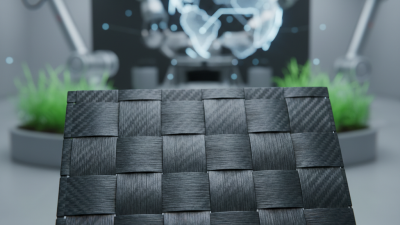
When choosing the right carbon fiber panel, understanding the basics is crucial. Carbon fiber panels are celebrated for their strength and lightweight properties. They exhibit a high tensile strength, sometimes exceeding 600,000 psi, making them excellent for various applications. These panels are composites made from carbon fibers and a polymer resin, which contributes to their durability and resilience against environmental stressors.
Consider structural requirements when selecting a carbon fiber panel. The thickness and layering can significantly impact performance. For instance, a panel of 2 mm thickness might be sufficient for non-load-bearing applications, while thicker panels are necessary for structural integrity in aerospace or automotive uses.
Evaluate your project’s specific needs. You might require a panel with a certain finish or specific tensile properties. It's important to analyze how the panel will be used. Look for reputable sources that provide tests and certifications verifying the panel's properties. Always check if the manufacturer's claims are supported by third-party data.
Selecting the right carbon fiber panel should also account for cost variations. Prices can differ based on quality and technology used in production. Understanding these factors is vital for making an informed decision. Quality often correlates with cost, but you should ensure the panel meets your requirements before committing financially.
Evaluating the Strength and Durability Requirements
When evaluating carbon fiber panels, strength and durability are paramount. The right panel can significantly impact the performance of your project. Consider the specific loads and stress the panel will encounter. Different applications can require different tensile strengths.
Look at the material specifications carefully. The resins used in the manufacturing process affect durability. A panel may look great, but what happens under pressure is crucial. Unforeseen weaknesses can lead to failure. Testing panels under real-world conditions can reveal insights about their performance.
Don’t forget about environmental factors. UV exposure, humidity, and temperature fluctuations can degrade materials over time. A panel might perform well initially but fail quickly in harsh climates. Always look for panels with proven resistance to such conditions. Finding a balance between weight and durability is tricky. Reflect on the long-term implications of your choice.
Strength and Durability Comparison of Carbon Fiber Panels
Considering the Weight and Thickness of the Panels
When selecting carbon fiber panels, weight and thickness are pivotal factors. Carbon fiber's high strength-to-weight ratio makes it ideal for various applications. According to industry data, using panels that are too heavy can negate the benefits of carbon fiber. A 2018 report indicated that every kilogram saved in weight can lead to a 1-2% increase in fuel efficiency for aerospace applications. Thus, carefully assessing the weight of the chosen panels is crucial.
Thickness also impacts performance and durability. Thicker panels offer enhanced rigidity but add weight. A study by the Composite Materials Handbook suggests that a balance must be struck. For high-stress applications, panels typically range from 2mm to 20mm in thickness. A panel that’s too thin may lack the structural integrity needed for demanding environments. On the other hand, excessively thick panels can be cumbersome and difficult to maneuver. This complexity highlights the necessity for careful consideration during selection.
In practical terms, always evaluate the intended use of the panel. For racing applications, reducing weight may be paramount; conversely, for construction, durability may take precedence. Continuously reassessing your requirements and the characteristics of the panels can lead to better choices. The selections often reflect a compromise, requiring thoughtful deliberation on multiple factors. Engaging with industry reports can provide insightful data to guide these decisions.
Analyzing Cost vs. Performance for Your Project
When selecting a carbon fiber panel, understanding the balance between cost and performance is crucial. Many project managers focus solely on price while neglecting the specific performance needs of their applications. It's important to evaluate how the panel’s weight, strength, and rigidity match the intended use. For example, a lightweight panel may reduce overall project costs but might not withstand high stress in demanding environments.
Performance specifications should never be underestimated. Even a slight difference in material quality can lead to significant performance issues. If a project demands durability, opting for the cheapest option may result in costly repairs or replacements down the line. Consider how the panel will be used over time. Will it face extreme temperatures or heavy loads? Familiarizing yourself with these factors will lead to more informed decisions and potentially save money in the long run.
Incorporating feedback from engineers and technicians can provide valuable insights. Discussing real-world experiences with similar materials often uncovers unexpected challenges. This dialogue can enhance understanding of the panel's limitations and advantages. Flexibility in budgeting for quality materials can lead to better project outcomes. It’s crucial to consider not only the upfront cost but also the long-term value and performance.
Reviewing Manufacturer Reputation and Customer Feedback
When selecting carbon fiber panels, it's crucial to consider the manufacturer’s reputation and customer feedback. A report from the Composite Industry Association reveals that over 70% of buyers examine reviews before making a purchase. Positive testimonials often indicate a brand's reliability and product quality. Look for detailed accounts of durability and performance. Such insights help establish trust.
Expert analyses suggest that manufacturers with a track record of innovation tend to produce superior products. Many customers emphasize the importance of a responsive support system. A study by the Carbon Fiber Conference highlights that almost 65% of buyers value post-purchase assistance. This factor greatly influences satisfaction and longevity of the material's performance in various applications.
Evaluating online ratings can provide an overview of common issues. Still, remember that not all negative feedback reflects inherent flaws. Some reviews stem from unrealistic expectations or misuse of the product. Balancing these perspectives is necessary for informed decision-making. Sustainable sourcing is another dimension to explore, as many consumers are now prioritizing eco-friendly practices among manufacturers.