China’s Pvc Marble Panel industry has expanded alongside demand for lightweight, decorative wall finishes. Grand View Research identifies rising renovation activity and demand for cost-effective interior materials as key market drivers. Fortune Business Insights also reports continuing growth in the broader PVC wall panel market, supported by residential and commercial construction.
Yet market growth does not automatically prove product quality. A convincing manufacturer must show more than glossy catalogs. It should provide stable extrusion records, surface-film specifications, fire-test results, and formal quality-control procedures. IMARC’s building-materials research highlights the importance of durability, installation efficiency, and sustainability in modern wall-covering purchases. These factors matter when panels face bathroom humidity, hotel traffic, or strong warehouse lighting.
This guide reviews ten leading Chinese manufacturers using practical criteria. These include production capacity, export experience, design consistency, customization ability, and third-party certification. Attention is also given to thickness tolerance, marble-print clarity, substrate strength, and packaging protection. A panel that looks convincing under showroom lights may reveal uneven edges after installation. That detail deserves scrutiny.
The list is not an absolute verdict. Company rankings can change with factory investment, product innovation, and verified customer feedback. Some manufacturers disclose limited operational data, which makes direct comparison imperfect. Buyers should request current technical datasheets, samples, test reports, and project references before signing contracts. Relevant standards may include ISO 9001, ASTM testing, and applicable regional fire and VOC requirements. Practical verification remains essential. This introduction provides a reliable starting point for comparing China’s Pvc Marble Panel manufacturers, while recognizing that the final choice depends on application, budget, and compliance needs.
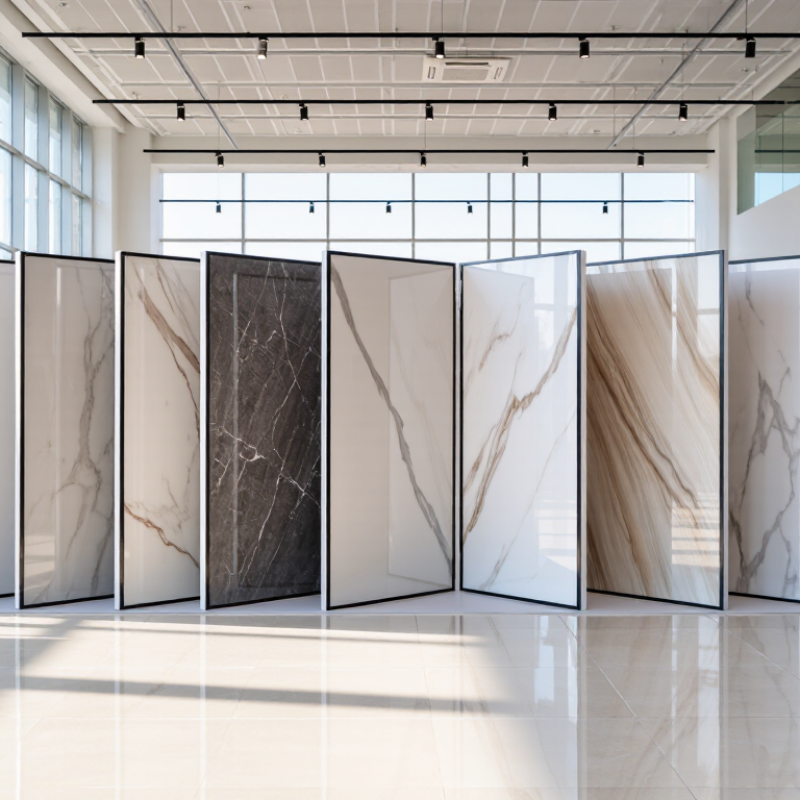
PVC marble panels are decorative wall sheets made from a PVC-based core and a printed stone pattern. A protective film usually adds gloss, texture, and stain resistance. They imitate marble without the weight, cutting difficulty, or porous surface of natural stone.
Grand View Research valued the global PVC market at about US$45.82 billion in 2022. It also forecast a 3.5% compound annual growth rate from 2023 to 2030. This figure covers all PVC products, not marble panels alone. Still, it shows the material’s broad industrial importance. In practice, installers use these panels for bathroom walls, kitchen backsplashes, reception areas, retail interiors, and apartment renovations. Large sheets can cover a wall quickly. Fewer joints may also reduce cleaning problems.
Check the substrate carefully.
Panels need a dry, reasonably flat surface. Uneven plaster can create visible waves under glossy finishes. Installers commonly cut sheets with fine-tooth tools, then seal edges around wet zones. These panels resist splashes, but they should not automatically replace certified waterproofing systems. Product quality also varies. Some thin sheets scratch easily, and dark patterns may reveal poor printing alignment. I have found that a small sample test is more useful than a beautiful catalogue image. Grand View Research’s wider PVC data supports market confidence, but it does not prove every panel will perform well indoors. Buyers should review thickness, fire classification, adhesive compatibility, cleaning limits, and indoor-emission documentation before specifying them.
Choosing among China’s top PVC marble panel manufacturers requires more than comparing catalog photos. Evaluate factory experience, material knowledge, and production consistency. Ask how long the manufacturer has produced interior panels and which markets it serves. Experienced teams should explain PVC resin grades, surface films, calcium carbonate ratios, and fire-performance limits clearly.
Request recent test reports, batch records, and physical samples. Check panel thickness with a caliper, inspect edge cutting, and compare the marble pattern under warm and cool lighting. A reliable manufacturer should disclose density, dimensions, adhesive compatibility, and allowable color variation. It should also explain how moisture, heat, and transportation may affect the panels. Vague answers are warning signs.
Factory capability matters. Review extrusion lines, printing equipment, lamination pressure, and warehouse conditions. Ask whether inspectors record surface defects before packing. Independent laboratory testing adds authority, but documents should match the actual product batch. Communication is another practical test. Can the supplier respond accurately about packaging, lead times, replacement procedures, and installation guidance?
No factory is flawless. Minor shade differences can still appear. That is why a controlled sample approval process matters. I would also test several cartons, not one attractive sample. A manufacturer may promise stable quality, yet uneven backing or weak corners can appear after cutting. Careful verification feels slower, but it protects the project from costly rework.
China’s Top 10 PVC Marble Panel Manufacturers are often assessed through more than product appearance. A reliable manufacturer should offer stable surface printing, consistent panel thickness, and clear test documentation. In practice, buyers should examine production capacity, raw material control, export experience, and after-sales communication. These details often reveal more than polished showroom photographs.
The leading manufacturers usually provide panels for hotels, apartments, offices, retail spaces, and bathroom renovations. Their product ranges may include high-gloss, matte, stone-textured, fire-resistant, and moisture-resistant surfaces. Experienced suppliers can explain installation methods, adhesive compatibility, edge trimming, and cleaning requirements. They should also provide samples before large orders. Small color differences can appear between batches. That risk deserves attention. A strong supplier will discuss it openly, rather than promise perfect consistency.
Tips: Request a physical sample, technical data sheet, and recent loading photos. Check panel thickness with a caliper, not only by hand. Ask how the supplier handles damaged cartons and replacement claims. Confirm whether the marble pattern is printed, laminated, or digitally coated. Compare lead times during peak seasons. A low quotation may hide thinner backing, weaker packaging, or limited quality control. I have found that practical factory questions often matter more than sales language. Still, no evaluation is flawless; independent inspection remains wise for large projects.
China’s top ten PVC marble panel manufacturers should be compared beyond catalogue images. Designs vary from high-contrast veining to quiet stone patterns, with glossy, matte, and embossed finishes. A realistic showroom check matters. Gloss can look premium, but fingerprints may reveal weak surface coatings.
Material structure changes performance. Solid PVC panels usually feel denser, while foamed cores reduce weight and handling effort. Many products combine PVC resin, mineral filler, decorative film, and UV protection. Common sizes include 1,220 × 2,440 mm and 1,220 × 2,800 mm, with thicknesses near 2.5–5 mm. Grand View Research estimated the global PVC wall panel market at about USD 4.13 billion in 2023, with projected growth of roughly 5.7% annually through 2030. This expansion increases product variety, but also makes specification errors easier.
Performance claims need independent evidence. Request water absorption, surface abrasion, dimensional stability, and fire-test results for the exact model. ASTM E84 or EN 13501-1 reports are more useful than general certificates. Check whether testing covers the complete panel, not only its decorative film. Inspect cut edges, backing flatness, and color consistency under daylight. An experienced buyer should also compare installation waste and replacement lead times. Reports often show strength, not site reality. That gap deserves attention.
Choosing among China’s top PVC marble panel manufacturers requires more than comparing prices. Start by checking production experience, factory capacity, and material control. A reliable supplier should explain its PVC resin, surface film, printing process, and panel thickness clearly. Ask for recent test reports, not old certificates with unclear dates.
Request physical samples before discussing large orders. Check the panel under bright light. Look for uneven marble patterns, bubbles, weak edges, or color differences between batches. Measure thickness with a digital caliper. Bend a sample gently, then inspect whether the surface cracks or separates.
Small details matter.
Visit the factory, online or in person. Review raw material storage, cutting equipment, packing methods, and quality records. Ask how many panels are inspected per batch and what happens when defects appear. Export experience also matters. Confirm packaging strength, labeling, loading plans, and documentation for your destination market.
Do not trust polished photos alone. They can hide problems. A very low quotation may reflect thinner panels, recycled materials, or unstable surface quality. I have seen buyers focus on price and later pay more for replacements and delayed installation.
That mistake is common. A supplier should provide consistent communication, realistic lead times, and written specifications. Even then, recheck the details. Good sourcing is careful, not perfect.