Top 10 Acoustic Panels for Global Buyers in 2026?
In the evolving world of acoustic management, the demand for high-quality acoustic panels is soaring. John Smith, a leading expert in sound engineering, once stated, "Choosing the right acoustic panel transforms any space." His words resonate as we explore the top acoustic panels for global buyers in 2026.
Acoustic panels play a crucial role in enhancing sound quality. From studios to offices, these panels are essential for sound absorption. Numerous options are available, but selecting the right one can be overwhelming. Some panels promise superior performance, yet may fall short in real-world applications. Buyer reviews often highlight inconsistencies in claims.
As we dive into the latest trends, it’s vital to consider not only aesthetics but functionality too. The panel’s material, thickness, and design influence its effectiveness. The right choice enhances audio clarity, while a poor selection can lead to frustration. More than just absorbing sound, they shape the acoustic landscape of our environments. It’s important to research thoroughly and reflect on previous experiences when making a selection.
Top Acoustic Panels for Soundproofing in Home Studios
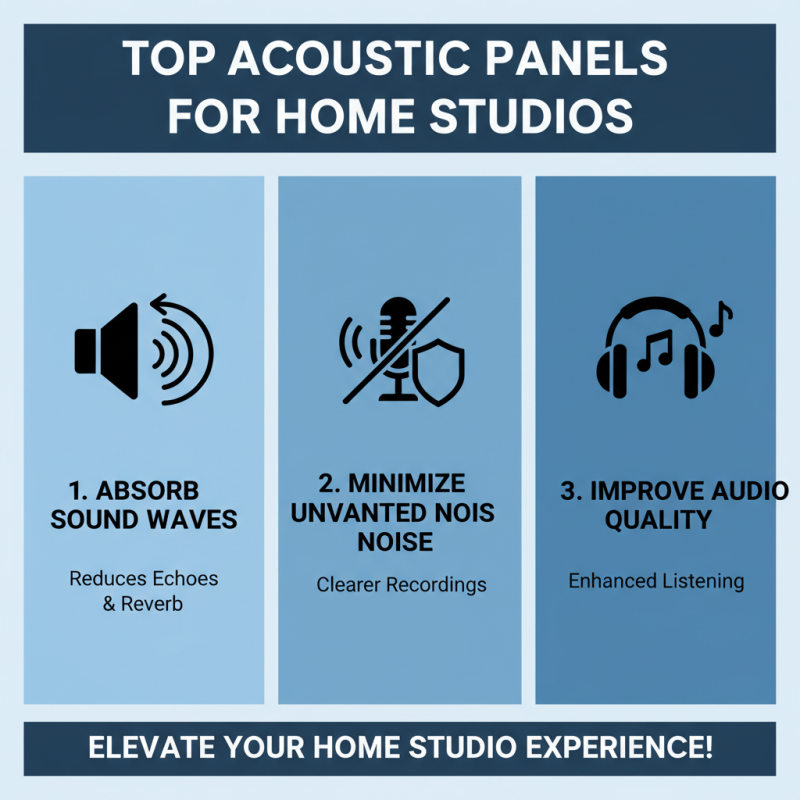
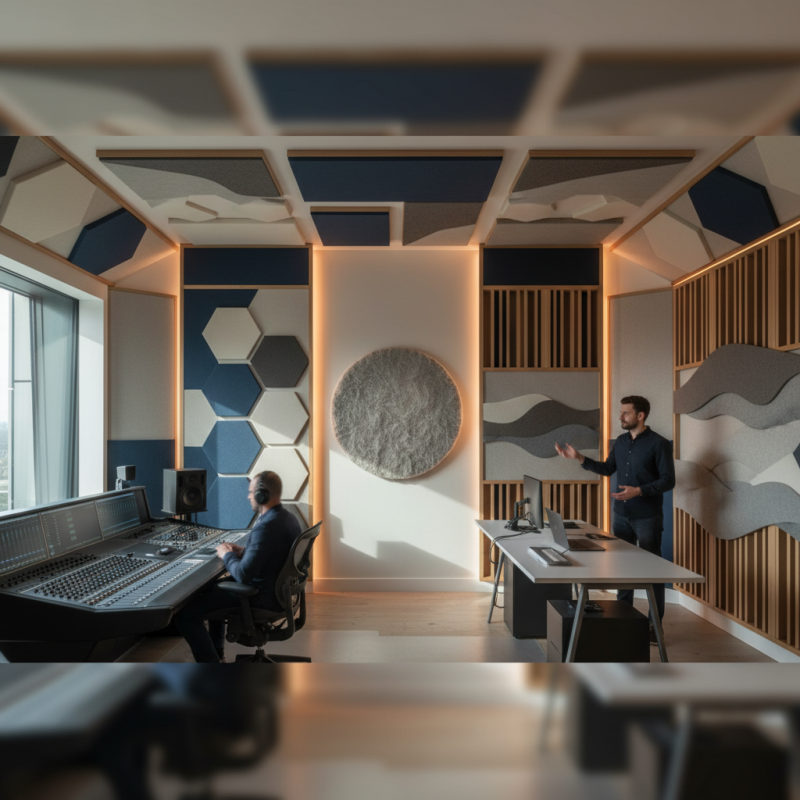
Creating an ideal sound environment in home studios is essential for any audio enthusiast. Acoustic panels play a crucial role in achieving this. They effectively absorb sound waves, reducing echoes and unwanted noise. This transformation can elevate your recordings and listening experiences significantly.
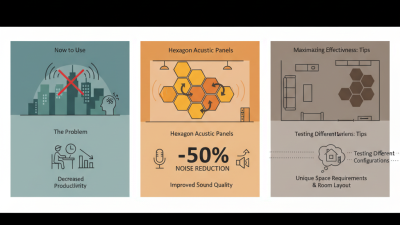
When choosing panels, consider their material and thickness. Panels made of foam or fabric provide various sound absorption levels. It's essential to evaluate their placement within your studio. Experiment with different positions to find the most effective layout. Sometimes, trial and error leads to the best results.
Remember that professional-grade panels can be costly. However, there are affordable options that still deliver good results. Not every studio requires the most expensive equipment. It’s beneficial to understand your specific needs before making a purchase. Balancing quality and budget is often a tough task in the creative process.
Key Features to Consider When Choosing Acoustic Panels
When selecting acoustic panels, various critical features must be considered. Material plays a vital role. Some panels are made of foam, while others use fabric or wood. Each material has its sound-absorbing qualities. Experimenting with different options can reveal their unique strengths. It's important to assess the specific needs of your space, as not all materials suit every environment.
Another factor is panel thickness. Thicker panels often provide better sound absorption. However, it’s essential to balance thickness with aesthetics. Not every location allows for bulky panels. Additionally, color and design choices can impact room decor. This can lead to decision fatigue when trying to achieve both function and style.
Installation methods should also be considered. Some panels are easy to mount, while others may require professional help. Users may overlook this aspect, thinking all panels are simple to install. Misjudging installation complexity can lead to frustration later. Reflection on these choices is crucial to ensure a satisfactory outcome.
Top 10 Acoustic Panels for Global Buyers in 2026
| Panel Type |
Material |
Thickness (inches) |
NRC Rating |
Color Options |
Application |
| Acoustic Foam |
Polyurethane Foam |
2 |
0.95 |
Multiple |
Home Studio |
| Fabric Wrapped Panels |
Mineral Fiber |
1.5 |
0.85 |
Custom Colors |
Office Space |
| Wooden Acoustic Panels |
Wood |
0.75 |
0.90 |
Natural Finishes |
Concert Hall |
| Bamboo Panels |
Bamboo |
1 |
0.80 |
Light Brown |
Cafes |
| Mineral Fiber Panels |
Mineral Fiber |
2 |
0.75 |
Various |
Classrooms |
| PVC Acoustic Panels |
PVC |
1 |
0.85 |
Multiple |
Recording Studios |
| Soundproof Panels |
Gypsum Board |
0.5 |
0.92 |
Clay |
Home Theaters |
| Perforated Panels |
Fiberboard |
1 |
0.78 |
White, Black |
Theaters |
| Ceiling Tiles |
Acoustic Tile |
1 |
0.88 |
Grid options |
Commercial Spaces |
Comparative Analysis of Popular Acoustic Panel Materials
In 2026, the demand for acoustic panels is expected to rise significantly. This trend is driven by the growing awareness of sound quality in residential and commercial spaces. A recent market report indicates a projected growth rate of 7% annually for acoustic panel sales in the next five years.
Among the popular materials, fiberglass and foam dominate. Fiberglass panels are noted for their high sound absorption capabilities, often outperforming other materials in extensive studies. They typically achieve Noise Reduction Coefficients (NRC) exceeding 0.90. However, fiberglass production poses environmental concerns. The energy usage and waste generated during manufacturing processes raise questions about sustainability.
Foam panels, on the other hand, are lightweight and versatile. They provide decent sound absorption, with NRC values averaging around 0.75. While cost-effective, they may not be the best option for critical applications. Users often report they can perform well in home studios but are less effective in large spaces.
Metal and wood panels also enter discussions, noted for their aesthetic appeal. Yet, their performance in isolation remains debatable. Achieving a balance between aesthetic and acoustic performance is a challenge that requires thoughtful consideration. As the industry evolves, understanding these materials' strengths and weaknesses is crucial for making informed choices.
Future Trends in Acoustic Panel Design and Functionality
The future trends in acoustic panel design emphasize both aesthetics and functionality. In 2026, buyers will seek panels that not only absorb sound effectively but also enhance interior design. Colours and textures will play a vital role in appealing to diverse consumer tastes. Soft, natural materials may gain popularity, as sustainability drives choices.
Innovative designs will likely focus on modularity. Panels that can be easily customized or rearranged will attract many buyers. This flexibility can cater to various spaces, from home offices to commercial environments. However, achieving the perfect harmony between form and function remains a challenge. Manufacturers must consider how aesthetics impact acoustic performance without compromising sound quality.
As technology advances, we may see the integration of smart features in acoustic panels. Imagine panels that adjust their properties based on the environment or user preferences. Yet, with these advancements comes the need for thorough testing and validation. Ensuring reliability and performance will be crucial as trends evolve. Buyers will demand transparency in product specifications, emphasizing trust in manufacturers.