Top 10 Benefits of Using Wpc Wall Panel for Your Home Decor
In the ever-evolving world of interior design, the choice of materials plays a crucial role in achieving the desired aesthetic and functionality. One such material that has garnered significant attention is the Wpc Wall Panel. Renowned industry expert, Dr. Emily Grant, a leading figure in sustainable building materials, aptly stated, "Wpc Wall Panels blend style with sustainability, making them an essential choice for modern homes."
As homeowners seek versatile and eco-friendly decor solutions, Wpc Wall Panels emerge as a top contender. These panels not only enhance the visual appeal of a space but also offer durability and practicality. With unique features like water resistance, ease of installation, and low maintenance, they have become a favorite among decorators and builders alike.
In this article, we will explore the top ten benefits of using Wpc Wall Panels for your home decor, highlighting how they can transform your living spaces while aligning with environmentally-conscious values. Whether you're renovating an existing space or constructing a new one, incorporating Wpc Wall Panels will elevate your interior design to new heights.
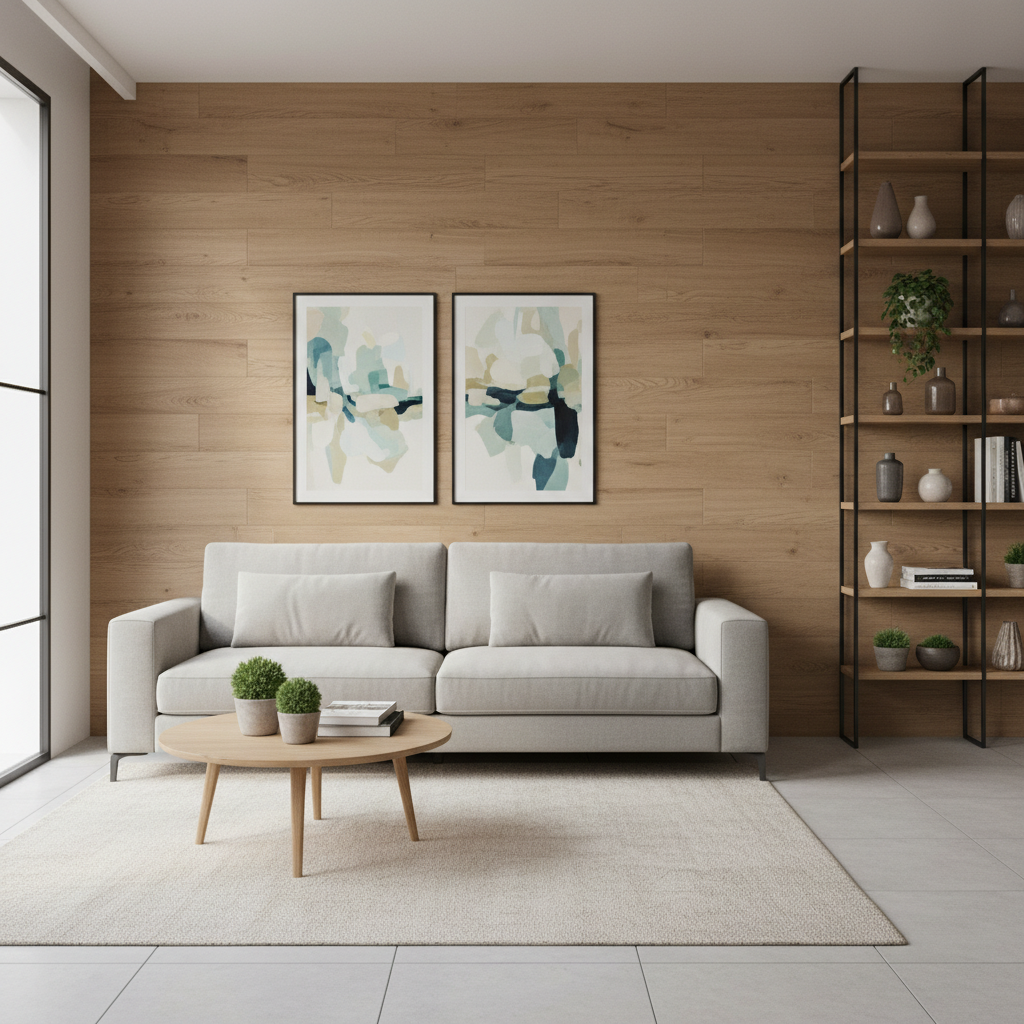
Advantages of WPC Wall Panels in Home Aesthetics
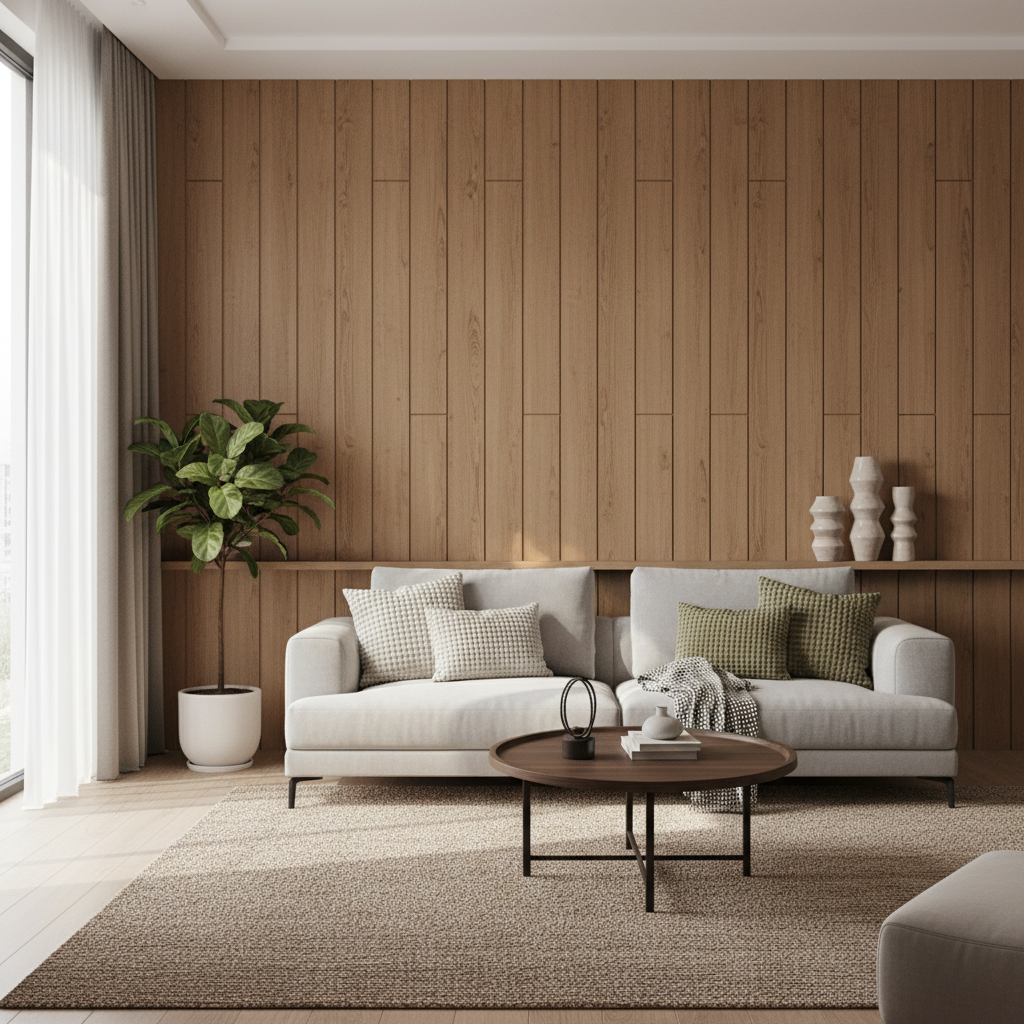
WPC (Wood-Plastic Composite) wall panels have gained immense popularity in home decor due to their aesthetic versatility and practical benefits. These panels are designed to mimic the look of natural wood while offering the durability and low maintenance of synthetic materials. The combination of wood fibers and thermoplastics not only enhances the visual appeal of interiors but also allows for a wide range of styles, from rustic to contemporary, thus making them suitable for any home decor theme.
In addition to their attractive appearance, WPC wall panels provide significant advantages in terms of durability and sustainability. They are resistant to moisture, pests, and decay, which makes them ideal for various environments. The eco-friendly nature of WPC, being a composite of recycled materials, resonates with environmentally conscious homeowners looking to reduce their carbon footprint. Furthermore, the easy installation process of these panels saves time and effort, allowing homeowners to quickly transform their spaces while enjoying the aesthetic benefits without compromising on functionality.
Durability and Maintenance Benefits of WPC Materials
WPC (Wood Plastic Composite) wall panels offer an impressive blend of durability and ease of maintenance, making them an ideal choice for home decor. One of the standout features of WPC materials is their resistance to moisture and decay. Unlike traditional wood, WPC does not warp or swell when exposed to humidity, ensuring that your home remains looking pristine over time. This inherent durability means that you can enjoy the aesthetic appeal of wood without the frequent concerns of damage from weather or pests.
In addition to their moisture resistance, WPC wall panels are incredibly easy to maintain. Unlike conventional wall materials that may require staining, painting, or sealing, WPC panels can be easily cleaned with just soap and water. This low-maintenance requirement makes them a practical option for busy households, allowing homeowners to spend less time on upkeep and more on enjoying their spaces. The combination of durability and minimal maintenance positions WPC wall panels as a forward-thinking choice for those looking to enhance their home decor without the added stress of regular repairs and upkeep.
Cost-Effectiveness of WPC Wall Panels for Homeowners
WPC wall panels have emerged as a favorite choice among homeowners primarily due to their cost-effectiveness and durability.
The WPC (Wood Plastic Composite) wall panel market is experiencing significant growth, with a market revenue that was valued at USD 4.5 billion in 2024 and projected to reach USD 7.2 billion by 2033, reflecting a CAGR of 6.5% from 2026.
This steady growth highlights the increasing adoption of WPC materials in residential projects, making them an attractive option for budget-conscious consumers looking to enhance their home decor.
One of the major advantages of WPC wall panels is their low maintenance and ease of installation, which translates to lower overall costs for homeowners.
Compared to traditional materials, WPC panels resist the common issues of warping and fading, ensuring longevity and aesthetics without the continual investment often associated with wood or plaster options.
The rising consumer demand for sustainable and innovative interior design materials further underscores the appeal of WPC panels, which not only provide visual elegance but also align with environmentally conscious choices, making them a smart investment for modern homes.
Eco-Friendly Features of WPC Wall Panels for Sustainable Living
WPC (Wood Plastic Composite) wall panels are gaining popularity in home decor, and one of their standout features is their eco-friendly composition. Made from a blend of recycled wood fibers and plastic, these panels offer a sustainable alternative to traditional materials. By utilizing waste materials, WPC panels contribute to reducing the demand for virgin wood, thereby promoting responsible forestry practices and conserving natural resources. This eco-conscious approach not only lessens the environmental footprint but also aligns with the growing trend towards sustainable living.
Moreover, WPC wall panels are designed to be energy-efficient, helping to maintain comfortable indoor temperatures. Their insulating properties reduce the need for excessive heating or cooling, leading to lower energy consumption and utility bills. Additionally, these panels are resistant to moisture, termites, and warping, ensuring longevity and minimizing the need for frequent replacements, which can result in further waste. The combination of durability and aesthetics makes WPC wall panels not only an environmentally friendly choice but also a practical one for homeowners looking to enhance their living spaces sustainably.
Top 10 Benefits of Using WPC Wall Panel for Your Home Decor
| Benefit |
Description |
Eco-Friendly Feature |
| Sustainability |
Made from recycled wood and plastic, reducing waste. |
Utilizes renewable materials. |
| Durability |
Resistant to rot, mold, and insects. |
Long-lasting life cycle. |
| Low Maintenance |
Requires minimal upkeep compared to wood. |
Reduces resource usage for upkeep. |
| Aesthetic Appeal |
Available in various designs and finishes. |
Encourages the use of eco-chic designs. |
| Water Resistance |
Highly resistant to moisture, ideal for humid areas. |
Minimizes the need for chemical treatments. |
| Energy Efficiency |
Insulating properties help reduce energy costs. |
Promotes energy conservation. |
| Sound Insulation |
Excellent sound absorption qualities. |
Creates a quieter living environment. |
| Customization |
Easily customizable to fit unique design needs. |
Supports creative eco-friendly solutions. |
| Cost-Effective |
Long-term cost savings due to low maintenance and durability. |
Reduces waste and resource expenditure over time. |
| Ease of Installation |
Lightweight and easy to handle, allowing for quicker installation. |
Lowers labor costs and environmental impact. |
Versatility in Design: WPC Wall Panels for Any Interior Style
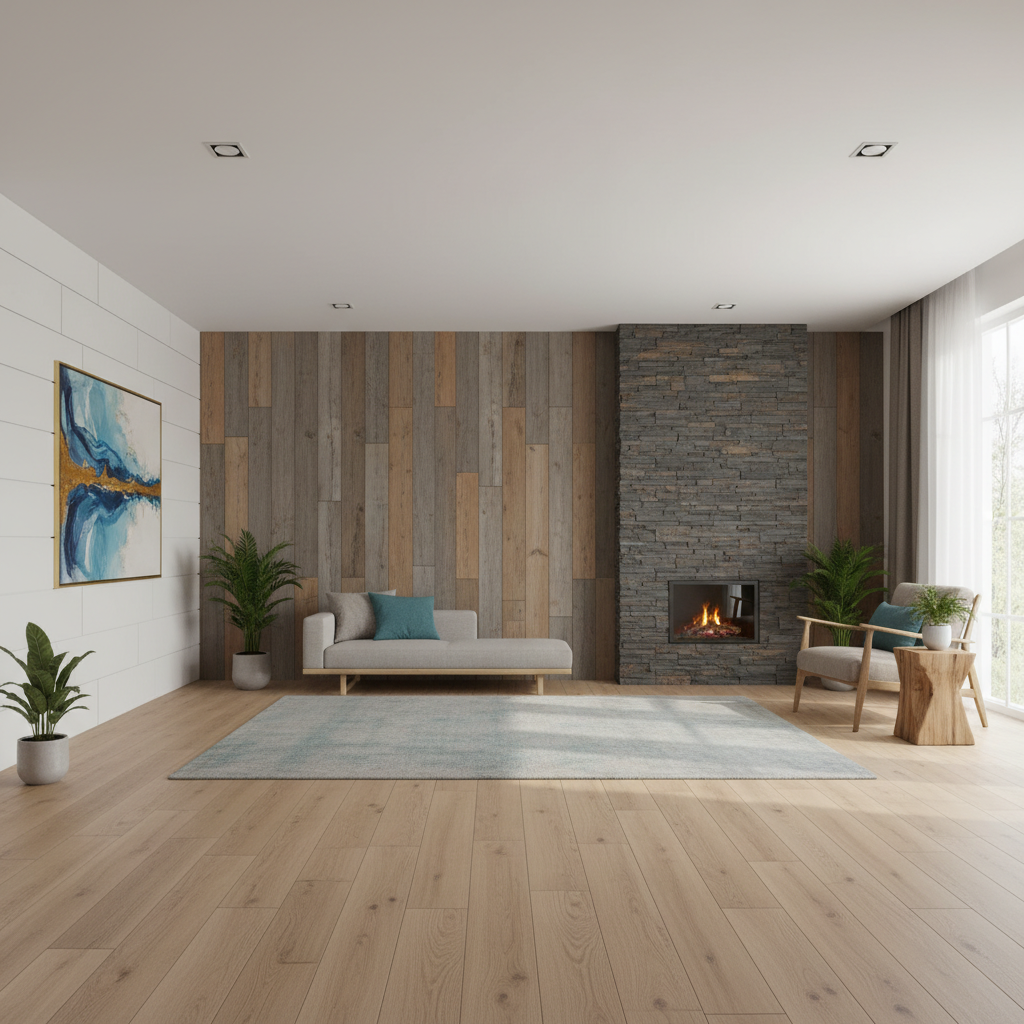
WPC wall panels, made from a combination of wood fibers and plastic,
offer remarkable versatility in design, making them an ideal choice for any interior style.
Whether your home boasts a contemporary, rustic, or traditional aesthetic, these panels can seamlessly
integrate into your decor. With a variety of textures, colors, and finishes available, WPC wall panels
allow homeowners to express their personal style while enhancing the visual appeal of their spaces.
One of the key advantages of using WPC wall panels is their adaptability.
They can be easily cut and shaped to fit unique layouts, providing endless design possibilities.
From accent walls to full room applications, these panels can transform a dreary space into a stunning focal point.
Additionally, their moisture resistance makes them suitable for humid areas like kitchens and bathrooms, ensuring that you won’t need to compromise style for functionality.
With WPC wall panels, the potential to create an inviting and stylish home is limited only by your imagination.