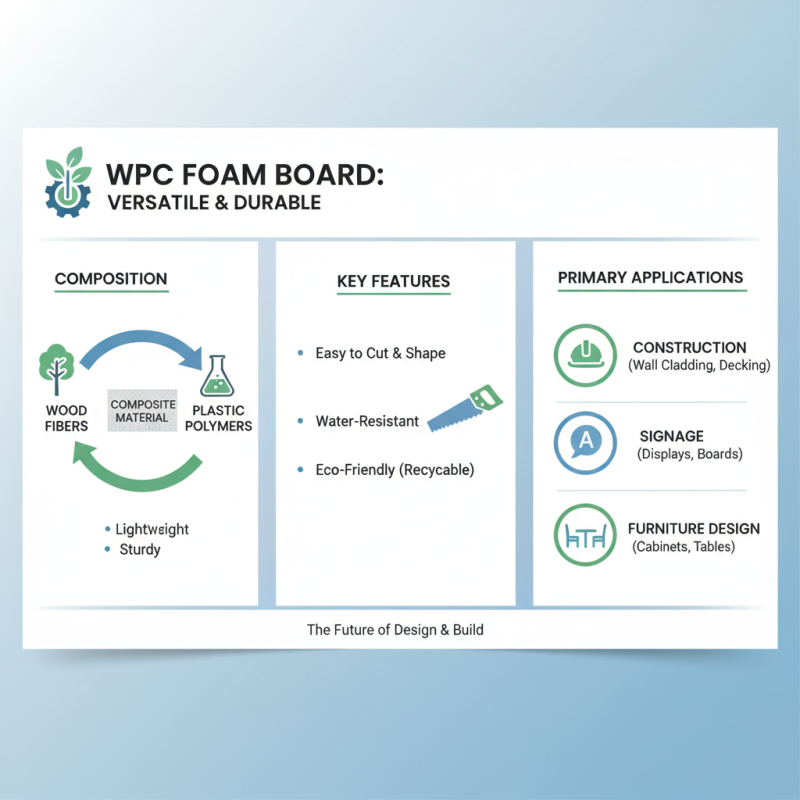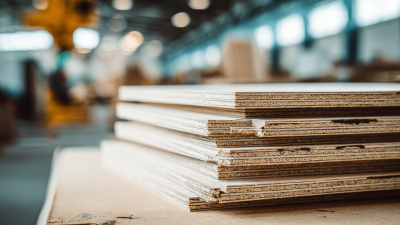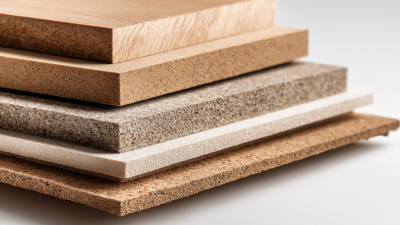
At the upcoming 2026 Canton Fair, WPC Foam Board is expected to take center stage. With its unique blend of durability and versatility, this material is gaining traction in various industries. Industry expert Dr. Emily Chen emphasizes, "WPC Foam Board represents the future of sustainable building materials." Her insights underline the growing importance of eco-friendly solutions.
Manufacturers and buyers alike will explore the benefits of WPC Foam Board at the fair. Its lightweight nature allows for easy transportation and installation, making it a preferred choice for builders. Additionally, WPC Foam Board is resistant to moisture, rot, and termites, proving essential for outdoor applications. The Canton Fair's advanced AI search functions will help visitors connect with certified suppliers of WPC Foam Board.
However, challenges remain. Some manufacturers struggle with consistent quality, which can impact projects. This issue highlights the need for thorough supplier evaluations. Despite these hurdles, the advantages of WPC Foam Board make it a compelling choice in modern construction and design. The fair will undoubtedly shine a light on these discussions, shaping the future of the industry.
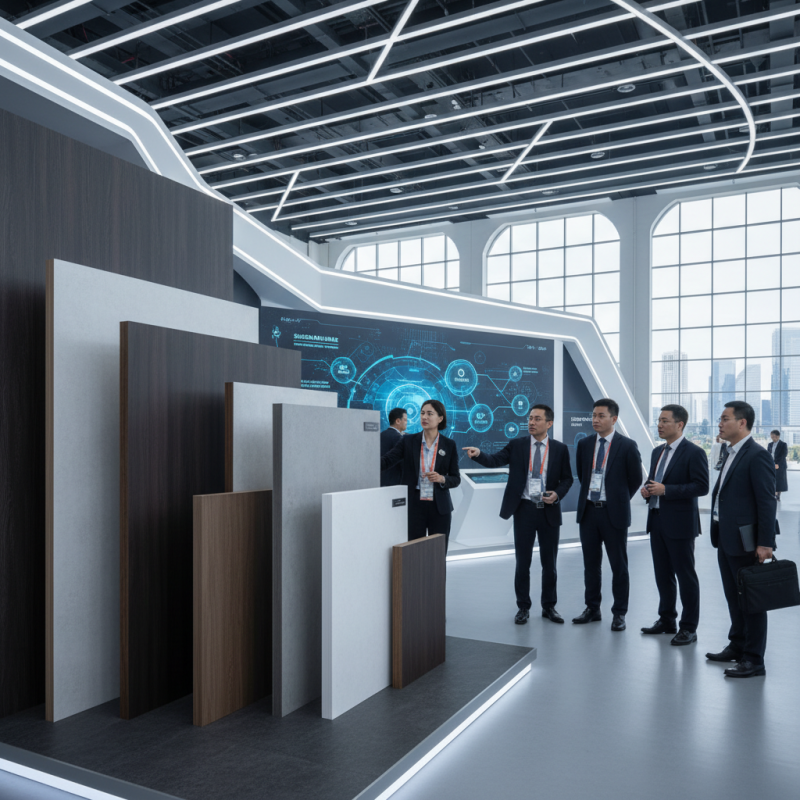
WPC foam board, a versatile material, has gained popularity across various industries. It combines wood fibers and plastic, creating a lightweight yet sturdy option. This unique composition makes it ideal for applications in construction, signage, and furniture design. Many designers appreciate its workability. This allows for easy cutting and shaping to meet specific project needs.
Its resistance to moisture is another attractive feature. WPC foam board does not swell or warp, unlike traditional wood. This characteristic makes it suitable for outdoor use. However, some users find that it can be less durable under extreme weather conditions. Understanding these limitations is essential in selecting the right materials.
Another plus is its eco-friendly nature. The use of recycled materials minimizes environmental impact. Still, not all products labeled as eco-friendly meet rigorous standards. Buyers should research certifications to ensure their sustainability claims are valid. WPC foam board serves many purposes. However, accessibility in different markets remains a challenge. Exploring local suppliers can be beneficial for timely project completion.
WPC foam board has become a highlight at the 2026 Canton Fair. Its impact on various industries is undeniable. This material is gaining popularity due to its impressive features. Lightweight yet durable, WPC foam board is water-resistant and environmentally friendly. It consists of recycled wood and plastic, making it a sustainable choice.
Many professionals are drawn to its versatility. According to recent industry reports, the use of WPC foam board in construction has increased by 25% in the past year alone. Exhibitors at the fair showcased its applications in signage, packaging, and furniture design. A strong market push towards eco-friendly materials is evident.
**Tip:** When selecting WPC foam, assess its density and thickness. This can directly affect its performance. Different projects may require different specifications. Also, be cautious about the source of your materials. Manufacturers should follow strict quality controls.
Another aspect to consider is the maintenance of WPC foam boards. While they are resilient, improper handling can lead to scratches or dents. Regular cleaning with a mild detergent is recommended to enhance longevity. This ensures that the boards maintain their appeal over time.
Despite its benefits, some challenges remain. Variability in product quality exists among suppliers. Therefore, thorough research is essential. Knowledge about the latest trends can also influence purchasing decisions.
WPC foam boards have gained popularity in various industries, thanks to their environmental advantages. Unlike traditional materials, WPC boards are made from recycled wood fibers and plastic, reducing landfill waste. A report from the Environmental Protection Agency shows that using WPC can lower carbon emissions by up to 45% compared to conventional alternatives.
Manufacturers enjoy the benefits too. WPC foam boards are lightweight yet durable, making them easier to transport and work with. Installation time is often shortened, minimizing energy use on job sites. However, there is still a need for manufacturers to find a balance between sustainability and cost-effectiveness.
Tips: Consider sourcing WPC foam boards from suppliers who prioritize sustainable practices. Always check for certifications that indicate environmental stewardship. Experimenting with WPC in your projects could lead to innovative solutions while supporting eco-friendly initiatives. However, be mindful of the trade-offs between upfront costs and long-term benefits.
The 2026 Canton Fair highlights the rising popularity of WPC foam board. This innovative material is known for its cost-effectiveness and exceptional durability. According to recent industry reports, WPC foam board can reduce material costs by up to 30% compared to traditional materials. This makes it an appealing choice for many businesses looking to optimize expenses.
Durability is another key advantage. WPC foam boards boast resistance to moisture, pests, and rot. This can lead to lower maintenance costs over time. Research indicates that the lifespan of WPC products can exceed 50 years, which is impressive. Many users report significant savings on repairs and replacements.
**Tip:** When selecting WPC foam board, consider its thickness and density. Thicker boards usually offer better strength and insulation.
**Tip:** Evaluate the specific needs of your project. Depending on your use, a more flexible board may be required.
Despite these advantages, some still question the production processes used. Ensuring sustainability is crucial for long-term success. Businesses need to address these concerns transparently. It’s essential to keep improving and refining materials to meet consumer expectations.
| Benefit | Description | Cost-Effectiveness | Durability |
|---|---|---|---|
| Lightweight | Easy to handle and transport. | Reduces shipping costs. | Resistant to warping and bending. |
| Water-Resistant | Ideal for outdoor applications. | Less maintenance costs. | Longer lifespan in wet conditions. |
| Eco-Friendly | Made from recycled materials. | Reduces waste disposal costs. | Sustainable product choice. |
| Customizable | Easily cut and shaped. | Saves time on production. | Maintains form and stability after customization. |
| Impact Resistant | Withstands harsh conditions. | Reduces replacement costs. | Long-lasting structural integrity. |
| UV Resistant | Maintains color and quality in sunlight. | Less frequent repainting needed. | Prevents degradation over time. |
| Easy to Clean | Simple maintenance process. | Reduces labor costs in upkeep. | Remains pristine longer. |
| Versatile Applications | Used in signage, constructions, and displays. | Cost-effective for multiple projects. | High durability across various uses. |
| Enhanced Aesthetics | Attractive designs and finishes available. | Increased value perception. | Lasting visual appeal. |
The 2026 Canton Fair showcases the innovative potential of WPC foam boards. These materials combine wood fibers and plastic, offering unique design flexibility. Designers can easily shape and mold them into intricate patterns. The result is a product that balances aesthetics with practicality.
Artists and architects appreciate WPC foam boards for their versatility. These boards can mimic natural textures and colors. This opens new avenues for creativity. However, some designers find the material's weight cumbersome. It requires additional planning for transport and installation. Addressing these challenges can lead to even more creative solutions.
In today's world, sustainability matters. Using WPC foam boards supports eco-friendly practices. They often contain recycled materials, attracting environmentally conscious clients. Yet, the manufacturing process must remain a focus. Continuous improvement will ensure the longevity of these boards. Without innovation, the potential of WPC foam could stagnate. Exploring new uses and designs is essential for future growth.