How to Use Flexible Stone for Stunning Home Improvements
In today's home improvement landscape, innovative materials are revolutionizing the way we design and enhance our living spaces. One such remarkable material is Flexible Stone, which combines the beauty of natural stone with unparalleled versatility. This unique product not only caters to aesthetic desires but also offers practical advantages that can transform any home into a stunning masterpiece. Whether you’re looking to revamp your kitchen, bathroom, or living area, Flexible Stone provides an array of applications that seamlessly blend form and function.
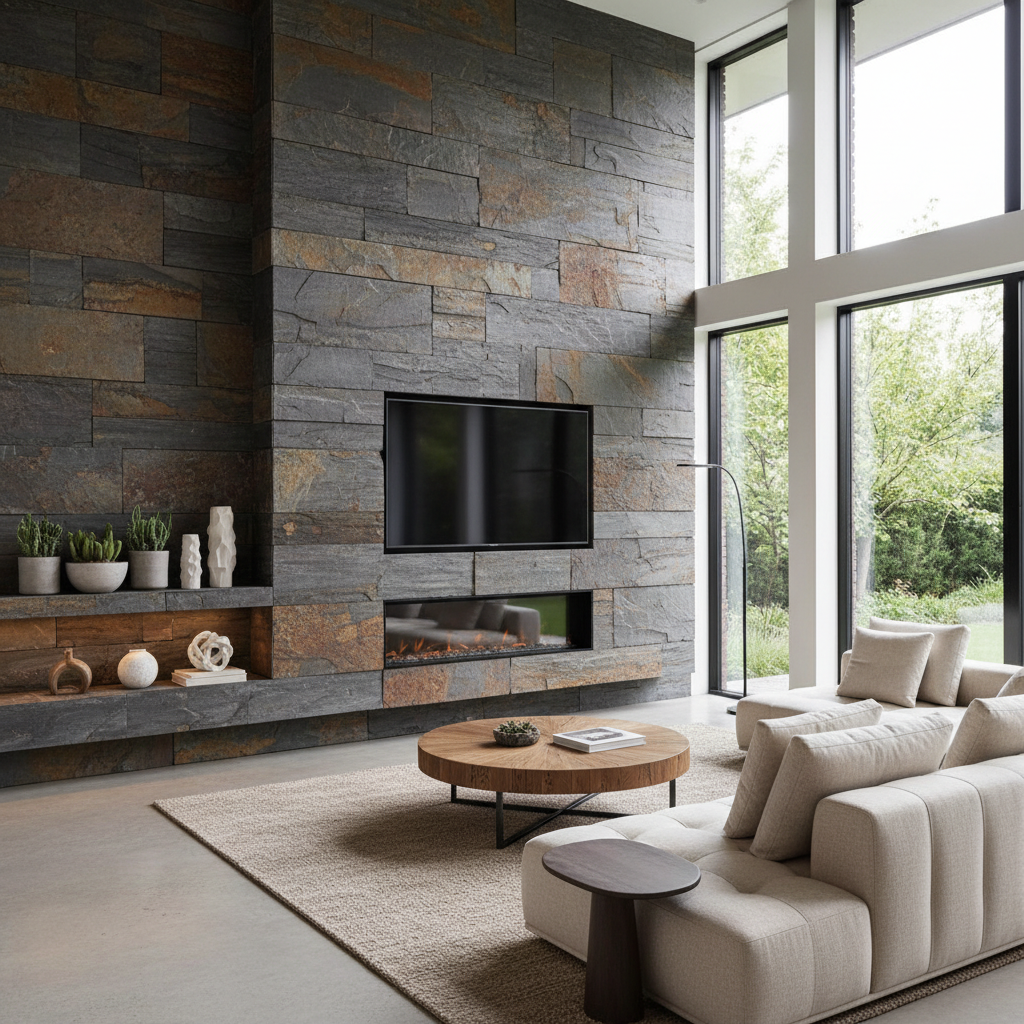
As homeowners increasingly seek options that allow for creativity without compromising strength or durability, Flexible Stone stands out as an ideal choice. Its lightweight nature and easy installation process empower even the most novice DIY enthusiasts to undertake ambitious home improvement projects. From accent walls to countertops, this adaptable material serves as an excellent canvas for expressing personal style, while also contributing to a cohesive design theme throughout the home.
In this article, we will explore various ways to incorporate Flexible Stone into your home improvement endeavors. We will discuss its properties, installation techniques, and design possibilities, demonstrating how this extraordinary material can elevate your interiors and exteriors alike. Get ready to unleash your creativity and achieve stunning results with the transformative powers of Flexible Stone.
Flexible Stone: An Introduction to Its Unique Properties
Flexible stone is increasingly recognized for its unique properties, making it an ideal material for home improvements. Characterized by its lightweight composition and ability to mimic natural stone appearances, flexible stone can be applied to various surfaces, enabling homeowners to achieve stunning aesthetics without the burdensome weight of traditional stone. According to industry reports, the flexible stone market is anticipated to grow significantly, driven by an increased focus on eco-friendly materials and innovative construction techniques.
The versatility of flexible stone extends beyond mere aesthetics; it is also known for its durability and resistance to various environmental factors. This makes it suitable for both interior and exterior applications, from feature walls to outdoor designs. Moreover, as trends towards sustainable building materials rise, flexible stone stands out as a viable option, aligning with the growing demand for products that contribute to energy efficiency and reduced waste in construction. By incorporating flexible stone into home improvements, homeowners can not only enhance visual appeal but also promote sustainability, reflecting a broader shift in modern design practices.
How to Use Flexible Stone for Stunning Home Improvements
| Property |
Description |
Applications |
Maintenance |
| Lightweight |
Flexible stone is much lighter than traditional stone. |
Wall coverings, countertops |
Simple cleaning with mild soap and water. |
| Durability |
Highly resistant to wear and tear. |
Flooring, outdoor surfaces |
Regular inspections for chips or cracks. |
| Variety of Styles |
Available in numerous colors and textures. |
Interior design, decorative accents |
Avoid harsh chemical cleaners to preserve finish. |
| Eco-friendly |
Made from sustainable materials. |
Green building projects, sustainable design |
Recyclable and requires less energy to produce. |
Benefits of Using Flexible Stone in Home Improvements
Flexible stone is rapidly gaining popularity in home improvement projects due to its numerous benefits. According to a 2022 industry report from the Home Improvement Research Institute (HIRI), the market for innovative materials like flexible stone is projected to grow by 15% annually. This surge is primarily attributed to its versatility, durability, and aesthetic appeal, making it an ideal choice for homeowners seeking to elevate their living spaces.
One major benefit of using flexible stone is its ease of installation. Unlike traditional stone, flexible stone can be applied to almost any surface, including curved or uneven areas. This adaptability saves both time and labor costs, making it an attractive option for DIY enthusiasts and contractors alike. Additionally, flexible stone is lightweight, allowing for easier handling and reduced structural loads on walls and ceilings, contributing to overall building stability.
Tips: When considering flexible stone for your home improvements, ensure that you properly prepare the substrate by cleaning and priming it for better adhesion. Additionally, using a high-quality adhesive specifically designed for flexible stone can enhance long-term performance. Lastly, explore different finishes and colors to fully realize the potential of flexible stone, creating unique designs that reflect your personal style.
Step-by-Step Guide to Installing Flexible Stone Panels
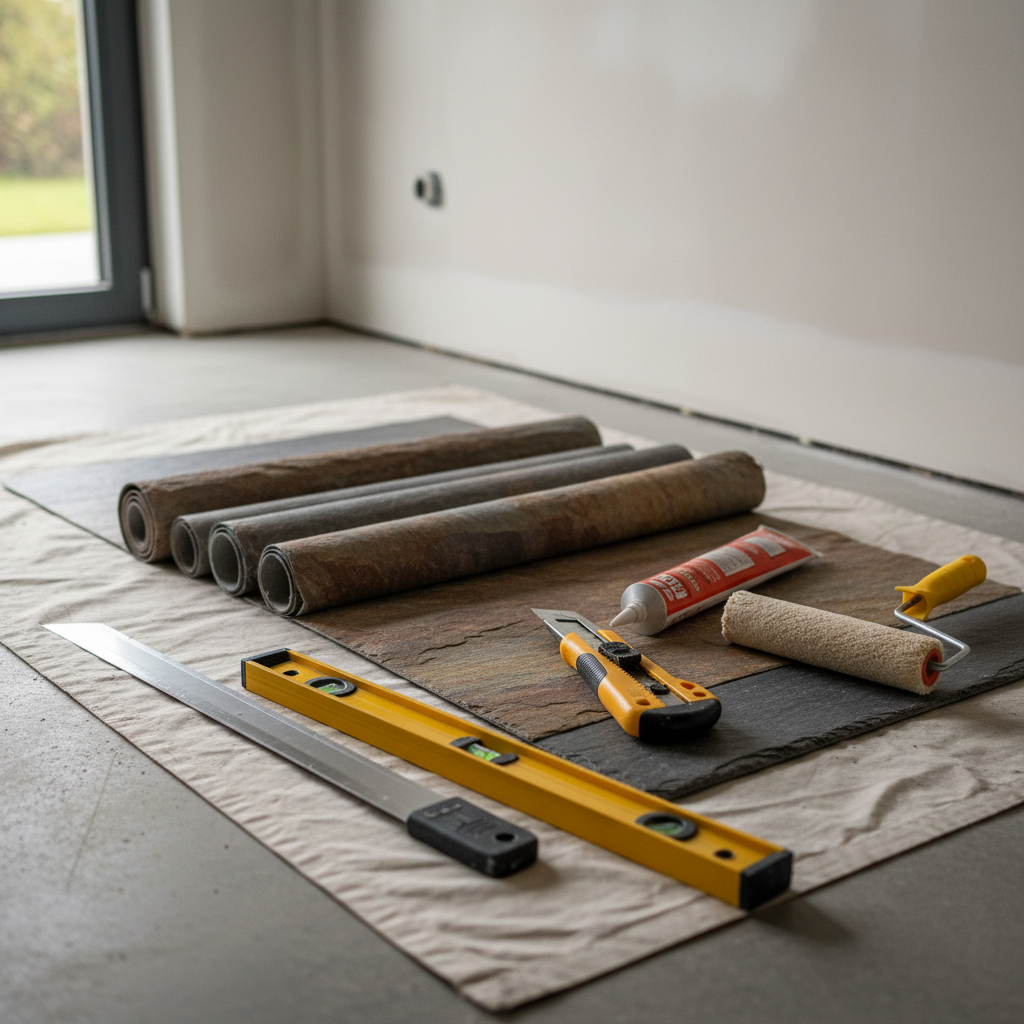
Installing flexible stone panels can transform your home with an elegant and natural look. The first step is to gather your materials and tools. You'll need flexible stone panels, adhesive, a utility knife, a level, and a roller. Begin by ensuring the surface where the panels will be installed is clean, dry, and properly primed for adhesion.
Next, measure and cut the flexible stone panels to fit your desired area. Using a utility knife, carefully score the back of the panel and snap it along the line for a clean break. Apply adhesive to the back of the panel evenly, then press it firmly against the wall, using a level to ensure it’s straight. Continue this process for each panel, making sure to align them properly to avoid gaps. Once all panels are installed, use a roller to press down lightly on the surfaces to secure them further. Finishing with caulk along edges can enhance the overall look and provide an extra layer of protection against moisture.
Creative Applications of Flexible Stone in Interior Design
Flexible stone is revolutionizing the world of interior design with its unique combination of beauty and versatility. Unlike traditional stone, this innovative material can be easily molded and applied to various surfaces, making it perfect for creative applications in home decor.
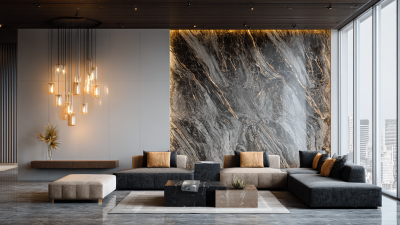
One popular use is in feature walls, where flexible stone adds a touch of luxury and organic texture to living spaces. The ability to choose from a variety of colors and finishes allows homeowners to customize their interiors, transforming ordinary walls into stunning focal points.
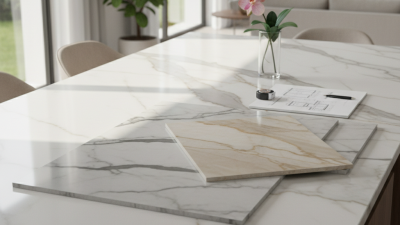
In addition to walls, flexible stone can enhance furniture and cabinetry. Designers are increasingly incorporating this material into countertops, tabletops, and custom furniture pieces, giving them a sophisticated look while maintaining practicality.
Its lightweight nature means it can be used in places where traditional stone would be too heavy, expanding the possibilities for stylish design. Whether used in bathrooms for a spa-like atmosphere or in kitchens for a modern aesthetic, flexible stone proves to be an effective choice for those looking to achieve a sophisticated yet functional design in their homes.
Maintenance Tips for Keeping Flexible Stone Looking Stunning
Flexible stone, a versatile material derived from real stone, offers aesthetic appeal and durability for home decor. To keep it looking stunning, proper maintenance is essential. According to a report by the National Association of Home Builders, the longevity of stone materials can increase by up to 30% with routine care, making maintenance a critical factor for homeowners.
One key tip is to regularly clean the surface with a pH-neutral cleaner. This type of cleaner avoids harsh chemicals that can damage the stone's finish. Additionally, applying a sealant every few years can provide an extra layer of protection against stains and moisture. The Marble Institute of America recommends using a sealant designed specifically for flexible stone to maintain its natural beauty and durability.
Another important aspect to consider is temperature control. Flexible stone can expand and contract with temperature variations, so it's best to avoid exposing it to extreme heat or cold. Keeping indoor temperatures stable not only preserves the material’s integrity but also minimizes the risk of cracks or flaking. Following these tips can ensure that your flexible stone continues to enhance the beauty of your home for years to come.
Maintenance Tips for Flexible Stone