Why Choose Flexible Stone for Your Next Home Project?
Flexible stone is transforming the way we approach home design and renovation. According to a recent market report, the use of flexible stone in residential projects has increased by over 25% in the last five years. This innovative material offers incredible versatility and aesthetic appeal.
Unlike traditional stone, flexible stone is lightweight and easy to install. This makes it suitable for various applications, from walls to countertops. Designers appreciate its ability to mimic natural stone while providing greater adaptability. Homeowners are drawn to its beauty and durability. Yet, it’s important to acknowledge that not every project may benefit from this material. Selecting the right application can be a challenge.
Industry experts suggest that flexible stone can last for decades when properly maintained. However, installation methods require careful attention to ensure longevity. As you embark on your next home project, consider whether flexible stone aligns with your design vision. The balance between artistic expression and practicality must guide your decision.
Benefits of Using Flexible Stone in Home Projects
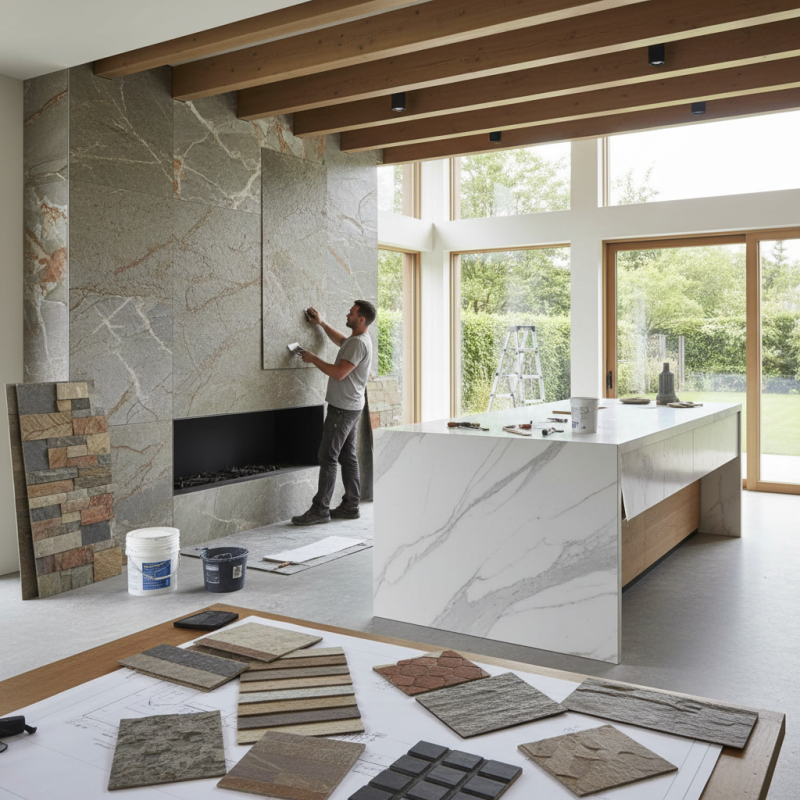
Flexible stone is becoming a popular choice in home projects for various compelling reasons. One major advantage is its lightweight nature. Traditional stone can be heavy and hard to install. Flexible stone, however, offers an easy-to-handle alternative. According to recent industry reports, flexible stone reduces installation time by up to 50%. This can lead to significant cost savings, particularly for large projects.
Another notable benefit is the versatility of flexible stone. It can be used for walls, countertops, and even flooring. Homeowners appreciate its ability to mimic the look of natural stone. This gives spaces an elegant finish without the associated weight. Additionally, it is resistant to moisture and UV rays, making it suitable for kitchens and outdoor areas. Furthermore, estimates show flexible stone can have a longer lifespan compared to traditional materials when cared for properly.
**Tip:** When choosing flexible stone, consider color coordination with your existing decor. This can elevate your design effortlessly.
**Tip:** Always test small samples in your space to see how they respond to lighting conditions. You may find unexpected results that warrant adjustment.
Lastly, while flexible stone is durable, improper installation can lead to issues down the line. The wrong adhesive or application technique may reduce its longevity. It's essential to follow guidelines for the best outcome.
Applications of Flexible Stone in Interior and Exterior Design
Flexible stone has emerged as a popular choice for various interior and exterior design applications. This innovative material offers the natural beauty of stone with enhanced adaptability and ease of installation. According to industry reports, demand for flexible stone has grown by over 40% in the last five years. This trend reflects the increasing interest in sustainable and versatile design options.
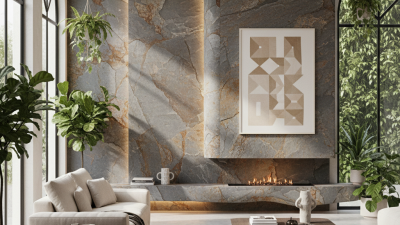
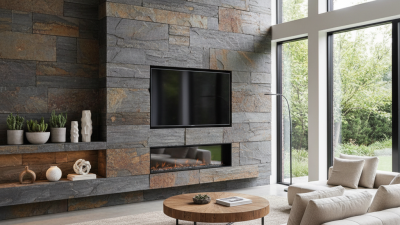
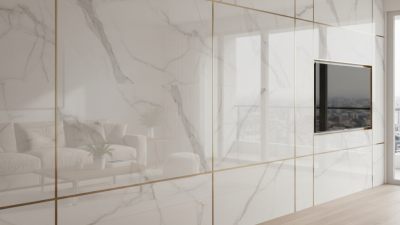
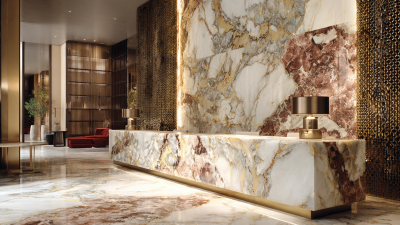
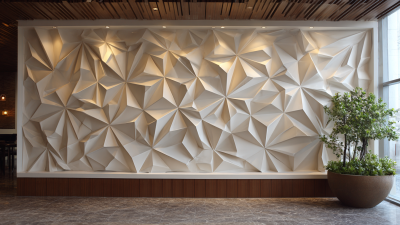
In interior spaces, flexible stone can be applied to walls, ceilings, and even furniture. Its lightweight nature allows for creative design solutions. You can mimic the look of heavy stone without compromising structural integrity. The material's variety includes finishes that resemble slate, marble, and other natural stones. Homeowners often love how it brings elegance to their spaces. It can transform a plain room into a sophisticated haven. Yet, one must consider potential installation challenges. The adhesive requirements and surface preparation could be tricky.
Regarding exterior applications, flexible stone proves just as effective. It's used for outdoor facades, patios, and even garden features. This durability is essential because exterior elements face harsher conditions. A report from the Architectural Institute noted that flexible stone retains its aesthetic appeal even after five years of exposure. However, improper sealing can lead to unforeseen issues. Acknowledging this possibility is crucial for achieving long-lasting results.
Applications of Flexible Stone in Interior and Exterior Design
Comparison of Flexible Stone with Traditional Stone Materials
When considering stone materials for home projects, flexible stone presents a compelling alternative to traditional options. Unlike rigid stones, flexible stone is lightweight and easy to handle. This feature makes installation simpler and less labor-intensive. It can be applied to curved surfaces and unconventional shapes, offering unique design opportunities that traditional stone cannot accommodate.
However, flexible stone does have its limitations. It may not have the same long-lasting durability as established natural stones. For high-traffic areas, this could pose potential concerns. Additionally, the aesthetic variations might not appeal to everyone. Some homeowners prefer the authentic look of traditional stone, which carries a certain gravitas.
Flexible stone's versatility can lead to innovative applications, such as accent walls or decorative elements. These opportunities can enhance home aesthetics significantly. Nonetheless, some may find that it lacks the robust, solid feel of traditional materials. Each choice has its own set of trade-offs, and personal preferences ultimately guide the decision-making process.
Why Choose Flexible Stone for Your Next Home Project?
| Feature |
Flexible Stone |
Traditional Stone |
| Weight |
Lightweight |
Heavy |
| Installation |
Quick and Easy |
Labor-Intensive |
| Flexibility |
Highly Flexible |
Rigid |
| Cost |
More Affordable |
Higher Cost |
| Durability |
Moderately Durable |
Highly Durable |
| Maintenance |
Low Maintenance |
Higher Maintenance |
Installation Process and Maintenance of Flexible Stone
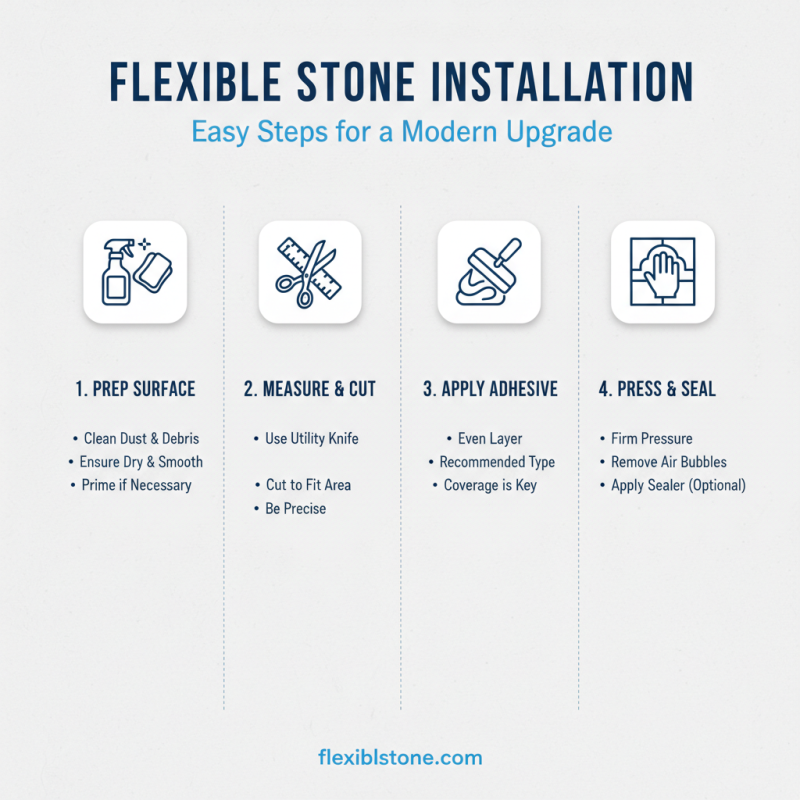
Flexible stone offers a unique alternative for home projects. Its installation process is relatively straightforward but requires careful attention. Begin by cleaning and preparing the surface. This ensures proper adhesion. Measure and cut the flexible stone to fit your desired area. Using a sharp utility knife can make this task easier, but take your time to ensure accuracy.
Applying adhesive is crucial. Spread it evenly across the surface. Press the flexible stone firmly into place. It's important to check for air bubbles as you go. They can lead to issues later on. After installation, allow adequate time for the adhesive to cure. Maintenance is uncomplicated. Regular cleaning with mild soap and water will help maintain its appearance.
However, some challenges may arise. The stone may fade in direct sunlight over time. This is something to consider if your project is outdoors. Another reflection point is ensuring proper sealing, especially in damp areas. Without proper sealing, moisture can lead to issues like mold. Planning and attention to detail can make a difference in the longevity of flexible stone in your home.
Cost-Effectiveness of Flexible Stone for Home Improvement Projects
When considering home improvement projects, flexible stone emerges as an attractive option. Its affordability makes it a strong contender for budget-conscious homeowners. Unlike traditional materials, flexible stone minimizes labor costs due to its lightweight characteristics. Installing it requires less effort, which is a significant factor for DIY enthusiasts. The ability to cut it easily saves time and resources, making it a practical choice.
Many homeowners appreciate the aesthetic value that flexible stone brings. It provides a natural look and texture, enhancing any space without a hefty price tag. However, it’s important to be aware that not all flexible stones are created equal. Some may not withstand extreme conditions as well as their rigid counterparts. This variation in quality means careful selection is crucial.
Lastly, while flexible stone reduces costs, neglecting installation quality can lead to issues later on. Improper application might result in peeling or fading over time. This aspect requires a thoughtful approach, ensuring that the overall project remains cost-effective in the long run. In essence, weighing immediate savings against potential challenges is vital for a successful home project.