When considering materials for construction, many opt for the Wpc Flat Panel. This innovative product combines the best of durability and aesthetics. Whether for flooring or walls, Wpc Flat Panels offer a unique solution that stands out.
Wpc Flat Panels are lightweight yet sturdy. They resist moisture, making them ideal for various environments. This feature alone can save you from frequent repairs. Imagine avoiding constant upkeep while maintaining a beautiful space. The panels also come in various designs, ensuring versatility for every project.
Choosing Wpc Flat Panels may seem simple, but it requires contemplation. You must consider cost, design, and long-term benefits. Not every project demands high-end materials, so reflect on your specific needs. For some, Wpc Flat Panels are the perfect fit, while others might prefer traditional options.
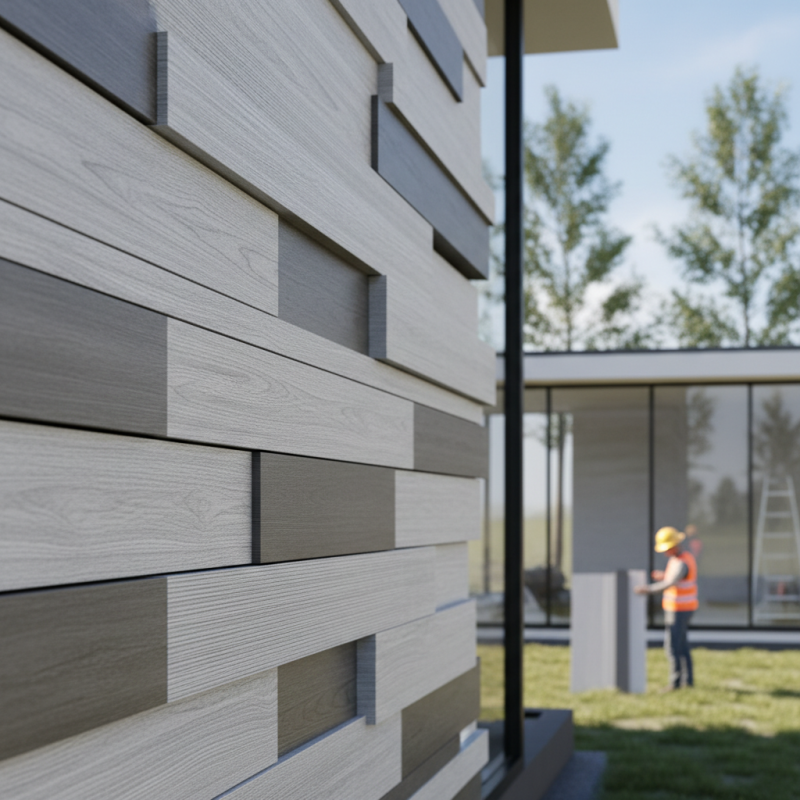
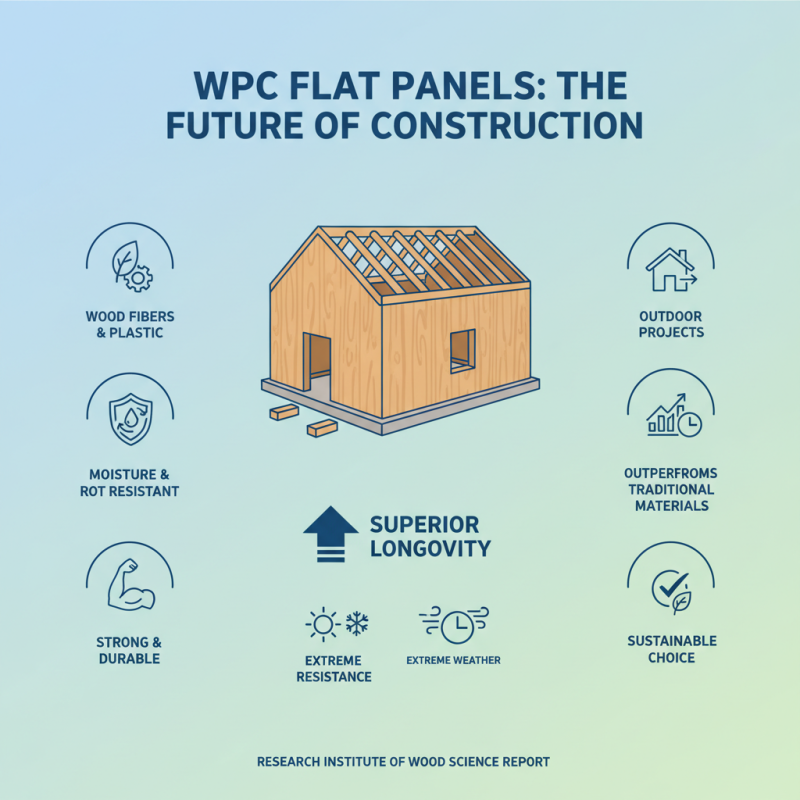
WPC flat panels are becoming popular in construction. These panels blend wood fibers and plastic. The result? A strong, durable material that resists moisture and rot. According to a report from the Research Institute of Wood Science, WPC products can outperform traditional materials in longevity. Their ability to withstand extreme weather conditions makes them ideal for outdoor projects.
One of the key benefits is the eco-friendliness of WPC. The material typically contains recycled content. This helps reduce waste in landfills. A survey conducted by the Building Research Establishment found that 75% of builders prefer sustainable materials. However, it is essential to ensure proper sourcing and processing to meet sustainability goals.
WPC flat panels also offer design flexibility. They can be easily molded into different shapes and sizes. This adaptability allows architects to explore innovative designs. Yet, not all WPC products hold up equally in aesthetics. Some may fade faster than expected. Attention to quality is crucial. Choosing the right vendor is not always straightforward. Making these decisions requires careful consideration.
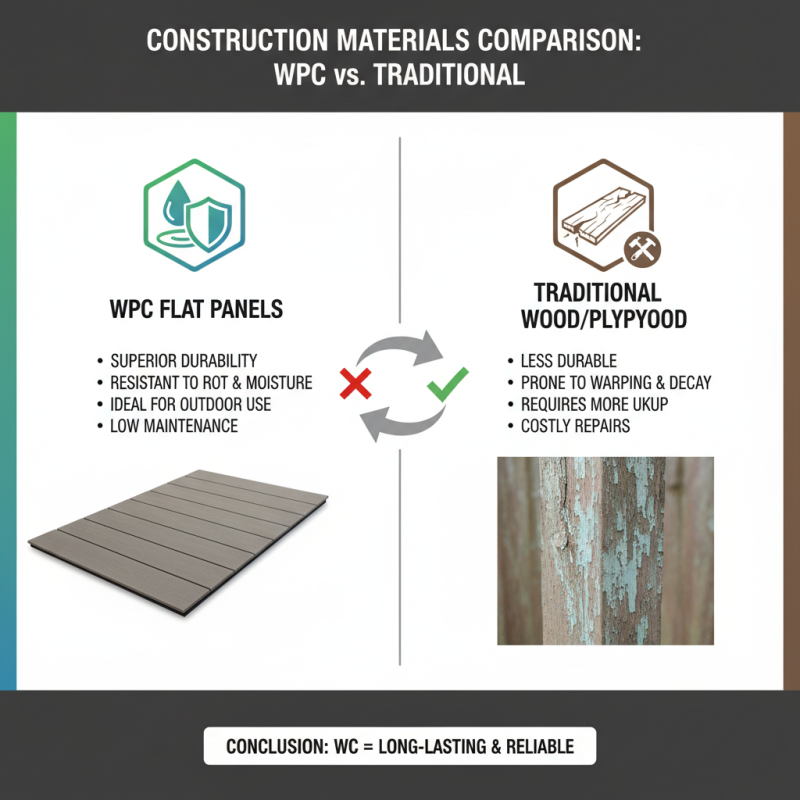
When it comes to selecting materials for construction and design, comparing WPC flat panels to traditional materials is crucial. WPC, or wood-plastic composite, presents several advantages over conventional wood or plywood. One significant factor is durability. WPC panels resist rot and moisture, making them ideal for outdoor use. Traditional wood, however, can warp or decay over time, leading to costly repairs.
However, it's important to consider the challenges. WPC can sometimes look less authentic than wood. Some users miss the natural grain and texture that wood provides. Also, WPC panels may require specific cutting tools. This adds complexity for builders accustomed to working with traditional materials. The weight can also be a concern; while lighter than some options, it still may not match the lightness of plywood.
In terms of pricing, WPC is often more economical in the long run. Reduced maintenance costs save homeowners money. Traditional materials may seem cheaper upfront but can incur higher costs due to upkeep. While the comparison reveals clear advantages, potential buyers should reflect on their priorities. Personal preferences in aesthetics and user experience play a vital role in choosing the right material.
WPC flat panels are an innovative choice for building design, especially regarding their environmental impact. These panels are made from a combination of wood fibers and recycled plastic. This unique blend reduces waste and minimizes the need for virgin materials. Buildings using WPC are often more sustainable.
Consider this: WPC panels can withstand harsh weather conditions, which leads to longer lifecycle use. However, their production process can still produce emissions. It is essential to evaluate where and how panels are sourced. Ensure that you choose products with minimal ecological footprints.
Tips for sustainable use of WPC flat panels include sourcing from reputable manufacturers. Research their commitment to sustainability. Also, think about local suppliers to reduce transportation emissions. You might find that some panels are made from more environmentally friendly sources. Always ask questions about the materials used in production. This diligence can make a significant difference in your project's overall environmental impact.
WPC flat panels are increasingly popular for construction and renovation projects. One significant advantage is their cost-effectiveness over time. A recent study indicated that WPC products can reduce maintenance costs by up to 30% compared to traditional materials. This is largely due to their durability and resistance to weather conditions, which minimizes the need for repairs.
In long-term projects, the savings become even more pronounced. Data shows that WPC flat panels have a lifespan of over 25 years, significantly lowering replacement expenses. Additionally, their lightweight nature can decrease installation costs. However, some users report challenges with consistency in color and texture. This may affect aesthetics in high-visibility areas.
Investing in WPC flat panels may require careful planning. The upfront cost can be comparable to other options, but the lower long-term costs generally offset this. A thorough evaluation is essential. Gather information about potential suppliers and market trends. Understanding your project's specific needs can lead to a successful outcome.
WPC flat panels offer incredible design flexibility. They can mimic the look of natural wood while providing durability. This blend of aesthetics and functionality makes them ideal for various projects. Whether you are designing a modern office or a cozy home, these panels adapt quickly to your vision. The versatility allows for unique patterns, colors, and finishes.
Tips: Consider your project's overall theme. Match the panel colors to existing décor. This will create a cohesive look that feels intentional.
One important aspect to remember is the installation process. It can be tricky if you are not experienced. Panels need careful handling to avoid damage. Make sure you have a clear plan before starting. Small mistakes can lead to frustration and extra costs.
Using WPC flat panels also opens opportunities for creativity. You can mix different textures and colors to enhance visual interest. Think about incorporating curves or asymmetrical designs for a contemporary flair. However, overdesigning can disrupt the flow. Finding balance is key.
| Feature | Description | Benefits |
|---|---|---|
| Material Composition | Made from a blend of wood fibers and plastic | Durable and resistant to moisture |
| Design Versatility | Available in various colors and finishes | Easy to match with different architectural styles |
| Ease of Installation | Lightweight and pre-fabricated panels | Saves time and labor costs |
| Maintenance Requirements | Minimal upkeep needed; resistant to fading | Cost-effective over time |
| Eco-Friendliness | Manufactured from recycled materials | Sustainable choice for environmentally-conscious projects |