2026 Best 5D Wall Panel Trends for Global Buyers?
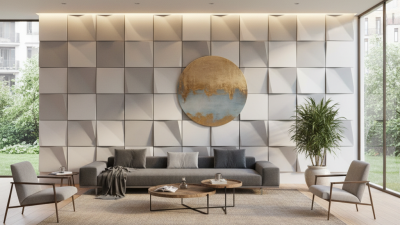
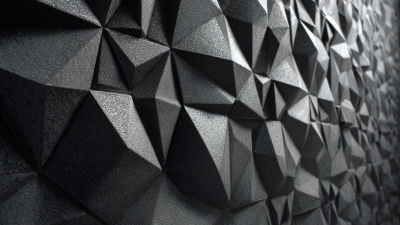
The world of interior design is evolving, and the "5D Wall Panel" is at the forefront of this revolution. Experts in the field, like renowned designer Alex Trenton, highlight its potential. He states, "5D Wall Panels transform spaces into immersive experiences." This innovation not only enhances aesthetics but also engages the senses.
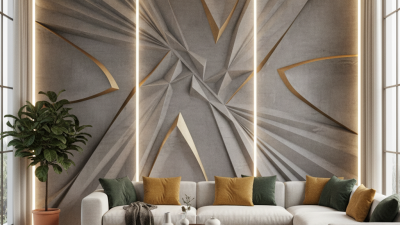
In recent years, global buyers have increasingly turned to these panels. They offer both style and functionality, making them a popular choice for modern interiors. The trend reflects a shift toward experiential design, where consumers seek more than simple decoration. Each panel, with its intricate textures and depth, invites interaction.
As we look ahead to 2026, awareness of the latest trends becomes essential. The market for 5D Wall Panels is expanding. However, some consumers may struggle with installation or maintenance complexities. These are aspects that require reflection. Embracing innovation often comes with challenges. Still, the allure of a beautifully designed space makes it worth exploring this exciting trend.
Emerging Materials and Technologies in 5D Wall Panel Design
The 5D wall panel market is evolving rapidly, influenced by emerging materials and technologies. According to a recent industry report by
MarketsandMarkets, the global 5D wall panel market is projected to reach USD 2.5 billion by 2026, reflecting a compound annual growth rate of 8.5%.
This growth signals a shift towards innovative materials that offer enhanced durability and aesthetic appeal.
New materials, such as eco-friendly composites and advanced polymer blends, are making waves. These materials not only enhance the visual depth but also improve sustainability.
For instance, using recycled materials can reduce carbon footprints significantly. Technology advancements, like 3D printing, allow for customization and intricate designs previously deemed impossible.
Tip: When selecting 5D wall panels, consider both aesthetics and environmental impact. Sustainable options can elevate your space while benefiting the planet.
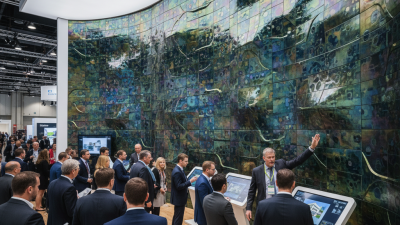
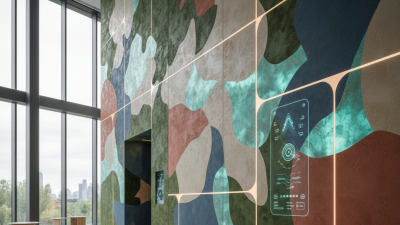
The integration of smart technology is also emerging. Panels can now include features like integrated LED lighting or sound insulation.
These enhancements can transform the utility of spaces, making them more functional. However, the challenge remains in balancing innovation and cost.
Tip: Always assess the practicality of advanced features in your design. More isn’t always better. Focus on what aligns with your vision and budget.
Innovative Aesthetics: Color and Texture Trends for 2026
In 2026, innovative aesthetics in 5D wall panels are set to redefine interior design. Color and texture will play a pivotal role in this transformation. Forecasts indicate that 75% of designers will prioritize sustainability. Materials are increasingly eco-friendly, aligning with modern values. This trend will enhance the appeal and durability of 5D wall panels.
Texture will become a focal point. Reports show a rising demand for tactile surfaces, with 65% of consumers preferring textured designs. Choices range from subtle ripples to bold geometric patterns. These elements invite interaction, creating immersive environments. However, not all textures translate well across different applications. Designers must balance aesthetics with practicality.
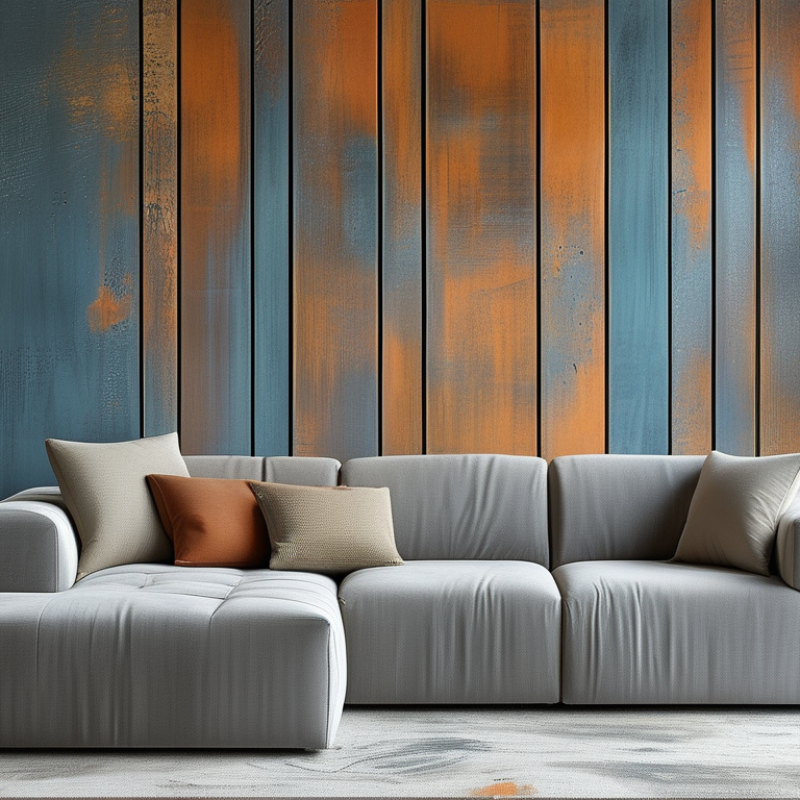
Color dynamics are also evolving. Neutral shades dominate, yet vibrant accents are gaining traction. 2026 may see a mix of natural and synthetic colors that reflect global cultures. Yet, too much vibrancy can overwhelm spaces. Designers must navigate this tightrope carefully. Each choice impacts mood and functionality, requiring thoughtful deliberation.
Sustainability in 5D Wall Panels: Eco-Friendly Choices for Buyers
Sustainability is a pressing concern in interior design. The rise of 5D wall panels reflects this shift towards eco-friendly choices. According to recent industry reports, eco-friendly wall panels now represent over 30% of the market. Buyers are increasingly valuing materials that minimize environmental impact.
Many 5D wall panels are made from recycled materials. For example, using post-consumer waste in production reduces landfill. These panels often feature low-VOC paints, ensuring better air quality indoors. Choosing panels that use sustainable sourcing practices can significantly lower your carbon footprint.
Tip: Always look for certifications like FSC or LEED when selecting wall panels.
With growing awareness, some designs focus on natural aesthetics. Panels that mimic stone or wood create a warm ambiance without contributing to deforestation. However, not all products labeled as “eco-friendly” are equal. Scrutinizing product documentation helps ensure genuine sustainability.
Tip: Conduct research and request eco-certifications from manufacturers to verify their claims.
As consumers push for eco-conscious designs, manufacturers must adapt. Rethinking materials and production methods is essential. It’s a challenging yet necessary evolution for the industry. Sustainability should remain a priority for buyers looking to make informed decisions.
Functional Benefits: Soundproofing and Insulation Features in 5D Panels
5D wall panels are gaining popularity, particularly for their soundproofing and insulation capabilities. Industry reports indicate that over 40% of buyers prioritize acoustic performance. These panels are effective at reducing noise levels, making spaces more tranquil. In residential areas, the need for quieter environments drives this demand.
Soundproofing features in 5D panels help block outside noise. They can be particularly useful in urban settings, where traffic and construction sounds are constant. Research shows that proper insulation can reduce energy costs by up to 30%. This makes 5D panels not just a stylish choice but also a practical one.
Tips: Consider the panel thickness when choosing for optimal sound insulation. Thicker panels usually provide better noise reduction. Ensure to verify the product specifications for sound absorption ratings. Regularly check the installation to maintain performance; improper sealing can lead to sound leakage.
Global Market Insights: Key Players and Regional Trends in 5D Panels
The global market for 5D wall panels is increasingly vibrant. Key players in this industry are focusing on sustainable materials and innovative designs. According to a recent market report, the 5D wall panel market is projected to grow at a CAGR of 6.5% from 2022 to 2030. This growth signifies a shift towards personalization in interior designs.
Regional trends show that North America and Asia-Pacific are considered hotspots for 5D panel adoption. This is driven by rising disposable incomes and demand for modern aesthetics in homes and commercial spaces. In Europe, the focus is shifting to eco-friendly options, influencing buyers' purchasing decisions. Awareness of environmental impact is pushing industries to innovate.
Tip: When exploring 5D panel options, consider local supplier reviews to gauge reliability. Always look for certifications that indicate sustainability. Lastly, keep abreast of design trends to ensure that your choices resonate with contemporary styles. These factors could greatly impact your satisfaction with the final product.
2026 Best 5D Wall Panel Trends for Global Buyers