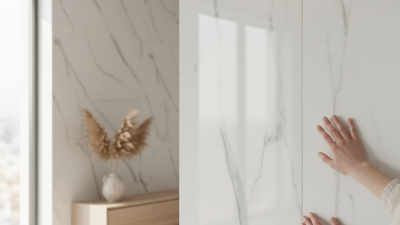
As we look toward 2026, the world of Interior Design continues to evolve. Renowned designer Kelly Wearstler states, "Design is about bringing the unexpected into the familiar." This philosophy will shape trends for global buyers seeking unique and functional spaces.
Emerging themes include sustainable materials and biophilic design. Homeowners are increasingly prioritizing eco-friendly options. In urban areas, integrating nature into interiors is gaining popularity. This trend reflects a growing awareness of our environment.
Moreover, personalization is becoming vital. Buyers want spaces that tell their stories. They seek a blend of comfort and style. However, achieving harmony in design can be challenging. It requires careful consideration and a keen eye for detail. Embracing imperfections may lead to more individualized and meaningful homes.
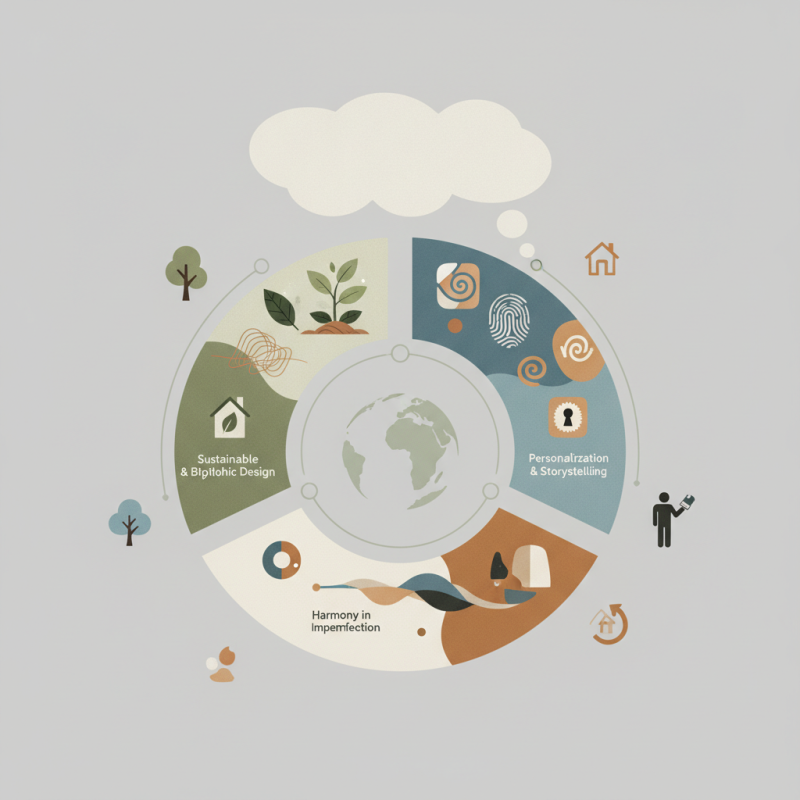
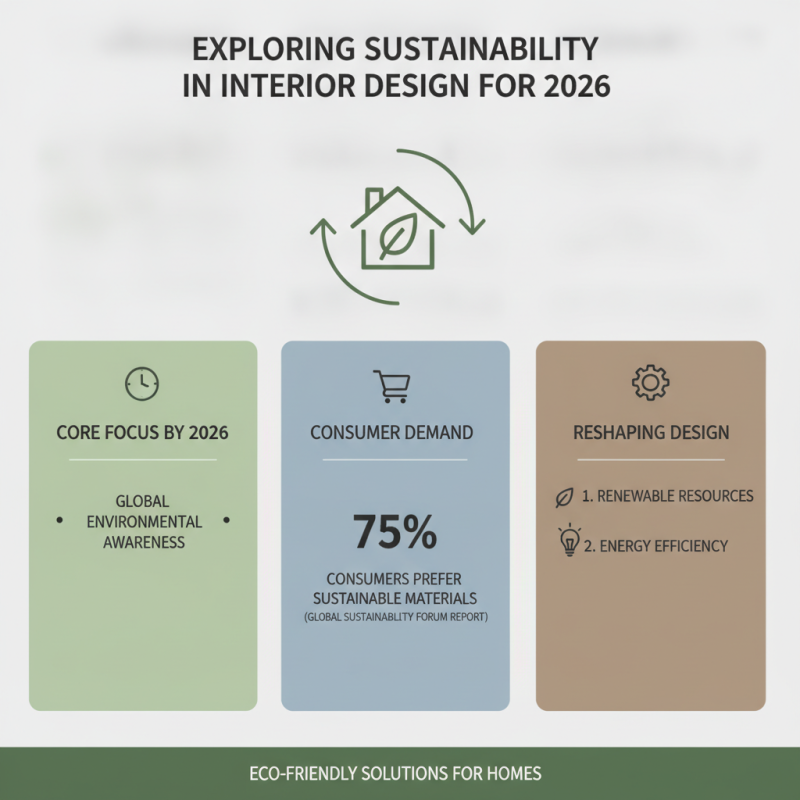
Sustainability will be a core focus in interior design by 2026. As global awareness of environmental issues increases, buyers are seeking eco-friendly solutions. A report from the Global Sustainability Forum indicates that 75% of consumers prefer sustainable materials in their homes. This trend is reshaping design choices, pushing companies to prioritize renewable resources and energy efficiency.
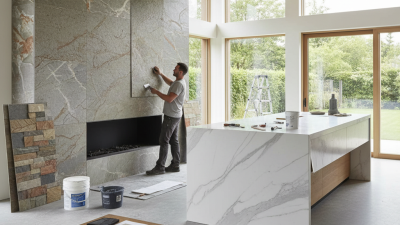
Natural materials are gaining traction. Designers are exploring bamboo, reclaimed wood, and recycled metals. These materials not only reduce environmental impact but also add unique aesthetics to spaces. However, the challenge remains in sourcing these materials responsibly. The high demand can sometimes lead to unsustainable practices. A careful balance must be struck to maintain integrity in sourcing.
Innovative technology is also vital. There’s a growing interest in smart home systems that enhance energy efficiency. Statistics show smart homes can reduce energy bills by up to 30%. Yet, the integration of technology should feel seamless, not intrusive. The design community must address potential overreliance on gadgets, ensuring human connection is prioritized in these spaces.
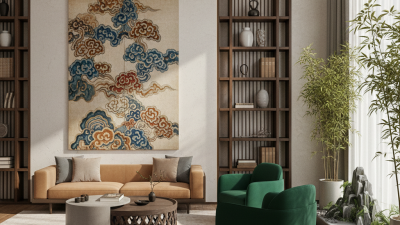
Biophilic design is transforming interior spaces by reconnecting us with nature. This trend emphasizes natural materials, greenery, and light. Houses are becoming more vibrant and lively with the introduction of plants. Imagine a living room adorned with lush foliage, bringing serenity and freshness. Such elements not only beautify spaces but also improve air quality.
Natural light plays a crucial role in biophilic design. Large windows and strategic openings allow sunlight to pour in, creating cheerful, welcoming environments. However, achieving the right balance can be challenging. Too much sunlight can cause glare and heat, while too little can make spaces feel closed off. The key lies in thoughtful placement and careful selection of window treatments.
Textures inspired by nature also enhance interiors. Wooden finishes and stone accents bring a tactile experience. These materials invite warmth and comfort. Yet, it’s important to use them judiciously. Overuse can lead to a cluttered appearance. Each element should serve a purpose and contribute to a calm atmosphere. Embracing biophilic design means finding harmony between nature and indoor living.
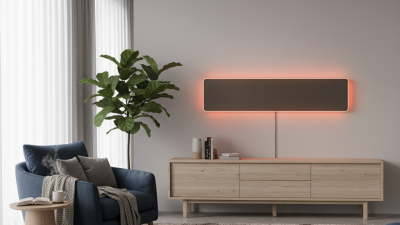
Smart home technology is reshaping modern interiors. It seamlessly integrates comfort with a high-tech lifestyle. Voice-activated assistants control lighting and temperature, enhancing convenience. Homeowners can customize environments effortlessly, making spaces truly personal.
One significant trend in 2026 involves the use of smart materials. For example, windows that tint based on sunlight can reduce energy costs. Smart appliances are also on the rise. These devices optimize resources, making your kitchen more efficient. However, not everyone finds these technologies intuitive. Sometimes, the learning curve can be frustrating.
Tips: Start small with smart devices. Choose a single area to automate. Test how the technology fits your routine. Ensure your Wi-Fi signal is strong for connected devices. Regularly update software to maintain security. Don't hesitate to seek tech support; it can make a difference. Consider how these technologies impact your space. They should enhance your lifestyle without overwhelming it. Balancing tech and design is key to achieving a harmonious home.
As we approach 2026, color palettes are taking center stage in interior design. According to the Color Marketing Group, colors that evoke calmness and connection will dominate. Soft earth tones, blended with pops of muted jewel colors, are expected to shape the aesthetic of modern homes. These hues reflect societal shifts towards sustainability and emotional well-being.
One key trend is the rise of warm neutrals. These tones create a cozy and inviting atmosphere. They are perfect for creating serene spaces in an increasingly chaotic world. In contrast, bold accents in deep greens or serene blues can elevate the overall look. A survey by the International Design Association indicates that 72% of homeowners gravitate towards organic colors that evoke nature.
Tips for selecting colors: Always test samples in different lighting. Colors can shift dramatically based on the time of day. Don’t be afraid to mix warm and cool tones. This can add depth and interest to your spaces. Finally, consider your lifestyle. Choose hues that reflect your personality and daily life. Reflect on what makes you feel comfortable and inspired.
| Trend | Color Palette | Key Elements | Usage Context |
|---|---|---|---|
| Sustainable Design | Earthy tones, greens, soft neutrals | Natural materials, recycled elements | Residential, commercial, eco-friendly spaces |
| Minimalism with Warmth | Soft whites, warm greys, pastel shades | Clean lines, functional furniture | Urban living spaces, offices |
| Biophilic Design | Lush greens, vibrant blues, natural browns | Plants, water features, nature-inspired textures | Residential homes, wellness centers |
| Vintage Revival | Rich jewel tones, muted retro hues | Antique furniture, retro patterns | Residential, cafes, boutique hotels |
| Tech-Integrated Spaces | Cool greys, blacks, tech-inspired neon | Smart home devices, interactive designs | Modern homes, offices, smart workspaces |
In 2026, global cultural influences are shaping interior design styles more than ever. As societies evolve, so do their aesthetics and values. Designers are increasingly drawing inspiration from diverse cultures, merging traditional elements with modern functionality. This fusion creates unique environments that reflect the stories of their inhabitants.
Consider incorporating textiles from different cultures. A Moroccan rug can add warmth and texture to a minimalist space. Similarly, Japanese elements such as shoji screens create a calming atmosphere. Think about how these pieces can tell a story about your journey and appreciation for global artistry.
Colors play a vital role in this trend as well. Warm earth tones inspired by Mediterranean landscapes or cool blues reminiscent of Scandinavian seas can evoke feelings of comfort and peace. However, mixing too many elements can lead to chaos. Reflect on the balance of your space. Strive for a thoughtful integration of styles that harmonizes different influences while still representing your personal taste.