2026 Top Sound Absorbing Panel Buying Guide for Global Buyers?
In today's fast-paced world, noise pollution is a rising concern. As many seek a tranquil environment, the demand for effective solutions like the Sound Absorbing Panel has surged. According to industry expert Dr. Emily Sanders, "Investing in sound absorbing solutions can drastically improve one’s quality of life." This statement underscores the significance of choosing the right panel for specific needs.
Sound Absorbing Panels come in various designs and materials. It can be overwhelming for buyers navigating this diverse market. Factors like installation, aesthetics, and absorption coefficients are critical to consider. Each choice impacts sound quality and overall ambiance.
The year 2026 presents unique challenges and opportunities in this arena. With advancements in technology, potential buyers must stay informed. Educated decisions are vital for maximizing the benefits of Sound Absorbing Panels. Reflections on past choices can also guide future purchases. Understanding failures or successes with previous products can lead to better choices. This buying guide aims to equip global buyers with essential knowledge for a wise investment.
Understanding Sound Absorbing Panels: Types and Materials
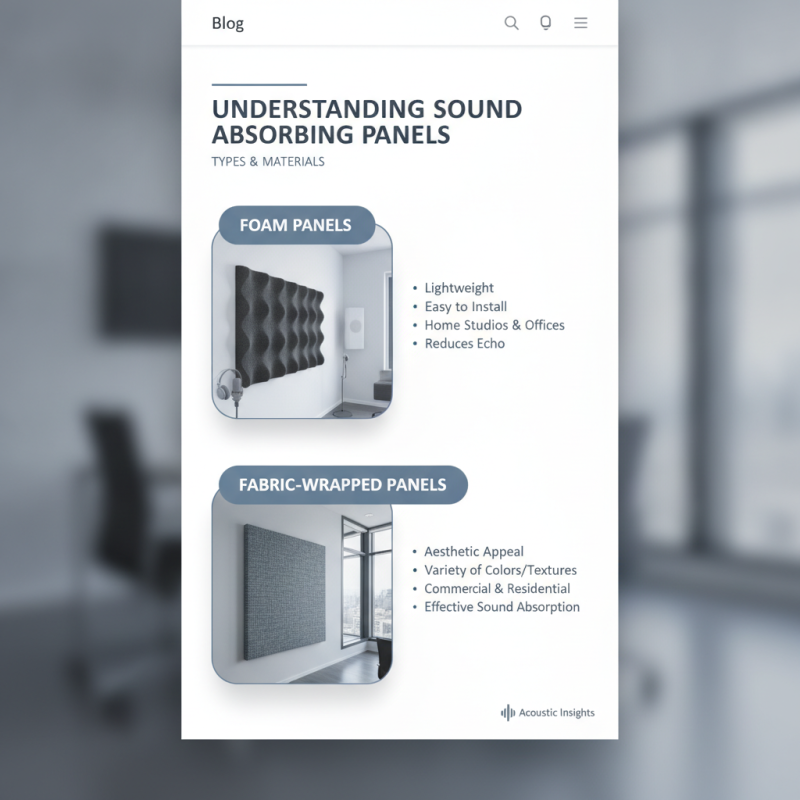
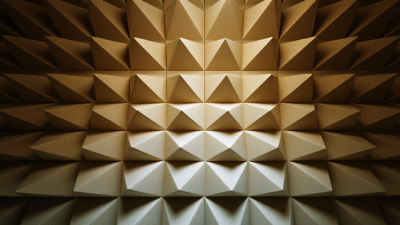
When considering sound absorbing panels, understanding their types and materials is vital. These panels come in various designs, each suited for different acoustic needs. Foam panels are popular for their lightweight and ease of installation. They work well in home studios and offices. Conversely, fabric-wrapped panels offer a more aesthetic appeal while effectively reducing echo.
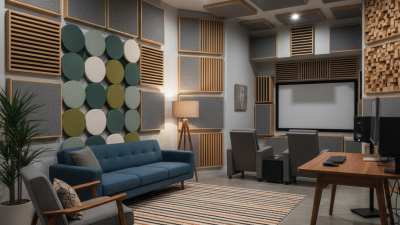
Wooden panels can add a stylish touch. They not only absorb sound but also enhance the aesthetics of a space. The choice of material influences not just sound absorption but also durability and maintenance. Some materials might fade over time, losing their effectiveness. This is worth pondering during selection.
Tips: Measure your space accurately. Ensure the panels will fit and handle the acoustic challenges you face. Research the density of the materials. Higher density usually means better sound absorption. Don't overlook the importance of installation. Even the best panels can fail without proper placement. Regularly assess their effectiveness to see if adjustments are needed.
Key Factors to Consider When Buying Sound Absorbing Panels
When choosing sound absorbing panels, several key factors come into play. Acoustic performance is paramount. A recent industry report indicates that panels with a Noise Reduction Coefficient (NRC) rating above 0.75 significantly reduce echoes and improve sound quality. Ensuring you select panels that meet your specific environment's sound absorption needs is crucial.
Material type also matters. Popular materials include fiberglass, foam, and wood. Each material has unique absorption characteristics. For instance, fiberglass panels tend to offer superior sound absorption in lower frequencies. However, they can be more expensive. A report by the Acoustical Society of America advises buyers to consider the environment and aesthetic needs when selecting materials.
Installation is another key factor. Some panels allow for easy DIY installation, while others may require professional help. This can impact overall cost and practicality. A poorly installed panel can hinder performance, leading to wasted resources. Today, 30% of users report dissatisfaction due to incorrect installation. Think carefully about your skills and the space to ensure satisfactory results.
2026 Sound Absorbing Panels Comparison
Top Brands and Products for Sound Absorbing Panels in 2026
In 2026, the demand for sound-absorbing panels is expected to surge. According to recent industry reports, the market is projected to reach USD 2.5 billion globally. This rise is driven by increased awareness of acoustics in various environments, from offices to educational institutions. Many companies are now prioritizing soundproofing to improve productivity and learning experiences.
Top products focus on innovative materials that enhance absorption while maintaining aesthetic appeal. Research indicates that panels made from polyester and acoustical foam provide exceptional results. These materials offer high Noise Reduction Coefficients (NRC), proving effective in reducing unwanted sound. In commercial spaces, the effectiveness can increase employee satisfaction significantly.
However, buyers face challenges in choosing the right panel type. Different spaces require unique solutions. For instance, a small conference room may need thicker panels to mitigate echo while larger spaces can benefit from strategically placed panels. This complexity can lead to confusion for many buyers. Balancing cost and quality is crucial but challenging.
Installation Tips for Maximizing Sound Absorption Efficiency
Installing sound-absorbing panels effectively can transform any space. It’s crucial to consider the room’s layout. Identify areas where sound reflection occurs, especially near hard surfaces. These spots are typically where sound waves bounce around. Positioning panels in these areas can significantly enhance absorption.
Consider the height at which you install the panels. Placing them at ear level typically yields the best results for conversational spaces. However, in larger areas, such as auditoriums, higher placements can capture frequencies better. Sometimes, you may start with them too low and realize it doesn’t work. Evaluating your results is key.
Don’t forget about the spacing between panels. Too close and you might not achieve the desired effect. Too far apart can lead to gaps in absorption. Balancing aesthetics and functionality can be challenging. It’s okay to experiment and make adjustments as needed. Soundproofing is not an exact science; flexibility is essential in finding what works best for your space.
Maintenance and Care for Long-lasting Sound Absorbing Panels
Maintaining sound absorbing panels can significantly extend their lifespan. Regular cleaning is essential. Dust and debris can accumulate, reducing their effectiveness. Use a soft cloth or vacuum cleaner with a brush attachment to keep them clean. Avoid harsh chemicals, as they may degrade the material.
Humidity levels also play a crucial role. Panels should not be exposed to excessive moisture. High humidity can lead to mold growth, damaging both appearance and functionality. Aim to keep the relative humidity between 30% and 50%. This ensures optimal performance and durability.
Professionals recommend periodic inspections. Check for any signs of wear and tear. Panels may become less effective over time. According to industry reports, well-maintained panels can last up to 15 years or longer, while neglected ones may need replacement in as little as 5 years. Prioritizing maintenance is not just an option; it’s a necessity.
2026 Top Sound Absorbing Panel Buying Guide for Global Buyers
| Material |
NRC Rating |
Thickness (inches) |
Price Range (per sq ft) |
Maintenance Tips |
| Fabric Wrapped Panels |
0.85 |
2 |
$20 - $40 |
Dust with a soft cloth; avoid water damage. |
| Foam Panels |
0.95 |
1 |
$10 - $25 |
Clean with vacuum; check for wear. |
| Wood Fiber Panels |
0.80 |
1.5 |
$15 - $30 |
Wipe with damp cloth; avoid excess moisture. |
| Mineral Wool Panels |
0.90 |
2.5 |
$25 - $50 |
Regularly inspect for sagging; maintain ventilation. |