2026 Top Trends in 3D Wall Panel Design for Home Decoration?
In the ever-evolving field of home decoration, 3D wall panels have emerged as a significant trend. John Mason, a renowned expert in interior design, highlights their impact: “3D wall panels transform spaces with depth and texture.” This statement underscores the growing appreciation for these elements in creating dynamic interiors.
As we look ahead to 2026, design innovations in 3D wall panels are shaping residential spaces. Homeowners seek unique aesthetics, blending functionality with artistry. The tactile quality of these panels invites touch, encouraging a closer connection to our environments. Yet, with rising trends, questions arise about sustainability and practicality in diverse settings.
Exploring the latest trends in 3D wall panel design offers both excitement and reflection. Are we prioritizing style over ecological impact? As we embrace cutting-edge designs, it’s crucial to consider balance. Ultimately, the key lies in harmonizing creativity with conscious choices, ensuring 3D wall panels enhance home decor while respecting our planet.
Emergence of Sustainable Materials in 3D Wall Panel Design
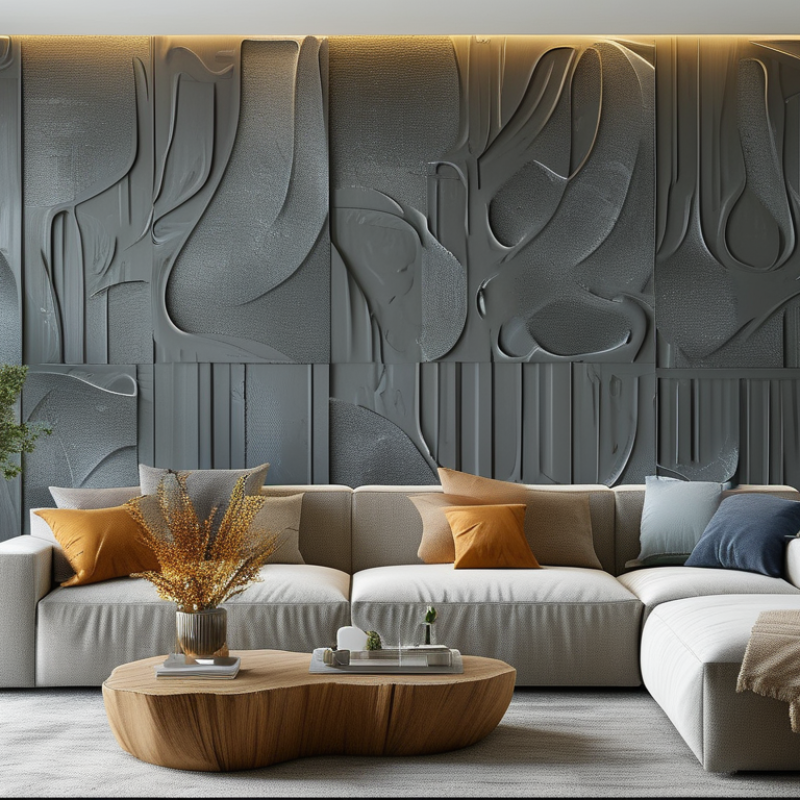
Sustainable materials are becoming critical in 3D wall panel design. Home decorators are seeking eco-friendly solutions that not only look stunning but also help the environment. Recycled materials, bamboo, and natural fibers are gaining popularity. These options reduce waste and lower the carbon footprint of home decoration projects. Designers often highlight how these materials bring warmth and character to spaces.
When choosing sustainable panels, consider durability and aesthetics. It's important to understand how the materials will hold up over time. Not all sustainable options are created equal. Some might require more maintenance, while others could be more cost-effective in the long run. Assess the environmental impact of production methods.
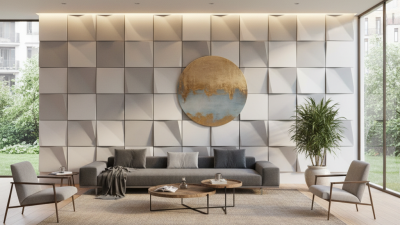
Tips for incorporating 3D wall panels include starting with a statement wall. Use panels in living rooms or entrance areas to create a focal point. Mix textures to add depth and interest. This can make your space more inviting. Finally, always research suppliers. Ensure they adhere to sustainability practices and ethical sourcing. This choice not only benefits your home but also supports a larger movement toward environmental responsibility.
2026 Top Trends in 3D Wall Panel Design for Home Decoration
| Trend |
Description |
Material Type |
Sustainability Factor |
| Biodegradable Panels |
Panels made from organic materials that decompose naturally. |
Plant-based composites |
100% biodegradable |
| Recycled 3D Panels |
Utilizing post-consumer waste to create stylish wall panels. |
Recycled plastics and metals |
Significantly reduces waste |
| Smart 3D Panels |
Panels integrated with technology for smart home features. |
Composite materials with electronics |
Enhanced energy efficiency |
| Natural Fiber Panels |
Panels produced from renewable fibers such as bamboo and cork. |
Bamboo, cork, jute |
Renewable resource |
| Eco-Friendly Finishes |
Using non-toxic, sustainable finishes on panels. |
Water-based paints and sealants |
Low environmental impact |
Innovative Textures and Patterns Transforming Home Interiors
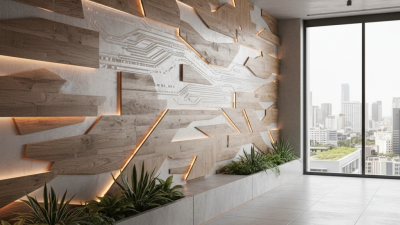
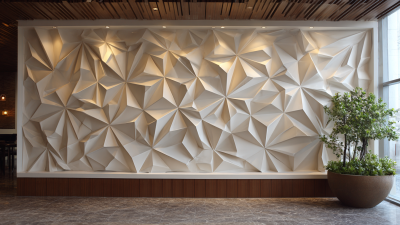
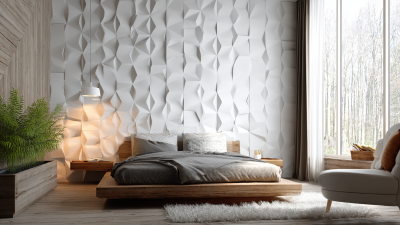
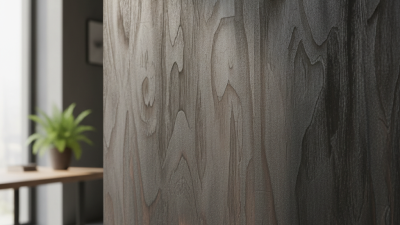
In 2026, 3D wall panel designs are set to elevate home interiors. Innovative textures and patterns play a crucial role in transforming living spaces. Homeowners seek unique, immersive designs that inspire creativity. Textured surfaces like geometric shapes or organic patterns create visual depth. These elements invite touch and engagement, breaking the monotony of flat walls.
Recent trends show a shift toward sustainable materials. Natural finishes resonate well with environmentally conscious consumers. However, achieving durability while maintaining an organic look may still challenge designers. It's important to balance aesthetics with functionality. The interplay of rough textures and smooth finishes introduces a captivating contrast. This balance can be tricky to master.
Patterns such as waves or hexagons captivate the eye and can evoke different feelings. Yet, some may feel overwhelmed by bold choices. Striking harmony in bold patterns is crucial. Finding a balance between adventurous designs and personal comfort remains essential. Exploring these innovative textures and patterns offers a pathway to reimagine home interiors.
Integration of Smart Technology in 3D Wall Panels
The integration of smart technology in 3D wall panel design is revolutionizing home decor. Homeowners are increasingly prioritizing aesthetics alongside functionality. According to a recent report by Research and Markets, the smart home technology market is projected to reach $174 billion by 2025. This growth is influencing how wall panels are designed and utilized.
Imagine 3D wall panels that not only enhance the visual appeal of a room but also integrate smart controls. Features like built-in LED lighting, sound systems, and temperature regulation can be seamlessly incorporated. These innovations create a dynamic environment that adapts to user preferences. However, the challenge lies in balancing technology with artistic expression. Too much tech could overshadow the design's beauty.
Tips: Incorporate smart panels in spaces where you spend the most time. Think about using sensor lighting for ambiance. Consider taking a minimalist approach. Technology should enhance, not dominate your design.
As the demand for smart wall panels increases, sustainability remains a concern. Many materials used in production are not eco-friendly. Designers must reflect on how their choices impact the environment. Exploring recycled materials can lead to innovative solutions. Ultimately, the future of 3D wall panels lies in creating a harmony between design sophistication and smart technology.
Customization Trends: Personalized 3D Wall Panel Solutions
Personalization is transforming the world of 3D wall panel design in 2026. More homeowners seek unique solutions that reflect their tastes and lifestyles. A recent study revealed that 70% of consumers prefer customizable options in home décor. This trend stems from a desire for authenticity and individuality in living spaces.
Creating personalized 3D wall panels means considering various factors. Color schemes, textures, and patterns all play a crucial role in establishing a distinct atmosphere. Many designers now offer digital previews to help clients visualize their custom designs. This approach fosters collaboration and ensures that the final product meets their expectations.
Tip: Engage with professionals who specialize in personalized designs. Their expertise can guide you in selecting materials that match your vision. Higher quality materials enhance durability and aesthetics.
The evolution of customization does not come without challenges. Balancing creativity with practicality is essential. Some extreme designs may not work in all spaces. Homeowners should consider room size and lighting when selecting bold panel designs.
Tip: Always ask for samples before making a commitment. Touch and observe how the panel will look in your space. This process helps avoid costly mistakes.
With these trends shaping the industry, tailored 3D wall panels are set to make a significant impact in home design.
Color Trends: Influencing Mood and Aesthetics in Wall Design
When it comes to 3D wall panel design, colors play a crucial role. The right colors can transform a room's mood. For instance, soft blues and greens can evoke calmness, while vibrant reds and yellows spark energy. Consider how different shades interact with lighting to enhance or diminish their effects. This year, earthy tones are trending. They promote a connection to nature and comfort.
Tips: Experiment with small samples before committing to a color. Test how they look in various lighting throughout the day. Don’t be afraid to mix shades. Layering colors can create depth.
In wall design, the choice of color reflects personality and style. However, some trends may not fit all spaces. A bold color in a small room can make it feel cramped. In contrast, muted tones can offer an expansive feel. Embrace the imperfections. Sometimes, a color that seemed perfect yesterday may look dull today. Regularly refresh the palette to keep the space inviting and lively.
2026 Top Trends in 3D Wall Panel Design for Home Decoration