Inquiry
Form loading...

Top 10 Benefits of Using Flexible Stone in Construction?

In recent years, the construction industry has seen a significant shift towards innovative materials. One of the most promising options is Flexible Stone. Experts agree on its numerous benefits. "Flexible Stone redefines the possibilities of design and durability," says Dr. Emily Harrison, a leading material scientist in the field.

Flexible Stone provides unmatched versatility. It can adapt to various surfaces and shapes. Architects appreciate its lightweight nature, making it easy to install. This adaptability also leads to cost savings in transportation and labor. Additionally, its aesthetic appeal can enhance any project, whether residential or commercial.

However, not every builder is sold on using Flexible Stone. Some express concerns about its long-term durability and maintenance. It's essential to weigh these challenges against the benefits it brings. As the industry evolves, Flexible Stone could play a significant role in shaping future construction practices.
Top 10 Benefits of Using Flexible Stone in Construction?

Advantages of Flexible Stone Over Traditional Materials

Flexible stone is gaining popularity in construction due to its unique advantages. Unlike traditional materials, it offers remarkable versatility. Flexible stone can easily conform to different shapes and surfaces. This flexibility allows for innovative designs that are often challenging with rigid materials. Architects and designers appreciate this adaptability. They can create intricate patterns and textures that enhance aesthetic appeal.

The weight of flexible stone is another significant benefit. It is lighter than traditional stone. This characteristic simplifies the handling and installation processes. Workers can efficiently transport and install flexible stone without heavy machinery. Additionally, its durability is impressive. It withstands environmental stressors, including extreme weather. Yet, it's essential to ensure proper installation to leverage these benefits fully. Even with their advantages, flexible stones require careful handling to prevent improper installation issues.

Maintenance is often neglected but crucial for longevity. While flexible stone is durable, it may still need periodic attention. Regular cleaning and checks can prevent potential damage. A proactive approach ensures the material performs well over time. Overall, while flexible stone has many advantages, construction professionals must remain vigilant about installation and maintenance practices.

Enhanced Durability and Resistance in Various Environments

In construction, enhanced durability is crucial. Flexible stone offers impressive resistance to harsh environments. It withstands extreme temperatures and weather conditions. This quality is essential for both indoor and outdoor applications. For instance, it can resist frost in cold climates and UV rays in sunny areas.

Another notable feature is its ability to handle moisture. This flexibility prevents cracking and mold growth in damp locations. Professionals appreciate its lightweight nature, making installation easier and safer. Projects can be completed faster, saving valuable time and resources. While it’s not immune to damage, its overall resilience stands out.

Flexibility also plays a significant role in design. Architects often experiment with shapes and textures that rigid materials can’t achieve. This creative freedom can lead to innovative structures that captivate the eye. However, striking the right balance between aesthetics and functionality remains a challenge. Experimentation is essential to harness the full potential of flexible stone.

Lightweight Nature and Its Impact on Structural Design

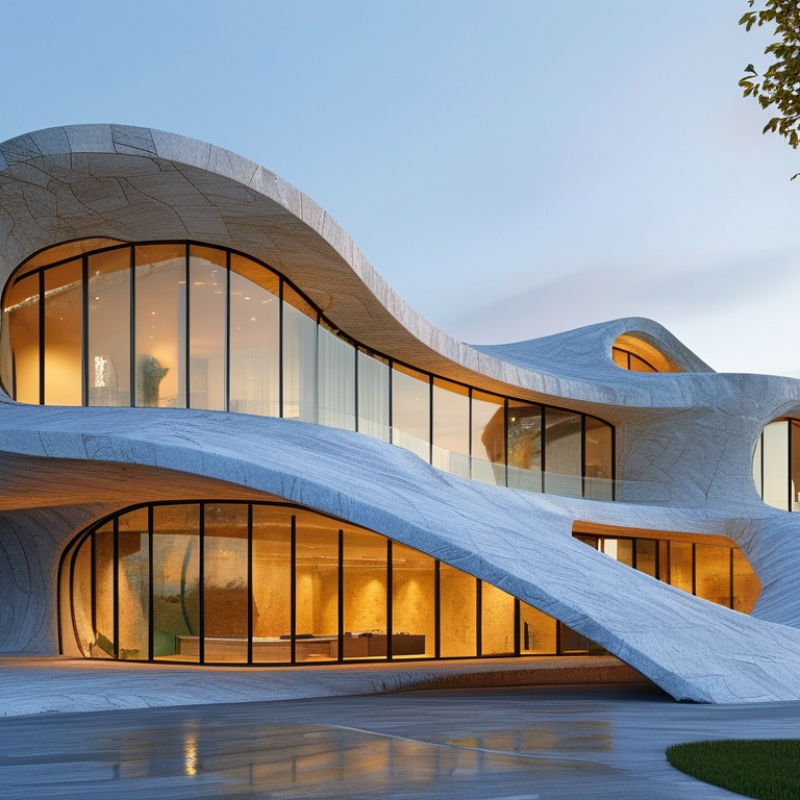
The lightweight nature of flexible stone plays a significant role in modern structural design. Its reduced weight compared to traditional materials allows for innovative and creative architectural choices. Builders can utilize flexible stone in a variety of ways, enhancing both aesthetics and functionality. Structures can be designed to incorporate sweeping curves and unique shapes easily, opening new avenues for artistic expression.

When incorporating flexible stone, it’s essential to consider load-bearing implications. While its lighter weight is advantageous, it may require adjustments in the structural framework. Ensure that foundations and supports are adequately designed to handle any dynamic loads. This can lead to thoughtful conversations about balancing beauty with structural integrity.

Tips: Always consult with structural engineers when planning designs with flexible stone. Verify the material's compatibility with local building codes. Experiment with different installation techniques to maximize the benefits. It's invaluable to learn from past projects, identifying areas for improvement to elevate future designs.

Top 10 Benefits of Using Flexible Stone in Construction

This chart illustrates the top 10 benefits of using flexible stone in construction, highlighting its lightweight nature and impact on structural design. The benefits include durability, aesthetic appeal, ease of installation, thermal insulation, water resistance, sound insulation, versatility, low maintenance, cost-effectiveness, and sustainability.

Aesthetic Versatility: Customization Options in Flexible Stone

Flexible stone is gaining popularity in the construction industry due to its aesthetic versatility. It allows architects and designers to create unique, customized spaces. According to a report from the American Institute of Architects, 70% of design professionals prefer materials that offer customization. This trend highlights the importance of adaptable design in modern architecture.

With flexible stone, the possibilities are nearly endless. It can mimic natural stone, wood, or even abstract designs. This adaptability meets diverse client needs and creative visions. Data from the European Architectural Research Network shows that 60% of residential projects now incorporate custom materials. Customization allows for a personal touch, ensuring that each project is distinct.

However, quality control can be a challenge. Variability in texture and finish can result in inconsistencies. Clients must be informed about the potential limitations in their designs. It’s crucial to balance creativity with practicality. As with any material, understanding these nuances enables better decision-making, ensuring that flexible stone serves its purpose effectively while maintaining aesthetic appeal.

Top 10 Benefits of Using Flexible Stone in Construction

Benefit Description Customization Options Aesthetic Applications
Lightweight Flexible stone is much lighter than traditional stone, making it easier to handle and install. Available in various thicknesses and designs. Ideal for wall cladding in residential and commercial buildings.
Durability Highly resistant to wear and tear, ensuring long-lasting performance. Custom colors and finishes to enhance durability. Suitable for high-traffic areas.
Weather Resistance Withstands extreme weather conditions without damage. Textures can be customized for different climates. Great for outdoor applications like facades and patios.
Eco-Friendly Made from sustainable materials and can be recyclable. Finishes can feature natural textures. Used in green building initiatives.
Versatility Adapts to various surfaces and structures effortlessly. Custom designs to fit specific architectural styles. Applicable in both modern and traditional designs.
Easy Installation Requires minimal tools and labor, reducing installation time. Pre-cut options for quick fitting. Perfect for DIY projects.
Cost-Effective Reduces costs associated with heavy materials and transportation. Affordable customization options available. Provides a high-end look without the high-end price.
Low Maintenance Requires less upkeep compared to traditional stone materials. Custom sealing options for specific needs. Ideal for busy environments needing low care.
Design Flexibility Allows intricate designs not possible with rigid stone. Custom shapes and sizes can be manufactured. Used in creative installations like sculptures and feature walls.
Sound Insulation Effective in reducing noise transmission. Custom thickness for enhanced sound proofing. Ideal for residential and noisy environments.

Sustainability Aspects of Using Flexible Stone in Construction

Flexible stone has emerged as a popular material in construction due to its sustainable properties. Unlike traditional stone, flexible stone is created from natural stone particles. This innovation leads to reduced waste during production. Using sustainable resources helps lower the carbon footprint associated with construction projects.

A key advantage is its lightweight nature. It allows for easier transport and application, which saves energy. Additionally, flexible stone can be cut and installed with less waste compared to thicker, rigid stone options. This not only conserves resources but also mitigates environmental impact.

Tip: Consider local sources for flexible stone materials. This reduces transportation emissions and supports local economies.

Flexibility in design is another benefit. The material conforms to various surfaces and structures. It can be applied in unique shapes and styles that traditional stone cannot achieve. However, this versatility may lead to over-reliance on aesthetic changes, so consumers should think about functionality too.

Tip: Always assess long-term durability versus short-term appeal. Weighing both aspects ensures a balanced decision.

Ultimately, using flexible stone promotes sustainable construction practices, but reflection on design versus practicality is essential for architects and builders.