2026 Best PVC Foam Board Uses and Benefits for Buyers?
In the ever-evolving world of materials, "PVC Foam Board" stands out as a versatile option. Industry expert John Sampson states, "PVC foam boards are lightweight yet sturdy, making them perfect for a variety of applications." With their excellent durability and moisture resistance, these boards serve multiple purposes.
Many buyers remain unaware of the numerous benefits these boards offer. From signage to cabinetry, their adaptability is remarkable. Also, the smooth surface allows for high-quality printing and finishing. As attention to aesthetics grows, the design potential of PVC foam is increasingly recognized.
However, some challenges exist. Not all users fully understand the long-term sustainability of PVC products. This raises concerns about their environmental impact. As buyers, it's essential to weigh the pros and cons of choosing PVC foam boards. Exploring their uses and benefits can lead to informed decisions in 2026 and beyond.
What is PVC Foam Board and Its Composition?
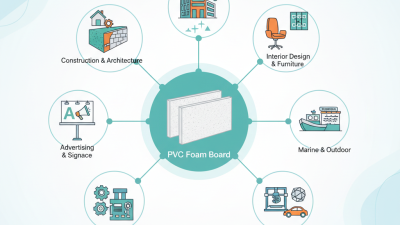
PVC foam board is a versatile material widely used in various applications. It is made from polyvinyl chloride (PVC) and has a closed-cell structure. This composition grants it lightweight properties combined with durability. The foam board is often used in signage, display structures, and even in architectural projects due to its ease of use.
One benefit of PVC foam board is its resistance to moisture and many chemicals. This quality extends its lifespan in outdoor and industrial settings. However, users should understand that excessive exposure to direct sunlight can cause some fading over time. Despite this, its non-toxic nature makes it a safer choice for indoor use, especially in environments like schools.
When considering your project, think about the thickness needed. The thickness of PVC foam boards can vary significantly. This variance influences not only the board's sturdiness but also its insulation properties. Therefore, selecting the right thickness is crucial, as it impacts both functionality and appearance.
2026 Best PVC Foam Board Uses and Benefits for Buyers
This chart displays the usage frequency of PVC foam boards across various applications in 2026, highlighting their key benefits in several sectors.
Key Benefits of Using PVC Foam Board in Various Applications
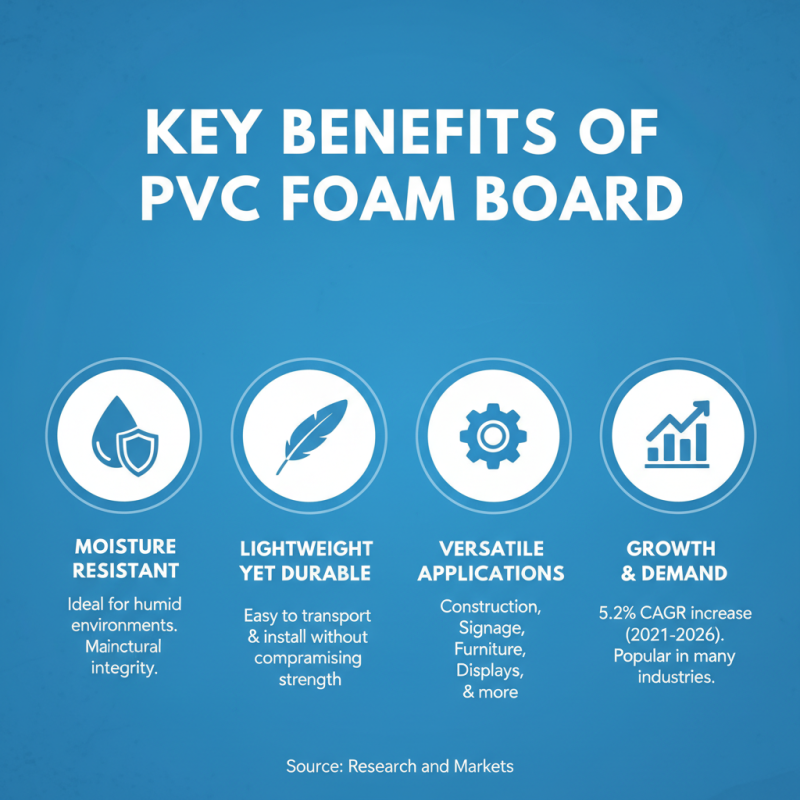
PVC foam boards have gained popularity across various industries due to their versatility and unique properties. According to a market analysis by *Research and Markets*, the PVC foam board industry is projected to grow at a CAGR of 5.2% from 2021 to 2026. This growth reflects the rising demand for lightweight materials that do not compromise on durability. PVC foam boards are resistant to moisture, which makes them ideal for applications in humid environments. This resistance helps in maintaining structural integrity over time, a crucial factor in construction and signage applications.
In terms of benefits, PVC foam boards offer excellent insulation properties. Their thermal efficiency helps reduce energy consumption in buildings. Moreover, these boards are easy to process and can be machined, sawed, or drilled without losing their structural quality. A recent study indicated that over 60% of manufacturers prefer PVC foam boards for their ease of use and lightweight nature. However, installers must acknowledge that proper handling is essential. Damage due to improper installation can lead to costly repairs, highlighting the need for skilled labor. The versatility of PVC foam boards continues to position them as a preferred choice across many sectors, from advertising to interior design.
Popular Applications of PVC Foam Board in Signage and Display
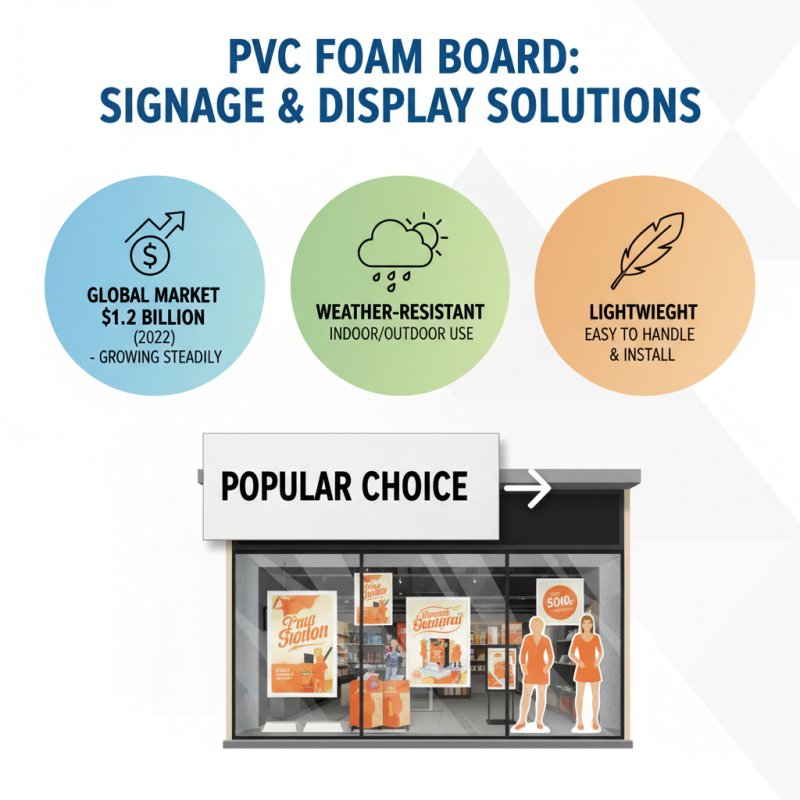
PVC foam board has become a popular choice in signage and display applications. Its lightweight nature makes it easy to handle and install. In 2022, the global PVC foam board market was valued at approximately $1.2 billion and is expected to grow steadily. These boards are weather-resistant, making them suitable for both indoor and outdoor use.
Displays are a major application for PVC foam board. They are widely used for point-of-sale signs, exhibitions, and trade shows. The material's smooth surface allows for high-quality printing and vibrant colors. According to a recent report, about 40% of PVC foam board is used in signage, indicating its importance in visual communication.
Tips: When selecting a PVC foam board, consider its thickness. A thicker board can provide more durability. Also, think about the printing method you will use. Not all boards are suitable for all techniques. Testing samples can prevent costly mistakes.
Another aspect to reflect on is the environmental impact. While PVC foam boards have many benefits, recycling options are limited. Sustainable alternatives are available, though they may come at a higher cost. Buyers should weigh long-term use against initial investment. This consideration can influence purchasing decisions significantly.
Comparative Analysis: PVC Foam Board vs. Other Materials
PVC foam boards have become increasingly popular in various industries. They are lightweight, durable, and affordable, but how do they stack up against other materials? A comparative analysis reveals significant differences in applications and benefits.
When comparing PVC foam boards to materials like plywood and acrylic, several key factors emerge.
PVC foam boards are about 50% lighter than plywood. This feature allows for easier handling and installation, especially in large projects. Unlike acrylic, PVC foam boards are less prone to shattering. According to a 2023 industry report, PVC foam boards typically have a lifespan of over 15 years in indoor applications, making them a reliable choice.
However, there are shortcomings to consider.
PVC foam boards can be less sturdy under heavy weight compared to plywood. This limitation affects their use in structural applications. Additionally, while they offer good moisture resistance, their performance in extreme temperatures may not match that of acrylic.
Users must weigh these factors carefully when selecting materials for specific projects. The choice between PVC foam boards and alternatives depends heavily on the intended use and required longevity.
Buying Guide: How to Choose the Right PVC Foam Board for Your Needs
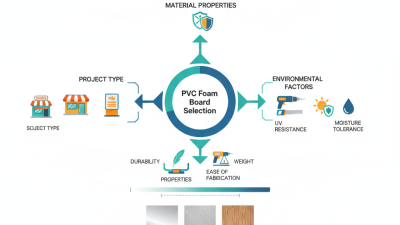
When selecting the right PVC foam board, understanding its diverse applications is essential. PVC foam boards are lightweight, durable, and have excellent resistance to moisture and chemicals. According to industry reports, the expanding popularity of PVC foam board in signage, interior decoration, and construction is due to its versatility and ease of use. These boards can be cut, shaped, and glued easily, making them highly adaptable for various projects.
Buyers should consider the thickness and density based on their specific needs. Thicker boards usually offer better durability for heavy-duty applications. For instance, a 19mm board can withstand significant wear and tear, suitable for outdoor signage. However, not all choices are perfect; lighter boards may not perform well in harsh conditions. It’s vital to evaluate the environmental implications, as some PVC products can pose recycling challenges.
A reliable PVC foam board should meet relevant industry standards, ensuring it is safe for use. Looking for certifications can help buyers make informed decisions. While many materials promise quality, a thorough understanding of PVC foam board is crucial. This knowledge empowers consumers to choose the best-suited product for their projects and helps avoid potential issues stemming from poor choices.
2026 Best PVC Foam Board Uses and Benefits for Buyers
| Use Case |
Description |
Benefits |
Best Application |
| Signage |
Wide range of applications for outdoor and indoor signs. |
Lightweight, water-resistant, and easy to print on. |
Retail stores, exhibitions, and events. |
| Displays |
Ideal for creating stands and promotional displays. |
Sturdy and can be easily fabricated into various shapes. |
Trade shows and retail displays. |
| Construction |
Used as a lightweight substitute for wood and metal. |
Moisture-resistant and does not require painting. |
Interior framing and wall coverings. |
| Model Making |
Perfect for architects and designers to create prototypes. |
Easy to cut, shape, and glue. |
Architectural models and product prototypes. |
| Hobby Projects |
Suitable for various craft and DIY projects. |
Versatile and easy to work with. |
Craft enthusiasts and school projects. |