Why Choose PVC Wall Panels for Your Next Project?
In the modern construction industry, PVC wall panels have gained significant traction. Industry expert John Smith, a renowned interior design consultant, emphasizes, "PVC wall panels are revolutionizing space solutions." The versatility and practicality of PVC wall panels make them an ideal choice for various projects.
These panels are lightweight, water-resistant, and easy to install. Their durability surpasses traditional materials, which often succumb to wear and tear. Additionally, the aesthetic appeal of PVC wall panels can transform ordinary spaces into visually striking environments. However, it is essential to consider the environmental impact of manufacturing, prompting reflections on sustainability within the industry.
Choosing PVC wall panels can enhance both functionality and style. As projects evolve, the reliance on innovative materials like these panels will only grow. Embracing such advancements can lead to a more efficient and appealing build, but it also raises questions about balancing cost with sustainability.
Benefits of PVC Wall Panels in Modern Construction Projects
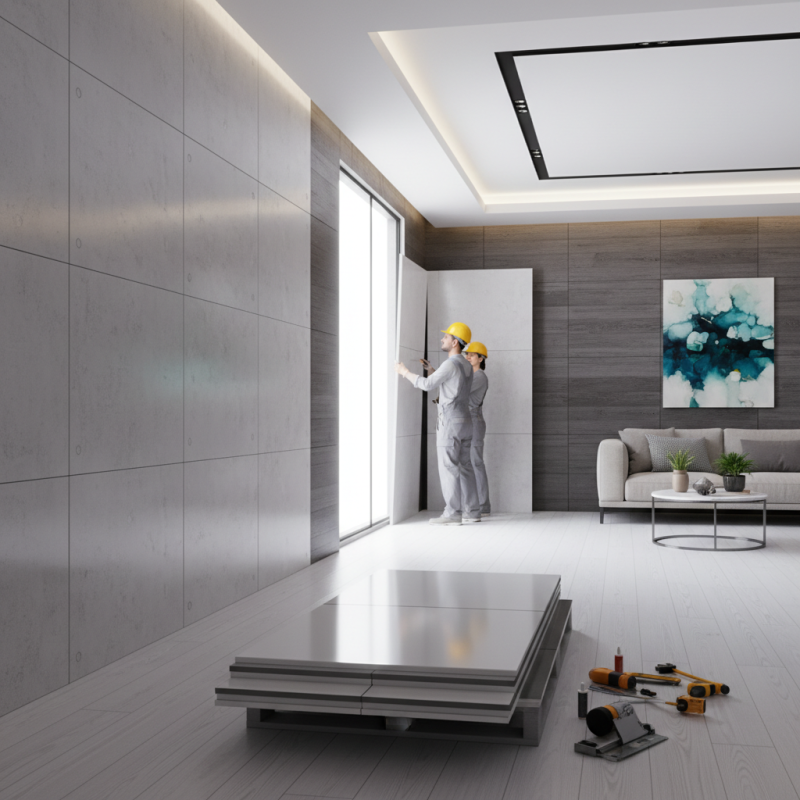
PVC wall panels are becoming increasingly popular in modern construction. Their benefits appeal to both builders and homeowners. These panels are lightweight and easy to install, saving time on labor costs. They can be cut to size with simple tools, allowing for custom designs without complex methods.
Durability is another significant advantage. PVC panels are water-resistant and do not suffer from decay or mold like wood. This property makes them ideal for areas prone to moisture, such as bathrooms and kitchens. However, it's essential to consider that improper installation can lead to issues with warping or gaps. Therefore, skilled installers are crucial for achieving the best results.
Additionally, the aesthetic options are vast. PVC panels come in various colors and finishes, mimicking materials like wood or stone. This versatility means they can fit into many design schemes. Yet, some might question their environmental impact. While they offer low maintenance, the production process raises concerns. These factors highlight the importance of informed choices in construction.
Cost-Effectiveness of PVC Wall Panels Compared to Traditional Materials
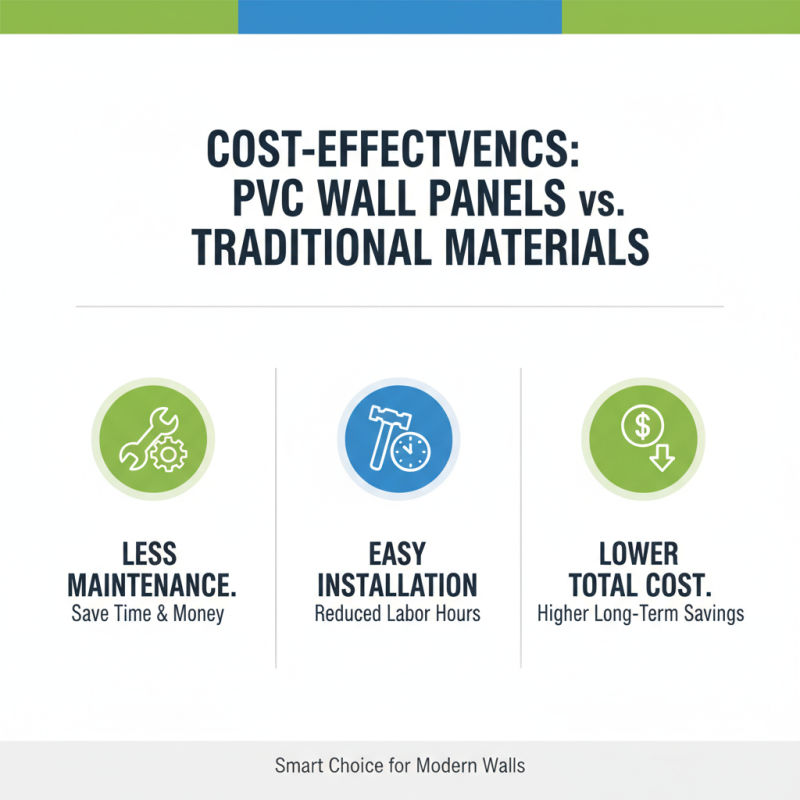
PVC wall panels offer a remarkable level of cost-effectiveness when compared to traditional materials like wood or drywall. They often require less maintenance, saving both time and money in the long run. Installation is straightforward, and you can often complete a project with fewer labor hours. This efficiency can significantly reduce overall costs.
In commercial projects, using PVC panels can enhance budget flexibility, allowing for investment in other essential areas. The durability of these panels also means you won't need to replace them frequently. However, there can be a perception issue; some may view PVC as less elegant than wood or stone. This bias might influence choices despite the practicality it offers.
While PVC is budget-friendly, it might lack the warmth of natural materials. Some users find it challenging to create a unique aesthetic with standard designs. Custom options can be costly, complicating the budget. Choosing PVC panels involves weighing initial savings against long-term style decisions.
Durability and Maintenance Advantages of PVC Wall Panels
PVC wall panels are increasingly popular due to their durability and low maintenance requirements. According to industry reports, these panels can last over 20 years, making them a reliable choice for various applications. Unlike traditional materials, PVC does not warp or rot, even in humid environments. This longevity minimizes the need for frequent replacements, ultimately saving costs.
Maintenance of PVC wall panels is straightforward. A simple wipe with a damp cloth is usually sufficient to keep them looking new. Industry studies indicate that maintenance costs for PVC are up to 30% lower than for wood or drywall options. This aspect is particularly beneficial in high-traffic areas, where other materials may deteriorate quickly.
While PVC panels offer many advantages, it’s crucial to consider installation quality. Poor installation can lead to issues like gaps and misalignment, undermining the panels' benefits. In some cases, product quality varies, which can affect overall performance. Ensuring skilled labor during installation can mitigate these concerns and maximize the advantages that PVC wall panels bring to your project.
Aesthetic Versatility of PVC Wall Panels for Interior Design
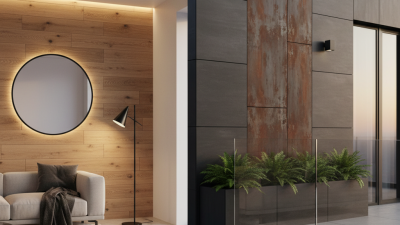
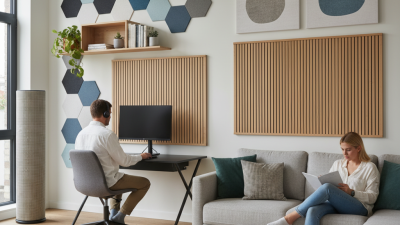
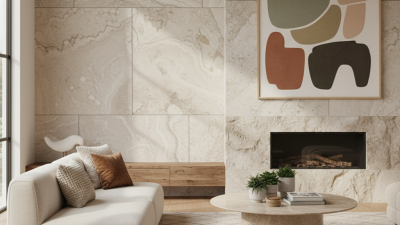
PVC wall panels have emerged as a popular choice in modern interior design due to their aesthetic versatility. These panels come in various finishes and textures, mimicking materials like wood and stone. Research from the Interior Design Association shows that approximately 70% of designers prefer materials that enhance visual appeal without compromising functionality. This statistic highlights the growing trend toward sustainable yet stylish options in interior spaces.
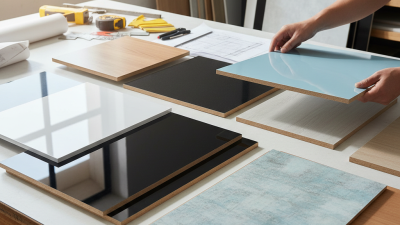
The ability to customize PVC panels is another significant advantage. With a range of colors and styles available, they can fit into any design scheme, from contemporary to traditional. A recent report from the Building Materials Institute indicates that interior designers expect the demand for customizable materials to increase by 25% over the next five years. This suggests a shift in consumer preferences towards flexibility and individuality in design choices.
However, not all installations are perfect. Some users report challenges with adhesion and long-term durability under certain conditions. This has prompted discussions about the standards in manufacturing and installation practices. Reflecting on these aspects enhances the commitment to choosing quality panels that stand the test of time. As the market evolves, staying informed about advancements in materials will lead to more informed decisions for future projects.
Why Choose PVC Wall Panels for Your Next Project? - Aesthetic Versatility of PVC Wall Panels for Interior Design
| Feature |
Description |
Benefits |
| Aesthetic Variety |
Available in various colors, textures, and finishes |
Allows for personalized design schemes |
| Durability |
Resistant to moisture, mold, and mildew |
Long-lasting performance with minimal maintenance |
| Easy Installation |
Lightweight and easy to cut |
Reduces labor costs and installation time |
| Low Maintenance |
Wipe clean with soap and water |
Saves time and effort in upkeep |
| Eco-Friendly Options |
Manufactured from recyclable materials |
Contributes to sustainable building practices |
Environmental Impact and Sustainability of Using PVC Wall Panels
PVC wall panels offer considerable benefits in terms of environmental impact and sustainability. Traditionally, creating building materials is resource-intensive, contributing to pollution and waste. However, PVC panels are designed to minimize these effects. The production process involves recycling and reducing energy consumption. This helps lower the carbon footprint associated with manufacturing.
Moreover, PVC wall panels are durable and long-lasting. This longevity means fewer replacements are needed over time. However, the challenge remains in the disposal of these materials. While PVC is recyclable, not all facilities process it properly. Buyers should seek options that support recycling programs. Using PVC responsibly can balance its environmental footprint.
Furthermore, the aesthetic versatility of PVC panels is noteworthy. They can mimic natural materials, providing a chic look without harming forests. Yet, it's crucial to reflect on the sourcing of raw materials. Ensuring that suppliers adhere to sustainable practices is vital. Ultimately, informed choices can promote a healthier planet while enhancing design quality in projects.